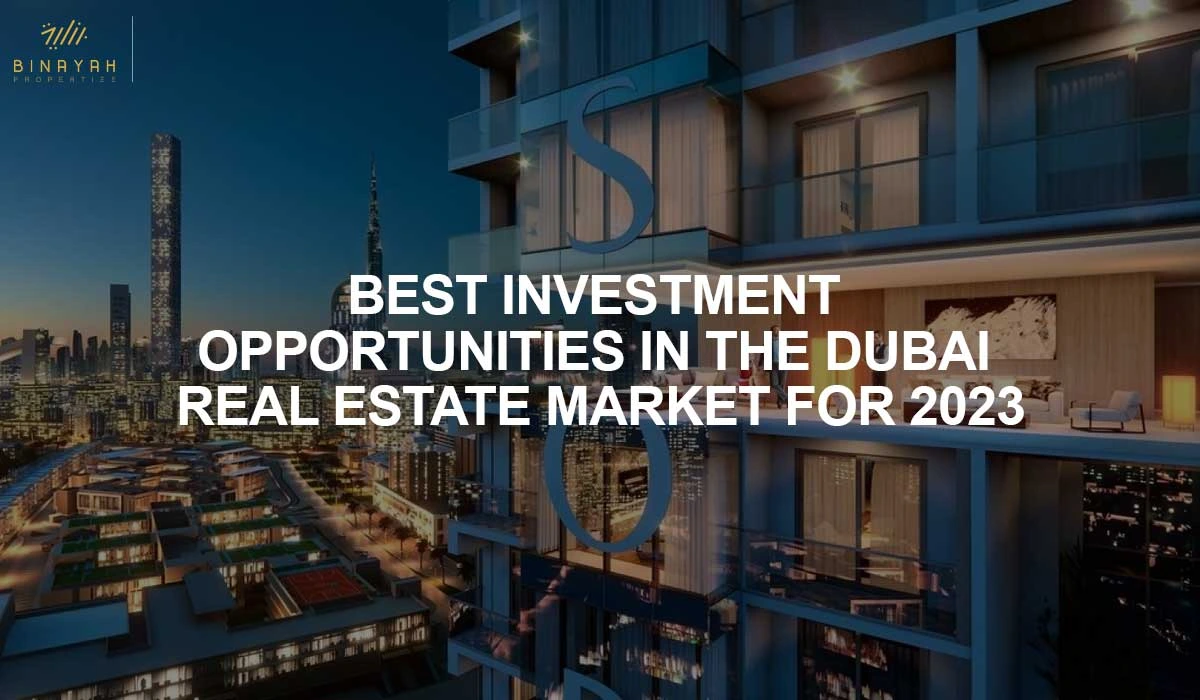
Dubai Property Investment Opportunities: A Comprehensive Guide for Astute Investors
Dubai, a shimmering oasis in the heart of the Arabian Desert, has rapidly transformed itself into a global powerhouse, a beacon of ambition, innovation, and luxury. Beyond its iconic skyscrapers, opulent malls, and vibrant tourism, the Emirate has cemented its reputation as a leading destination for real estate investment. For discerning investors worldwide, Dubai’s property market offers a compelling blend of high returns, stability, and future growth potential, making it an irresistible proposition.
This comprehensive guide delves into the myriad of opportunities awaiting investors in Dubai’s dynamic property sector, exploring the underlying factors driving its appeal, the diverse market segments, strategic investment approaches, and the robust regulatory framework that safeguards investor interests.
I. The Unparalleled Appeal: Why Invest in Dubai Property?
Dubai’s allure as a property investment hub is multifaceted, stemming from a unique convergence of economic, social, and governmental factors:
-
Strategic Global Hub: Situated at the crossroads of Europe, Asia, and Africa, Dubai boasts an unparalleled geographical advantage. Its world-class airports (DXB and DWC) and port facilities make it a logistical and business gateway, attracting multinational corporations and facilitating global trade. This strategic positioning inherently drives demand for commercial and residential properties.
-
Robust and Diversified Economy: While historically known for oil, Dubai has successfully diversified its economy, with sectors like tourism, trade, logistics, finance, and technology now forming its backbone. This diversification creates a resilient economic environment less susceptible to commodity price fluctuations, fostering sustained growth and investor confidence. The government’s continuous investment in infrastructure and future-oriented projects (e.g., Dubai Future Foundation, D33 Economic Agenda) ensures long-term economic vitality.
-
Tax-Free Environment: One of Dubai’s most significant draws is its tax-friendly regime. Investors benefit from no income tax, no capital gains tax on property sales, and no annual property tax. This allows investors to maximize their returns, making it particularly attractive for international wealth management.
-
World-Class Infrastructure and Connectivity: Dubai’s commitment to cutting-edge infrastructure is evident everywhere. From state-of-the-art road networks, an efficient metro system, and advanced public utilities to smart city initiatives, the city offers unparalleled connectivity and a high quality of urban living. This infrastructure supports both business growth and residential desirability.
-
Safety, Security, and Quality of Life: Dubai consistently ranks among the safest cities globally, offering a high quality of life, excellent healthcare, world-class education institutions, and a cosmopolitan lifestyle. This attracts a diverse expatriate population – professionals, entrepreneurs, and families – who seek long-term residency, thereby creating consistent demand for rental and owned properties.
-
Visionary Leadership and Pro-Investor Policies: The UAE government is renowned for its progressive and forward-thinking policies. Initiatives like the Golden Visa program (offering long-term residency for property investors), 100% foreign ownership in many business sectors, and clear property ownership laws demonstrate a strong commitment to attracting and protecting international investors. The Real Estate Regulatory Agency (RERA) and the Dubai Land Department (DLD) ensure transparency, enforce regulations, and safeguard investor rights.
II. The Dubai Property Market: A Deep Dive
Dubai’s property market is dynamic, characterized by innovation, luxury, and a strong rebound post-pandemic. Understanding its various segments is crucial for strategic investment.
A. Market Dynamics and Trends:
Following a period of correction, the Dubai property market has experienced a significant boom, particularly since late 2020. This surge is driven by:
- Increased Demand: Influx of high-net-worth individuals, remote workers, and businesses seeking stability and quality of life.
- Government Initiatives: Golden Visa, economic stimulus packages.
- Strong Economic Performance: Resilient tourism and non-oil sectors.
- Expo 2020 Legacy: The event significantly boosted global interest and tourism, with its site (now Expo City Dubai) transforming into a sustainable urban center.
Both rental yields and capital appreciation have shown robust growth, making Dubai an attractive market for both short-term gains and long-term wealth building.
B. Types of Properties and Investment Niches:
-
Residential Properties: This is the largest and most active segment.
- Apartments: Ranging from studio units to sprawling penthouses, apartments cater to a wide demographic, from single professionals to small families. Areas like Dubai Marina, Downtown Dubai, Business Bay, and Jumeirah Village Circle (JVC) are popular.
- Villas & Townhouses: Offering more space, privacy, and often private amenities, villas are highly sought after by families. Established communities like Arabian Ranches, Emirates Hills, Dubai Hills Estate, and newer developments in Damac Hills and Emaar South provide diverse options.
-
Commercial Properties:
- Office Spaces: Driven by business growth and foreign direct investment, office spaces in central business districts like DIFC, Business Bay, and Sheikh Zayed Road offer strong rental income potential.
- Retail Units: With Dubai being a global shopping destination, retail spaces in malls and high-street locations can yield significant returns, especially with the booming tourism sector.
-
Hospitality Properties:
- Serviced Apartments/Hotel Rooms: Investors can purchase units in hotel developments, often managed by international hotel chains, offering passive income and sometimes usage benefits. This sector is directly tied to Dubai’s thriving tourism industry.
III. Key Investment Hotspots and Emerging Areas
Understanding the geographical nuances of Dubai’s property market is key to optimizing returns.
-
Established Luxury & High Capital Appreciation:
- Downtown Dubai: Home to Burj Khalifa, Dubai Mall, and Dubai Opera, this area commands premium prices and offers high capital appreciation, attracting affluent buyers.
- Palm Jumeirah: The iconic man-made island is synonymous with luxury villas and high-end apartments, offering stunning waterfront views and exclusive living.
- Dubai Marina: A vibrant waterfront community with high-rise apartments, bustling promenades, and diverse dining options, popular with expats and tourists.
-
High Rental Yields & Affordability:
- Jumeirah Village Circle (JVC): Known for its affordability, community feel, and diverse range of apartments and townhouses, JVC consistently offers attractive rental yields.
- Business Bay: A bustling commercial and residential hub adjacent to Downtown, offering competitive prices and strong rental demand from professionals.
- Dubai Silicon Oasis (DSO): A free zone tech park that combines residential and commercial properties, appealing to a tech-savvy workforce.
- Al Furjan: A family-friendly community offering villas and townhouses, with excellent connectivity and growing amenities.
-
Family-Friendly & Community Living:
- Arabian Ranches, Emirates Hills, The Springs/Meadows: Mature, green communities offering spacious villas and townhouses, popular with families seeking a tranquil lifestyle.
- Dubai Hills Estate: A master-planned community featuring golf course villas, townhouses, and apartments, known for its green spaces and amenities.
-
Future Growth & Strategic Developments:
- Dubai Creek Harbour: Envisioned as a new downtown, this waterfront development will feature the Dubai Creek Tower and offer luxury apartments with stunning views, promising significant future appreciation.
- Expo City Dubai (formerly Expo 2020 site): Transforming into a sustainable, tech-driven urban community, it will attract businesses and residents, making it a prime area for long-term investment.
- Emaar South: Located near Al Maktoum International Airport (DWC) and Expo City, this area offers affordable villas and townhouses with immense growth potential as Dubai expands southward.
IV. Investment Strategies and Considerations
Astute investors employ various strategies to capitalize on Dubai’s property market.
-
Long-Term Buy-and-Hold:
- Strategy: Purchase a property and hold it for several years, benefiting from both capital appreciation and consistent rental income.
- Ideal for: Investors seeking stable, passive income and significant capital growth over time. Residential apartments and villas in established communities are excellent for this.
-
Short-Term Rentals (Holiday Homes):
- Strategy: Utilize platforms like Airbnb to rent out properties on a short-term basis, capitalizing on Dubai’s booming tourism.
- Ideal for: Properties in prime tourist locations (e.g., Dubai Marina, Downtown, Palm Jumeirah) can yield higher returns than traditional long-term rentals, though they require more active management and adherence to specific regulations (e.g., DTCM permit).
-
Off-Plan Purchases:
- Strategy: Invest in properties during their construction phase, often with attractive payment plans (e.g., 50/50 or 60/40 payment during construction and on handover).
- Advantages: Lower entry cost, potential for significant capital appreciation by completion (especially from reputable developers), ability to secure prime units.
- Considerations: Research developer reputation thoroughly, understand payment schedules, and be aware of potential construction delays or market shifts before handover.
-
REITs and Property Funds:
- Strategy: For those preferring indirect investment or diversification, investing in Dubai-focused Real Estate Investment Trusts (REITs) or property funds allows exposure to the market without direct property management.
- Advantages: Diversification, liquidity, professional management.
Key Considerations for Investors:
- Due Diligence: Always conduct thorough research on the developer, location, market trends, and legal aspects.
- Financing: Local banks offer competitive mortgage options for residents and non-residents, typically requiring a down payment ranging from 20% to 50%.
- Legal Advice: Engage a reputable real estate agent and legal counsel to navigate the purchase process, ensuring all documentation is in order and rights are protected.
- Market Research: Stay informed about current rental yields, property values, and future development plans in your chosen area.
V. Legal Framework and Investor Protection
Dubai’s regulatory environment for real estate is robust and designed to protect investor interests.
- Dubai Land Department (DLD): The primary government entity overseeing all property transactions. It ensures transparency, registers property ownership, and maintains a comprehensive database.
- Real Estate Regulatory Agency (RERA): A division of DLD, RERA regulates the real estate market, issues licenses to brokers, developers, and property managers, and implements laws to ensure fair practices.
- Escrow Accounts: For off-plan purchases, RERA mandates that developers deposit investor funds into escrow accounts, which are released only as construction milestones are met. This safeguards investor money against project delays or cancellations.
- Freehold Ownership: Foreigners can enjoy full freehold ownership of properties in designated areas, providing complete control over their assets.
- Dispute Resolution: DLD provides mechanisms for dispute resolution, offering a transparent and efficient process for addressing grievances.
- Golden Visa Program: Property investors meeting specific investment thresholds (e.g., AED 750,000 for a 2-year visa, AED 2 million for a 10-year visa) can obtain long-term residency in the UAE, further incentivizing investment.
VI. Challenges and Risks
While Dubai offers compelling opportunities, investors should also be aware of potential challenges:
- Market Volatility: Like any global market, Dubai can experience periods of price fluctuation. While it has demonstrated resilience, global economic downturns can impact demand.
- Over-supply Concerns: At times, new project launches can lead to concerns about over-supply, potentially impacting rental yields and capital appreciation in certain segments. However, the government and developers often adjust plans to maintain market balance.
- Maintenance Costs: Property owners are responsible for service charges (for common area maintenance) and utility bills, which need to be factored into investment calculations.
- Currency Fluctuations: For international investors, exchange rate fluctuations between their home currency and the UAE Dirham (pegged to the US Dollar) can affect returns.
VII. Conclusion
Dubai’s property market stands as a testament to visionary leadership, strategic planning, and unwavering ambition. It offers a unique blend of high returns, tax advantages, robust infrastructure, and a safe, cosmopolitan lifestyle that continues to attract global investors. Whether seeking long-term capital appreciation, strong rental yields, or a strategic foothold in a thriving global city, Dubai presents a compelling proposition.
By conducting thorough due diligence, understanding market dynamics, and leveraging the city’s pro-investor environment, individuals and institutions can unlock significant wealth creation opportunities within this dynamic and ever-evolving Emirate. Dubai is not just building skyscrapers; it’s building futures, and its real estate market invites astute investors to be a part of that extraordinary journey.