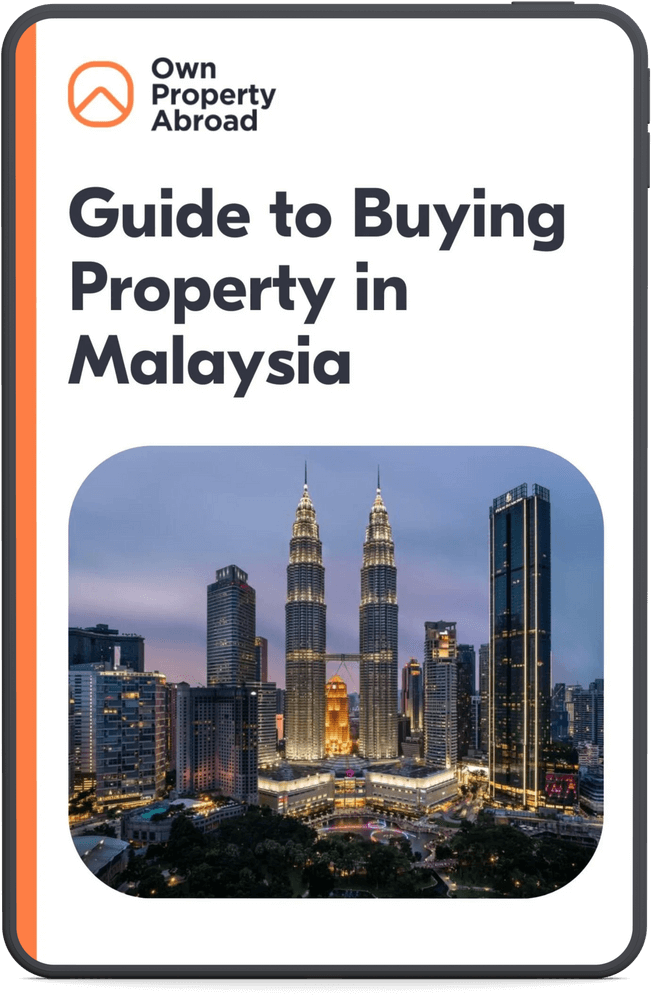
A Comprehensive Guide to Buying Property in Malaysia for Foreigners
Malaysia, a vibrant tapestry of cultures, stunning natural beauty, and modern infrastructure, has long captivated the hearts of expatriates, retirees, and investors worldwide. Its strategic location, relatively low cost of living, excellent healthcare, and diverse culinary scene make it an increasingly attractive destination for those looking to purchase property abroad. However, navigating the Malaysian property market as a foreigner requires a thorough understanding of its unique legal framework, restrictions, and processes.
This comprehensive guide aims to demystify the journey of buying a house in Malaysia for foreigners, covering everything from the allure of the country to the intricate legalities, financing options, and practical tips for a successful acquisition.
I. Why Malaysia? The Allure for Foreign Buyers
Before delving into the technicalities, it’s essential to understand the compelling reasons why Malaysia stands out as a prime destination for foreign property ownership:
- Affordable Cost of Living: Compared to many Western countries and even some other Asian hubs, Malaysia offers a significantly lower cost of living without compromising on quality. This extends to housing, food, transportation, and services.
- Strategic Location: Nestled in the heart of Southeast Asia, Malaysia provides easy access to major regional hubs like Singapore, Thailand, Indonesia, and Vietnam. It also boasts excellent connectivity to the rest of the world.
- Multicultural Environment: Malaysia is a melting pot of Malay, Chinese, Indian, and indigenous cultures. This diversity is reflected in its languages, festivals, and most notably, its world-renowned cuisine. Foreigners often find it easy to integrate and feel at home.
- Modern Infrastructure: The country boasts well-developed infrastructure, including modern highways, efficient public transportation (especially in major cities like Kuala Lumpur), reliable internet connectivity, and state-of-the-art medical facilities.
- Stable Economy and Government: Despite occasional political shifts, Malaysia generally maintains a stable economic environment and a pro-business government stance, which bodes well for property investments.
- Tropical Climate: With warm weather year-round, Malaysia is ideal for those seeking a tropical lifestyle, complete with lush rainforests, pristine beaches, and vibrant cityscapes.
- English is Widely Spoken: As a legacy of British colonialism, English is widely understood and spoken, particularly in urban areas and business settings, easing communication for foreigners.
- Malaysia My Second Home (MM2H) Programme: While undergoing significant changes, the MM2H programme has historically been a major draw, offering long-term residency visas and various incentives for foreigners.
II. The Legal Framework: Understanding Restrictions and Regulations
Purchasing property in Malaysia as a foreigner is not as straightforward as for a local citizen, primarily due to various regulations designed to protect local interests and control foreign ownership.
A. Federal vs. State Authority
It’s crucial to understand that land matters in Malaysia fall under the jurisdiction of individual state governments, not the federal government. This means that while there’s a general federal guideline, specific regulations, minimum purchase prices, and approval processes can vary significantly from state to state (e.g., Selangor, Johor, Penang, Kuala Lumpur). Always consult with local authorities or a legal professional specific to the state where you intend to buy.
B. Minimum Purchase Price
The most significant restriction for foreign buyers is the minimum purchase price. This threshold is set by each state and generally prevents foreigners from acquiring lower-priced properties, which are reserved for locals.
- Federal Minimum: The federal government stipulates a minimum purchase price of RM1 million for foreign buyers for residential properties.
- State Variations: However, individual states often impose higher minimums or additional conditions. For example:
- Selangor: Minimum of RM2 million for landed properties in certain zones, and RM1 million for strata properties.
- Penang: RM1 million for strata properties and RM2 million for landed properties on the island, with different thresholds for the mainland.
- Johor: RM1 million for landed and strata titles, but specific zones like Medini (Iskandar Malaysia) might have lower thresholds.
- Kuala Lumpur: Generally RM1 million.
It’s imperative to verify the current minimum price with a real estate agent or lawyer for the specific property and state you are interested in.
C. Types of Properties Foreigners CAN Buy
Generally, foreigners are permitted to purchase:
- Strata Properties: This includes condominiums, apartments, serviced residences, and townhouses with strata titles. These are the most common and easiest types of properties for foreigners to acquire.
- Landed Properties: Detached houses, semi-detached houses, bungalows, and terrace houses are also permissible, provided they meet the minimum price threshold and are not restricted categories.
- Commercial Properties: Shop lots, office units, and industrial properties are generally open to foreign ownership, subject to specific commercial regulations.
- Industrial Land: Also generally permissible.
D. Types of Properties Foreigners CANNOT Buy
Foreigners are typically restricted from purchasing:
- Malay Reserve Land: Land designated for ethnic Malays.
- Bumiputera-reserved Properties: Properties in developments designated for the Bumiputera community.
- Low-Cost and Medium-Cost Properties: These are reserved for lower and middle-income Malaysian citizens.
- Agricultural Land: Generally restricted, though exceptions might exist for specific large-scale agricultural projects approved by the government.
- Properties Built on Customary Land: Land governed by traditional laws.
- Properties Allocated for Indigenous People: Similar to Malay Reserve Land.
- Properties Under RM1 Million (or state-specific minimum): As discussed above.
E. State Authority Consent
A critical step in any foreign property purchase is obtaining "State Authority Consent" (Kebenaran Pihak Berkuasa Negeri). This approval from the respective state land office is mandatory and can be a time-consuming process, often taking several months. The consent usually comes with conditions, which might include paying a levy or a premium, particularly in states like Penang or Selangor.
III. The Malaysia My Second Home (MM2H) Programme
The MM2H programme has historically been a cornerstone for foreign property buyers in Malaysia. It’s a long-term social visit pass that allows foreigners to live in Malaysia for extended periods (typically 10 years, renewable).
A. Benefits of MM2H (Pre-2021 Changes)
Historically, MM2H participants enjoyed several benefits relevant to property ownership:
- Long-Term Visa: A multi-entry visa, allowing participants to live in Malaysia without needing to renew short-term visas.
- Property Purchase Incentives: Some states offered lower minimum purchase prices for MM2H participants, or exemptions from certain levies.
- Other Benefits: Importation of personal car, domestic helper, tax exemptions on foreign income, etc.
B. Recent Changes and Current Status
In August 2021, the MM2H programme was suspended and then relaunched with significantly stricter criteria, including:
- Increased Financial Requirements: Much higher offshore income, liquid assets, and fixed deposit requirements.
- Age Limit: Minimum age of 35.
- Mandatory Stay: A minimum stay duration in Malaysia per year.
These changes have significantly impacted the attractiveness and accessibility of the MM2H programme. As of late 2023, there’s ongoing discussion and potential for further revisions. It is crucial for any potential buyer to check the latest MM2H requirements directly with the Malaysian Immigration Department or a reputable MM2H agent.
Note: Foreigners can still buy property in Malaysia without participating in the MM2H programme, but they will be subject to the standard federal and state restrictions and will not receive the specific incentives associated with the programme.
IV. The Property Buying Process for Foreigners
The process can be broadly divided into these steps:
-
Research and Due Diligence:
- Identify Location: Kuala Lumpur, Penang, Johor Bahru (especially Iskandar Malaysia), Melaka, and Sabah are popular choices. Consider lifestyle, investment potential, and proximity to amenities.
- Property Type: Decide between high-rise (condo/apartment) or landed, new development or sub-sale.
- Budget: Factor in not just the purchase price but also all associated costs (see Section VI).
- Legal Advice: Engage a reputable Malaysian property lawyer from the outset. This is non-negotiable.
-
Engage a Real Estate Agent:
- A good agent specializing in foreign buyers can provide valuable insights, help identify suitable properties, and guide you through viewings. Ensure they are registered with the Board of Valuers, Appraisers, Estate Agents and Property Managers (BOVAEA).
-
Letter of Offer / Earnest Deposit:
- Once you’ve chosen a property, you’ll sign a Letter of Offer (or Offer to Purchase) and pay an earnest deposit (typically 2-3% of the purchase price). This reserves the property for a short period (usually 14-21 days) while the Sale and Purchase Agreement (SPA) is drafted.
-
Sale and Purchase Agreement (SPA):
- Your lawyer will draft or review the SPA, a legally binding document outlining the terms and conditions of the sale. This includes the purchase price, payment schedule, property details, and responsibilities of both buyer and seller.
- You typically pay the balance of the initial 10% deposit (minus the earnest deposit) upon signing the SPA.
-
Application for State Authority Consent:
- This is a critical step for foreign buyers. Your lawyer will submit the application to the relevant state land office. This process can take anywhere from 3 to 6 months, or even longer.
- The property transfer cannot be registered until this consent is granted.
-
Financing (if applicable):
- If you require a loan, you should apply for financing concurrently. (See Section V).
-
Payment of Balance Purchase Price:
- Once State Authority Consent is granted, and usually within 3 months of the SPA signing (or extended periods with penalty interest), the remaining balance of the purchase price (90%) must be paid.
-
Stamping and Registration:
- The SPA and other relevant documents will be stamped at the Inland Revenue Board. Stamp duty is a significant cost.
- Finally, the transfer of ownership (Memorandum of Transfer) is registered at the Land Office, officially making you the legal owner.
-
Vacant Possession:
- Upon full payment and registration, you will receive vacant possession of the property, along with keys and relevant documents.
V. Financing Options for Foreign Buyers
Securing a mortgage in Malaysia as a foreigner is possible but can be challenging.
-
Local Banks:
- Most major Malaysian banks (e.g., Maybank, CIMB, Public Bank, Hong Leong Bank) offer home loans to foreigners.
- Loan-to-Value (LTV) Ratio: Foreigners typically get a lower LTV ratio, often around 60-70% (compared to 80-90% for locals). This means you’ll need a larger down payment.
- Requirements: You’ll need to provide extensive documentation, including proof of income (from your home country or Malaysia), bank statements, credit reports, passport copies, visa details, and the SPA.
- Interest Rates: Interest rates are competitive but can fluctuate.
- MM2H Advantage: MM2H participants might sometimes qualify for slightly better terms or higher LTV ratios from certain banks.
-
International Banks:
- Some international banks with a presence in Malaysia might offer options, especially if you have an existing relationship with them in your home country.
Key Considerations for Financing:
- Currency Fluctuation: Loan repayments will be in Malaysian Ringgit, so be mindful of exchange rate risks if your income is in a foreign currency.
- Credit History: Malaysian banks will assess your creditworthiness. A strong credit history in your home country is beneficial.
- Engage a Mortgage Broker: A specialized mortgage broker can help you navigate the various bank offerings and requirements.
VI. Associated Costs and Fees
Beyond the purchase price, several other costs are involved in buying property in Malaysia:
-
Stamp Duty:
- On Sale and Purchase Agreement (SPA): This is calculated on the purchase price:
- First RM100,000: 1%
- Next RM400,000 (RM100,001 to RM500,000): 2%
- Next RM500,000 (RM500,001 to RM1,000,000): 3%
- Above RM1,000,000: 4%
- On Loan Agreement: Typically 0.5% of the loan amount.
- On Sale and Purchase Agreement (SPA): This is calculated on the purchase price:
-
Legal Fees:
- For drafting/reviewing the SPA and other legal documentation. These are tiered based on the property value, similar to stamp duty, typically ranging from 0.5% to 1% of the property value.
-
Real Estate Agent Fees:
- Typically 2-3% of the purchase price (negotiable), paid by the seller, but sometimes a small fee or booking fee might be requested from the buyer.
-
State Authority Consent Fees:
- Some states impose a levy or premium for foreign property acquisition, which can range from 1% to 5% of the purchase price or a fixed fee. This varies significantly by state.
-
Valuation Fees:
- Required if you’re taking a loan, to assess the property’s market value. Typically around 0.25% of the property value.
-
Disbursement Fees:
- Miscellaneous costs incurred by your lawyer (e.g., stamp duty on transfer forms, land search fees, registration fees, printing costs).
-
Real Property Gains Tax (RPGT):
- This is a capital gains tax on profits made from selling property. For foreigners, the RPGT rate is generally higher:
- Within 3 years of acquisition: 30%
- 4th year: 20%
- 5th year: 15%
- 6th year onwards: 10%
- It’s important to factor this into your long-term investment strategy.
- This is a capital gains tax on profits made from selling property. For foreigners, the RPGT rate is generally higher:
-
Annual Property Taxes:
- Quit Rent (Cukai Tanah): A small annual tax levied by the state land office.
- Assessment Rates (Cukai Pintu): A local council tax based on the estimated annual rental value of the property, paid twice a year.
- Maintenance Fees: For strata properties, these are monthly fees for common area upkeep, security, and facilities.
VII. Key Considerations and Challenges
- Regulatory Changes: As seen with MM2H, government policies and property regulations can change. Stay informed and work with professionals who monitor these changes.
- Currency Fluctuations: The Malaysian Ringgit’s value against your home currency can impact your purchasing power and the repatriated value of your investment.
- Language Barrier: While English is widely spoken, some administrative processes or local dealings might involve Malay. Having a trusted local contact or translator can be beneficial.
- Property Management: If you don’t intend to reside in the property full-time, consider engaging a reliable property management company for rentals, maintenance, and security.
- Exit Strategy: Think about your long-term plans. The resale market for properties above RM1 million can be smaller, potentially affecting liquidity.
VIII. Benefits of Property Ownership in Malaysia
Despite the complexities, owning property in Malaysia offers significant advantages:
- Potential for Capital Appreciation: Property values in strategic locations, particularly in major cities, have shown steady growth over the long term.
- Rental Yields: The robust expatriate community and growing local population can provide good rental income opportunities.
- Lifestyle Investment: Owning a home provides a base to enjoy Malaysia’s rich culture, food, and natural beauty, whether as a permanent residence or a holiday home.
- Diversification: Adding Malaysian property to your investment portfolio can offer geographical diversification.
IX. Tips for Foreign Buyers
- Start with Thorough Research: Understand the specific state regulations where you plan to buy.
- Engage Reputable Professionals: A trustworthy lawyer and real estate agent are your most valuable assets. Choose those with experience in foreign transactions.
- Understand All Costs: Don’t just budget for the purchase price. Account for stamp duty, legal fees, consent fees, and ongoing annual costs.
- Visit and Inspect: If possible, visit the property and the surrounding area multiple times to get a feel for the neighborhood, amenities, and potential issues.
- Consider MM2H: If you meet the revised criteria, the MM2H programme still offers significant long-term residency benefits.
- Be Patient: The process, especially obtaining State Authority Consent, can take time.
- Think Long-Term: Property investment is typically a long-term game. Be prepared for market fluctuations.
- Understand the Local Market: Different areas have different dynamics. What works in Kuala Lumpur might not work in Penang or Johor.
X. Conclusion
Buying a house in Malaysia as a foreigner is an achievable and potentially rewarding endeavor, offering a blend of lifestyle benefits and investment opportunities. While the process is undeniably more complex than for local citizens, requiring careful navigation of specific legal frameworks, minimum price restrictions, and state authority consents, these challenges are surmountable with the right knowledge and professional guidance.
By thoroughly researching, engaging competent legal and real estate professionals, and understanding all associated costs and regulations, foreign buyers can successfully acquire their dream home or investment property in this enchanting Southeast Asian nation, securing a piece of its vibrant future. Malaysia truly offers a unique proposition for those seeking a slice of paradise with a sound investment.