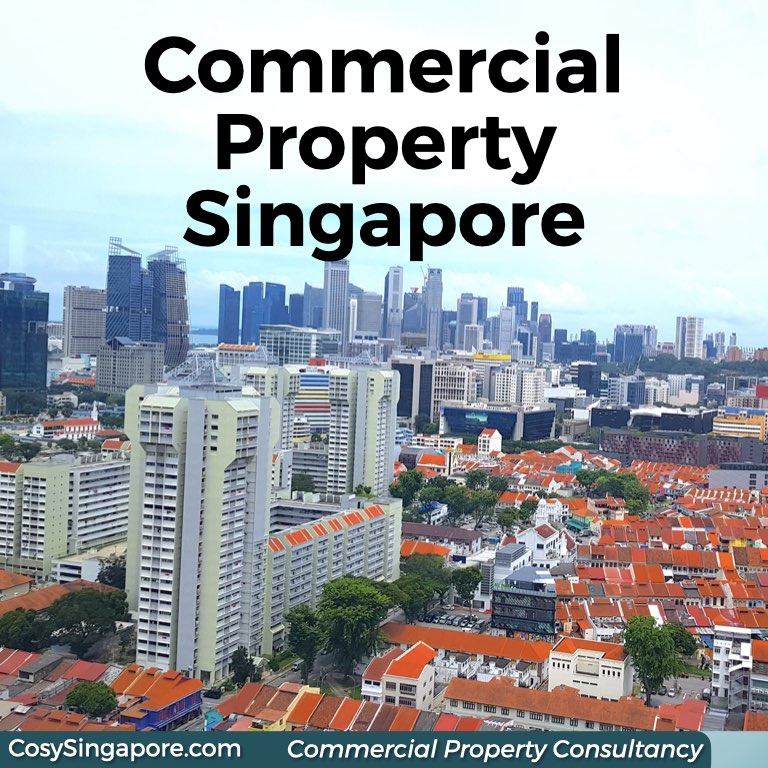
Singapore Commercial Property Investment: A Gateway to Stability and Growth in Asia
Singapore, often dubbed the "Little Red Dot," punches far above its weight on the global stage, particularly in finance, technology, and trade. For discerning investors seeking stability, transparency, and robust growth potential, the city-state’s commercial property market stands out as a beacon in the dynamic Asian landscape. This comprehensive article delves into the multifaceted aspects of investing in Singaporean commercial real estate, exploring its underlying strengths, key sectors, market dynamics, investment strategies, and future outlook.
The Unwavering Appeal of Singapore: Why Invest Here?
At the heart of Singapore’s attractiveness as a commercial property investment destination lies a unique confluence of factors that mitigate risk and amplify returns:
-
Political Stability and Transparent Governance: Singapore boasts one of the most stable political environments globally, underpinned by a strong rule of law, minimal corruption, and a highly efficient bureaucracy. This predictability is invaluable for long-term investments, assuring investors that their assets are secure and policies are consistent.
-
Robust Economic Fundamentals: Despite its small size, Singapore’s economy is a powerhouse, driven by advanced manufacturing, financial services, biotechnology, and a burgeoning digital economy. Its strategic location at the crossroads of major trade routes provides unparalleled access to the vast ASEAN market and the wider Asia-Pacific region. Consistent GDP growth, low unemployment, and a strong currency (SGD) further bolster investor confidence.
-
Pro-Business Environment: Consistently ranked among the easiest places to do business, Singapore offers a competitive tax regime, liberal foreign ownership policies, and strong intellectual property protection. This attracts a continuous flow of multinational corporations (MNCs), startups, and talent, driving demand for commercial spaces.
-
Strategic Connectivity: Changi Airport is a major global aviation hub, and the Port of Singapore is one of the world’s busiest container ports. Excellent digital infrastructure further enhances its role as a regional data and connectivity hub. This superior connectivity facilitates trade, tourism, and business operations, directly impacting commercial property demand.
-
Master Planning and Urban Development: The Urban Redevelopment Authority (URA) meticulously plans Singapore’s land use, ensuring sustainable development, high-quality infrastructure, and a balanced ecosystem of live, work, and play spaces. This foresight prevents oversupply in key sectors and enhances the long-term value of properties.
-
Skilled Workforce and Talent Hub: Singapore invests heavily in education and talent development, creating a highly skilled, multilingual workforce. Its open immigration policies also attract global talent, making it a preferred regional headquarters for many international firms.
Key Commercial Property Sectors in Singapore
Singapore’s commercial property market is diverse, offering opportunities across various sectors, each with its own demand drivers and risk-reward profiles:
1. Office Sector
The office sector remains a cornerstone of Singapore’s commercial property market. Demand is primarily driven by:
- Multinational Corporations (MNCs): Singapore’s status as a regional hub for finance, technology, and professional services ensures a steady demand for Grade A office spaces in the Central Business District (CBD) and decentralized business parks.
- Tech and Digital Economy: The rapid expansion of tech giants and startups fuels demand for flexible and modern office environments.
- Flight to Quality: Tenants are increasingly seeking prime, Grade A office spaces with strong ESG (Environmental, Social, Governance) credentials, state-of-the-art facilities, and excellent connectivity. This trend has seen older, less efficient buildings face higher vacancy rates or pressure to upgrade.
- Hybrid Work Models: While hybrid work has impacted space utilization, Singapore’s compact nature and emphasis on collaboration mean that physical office spaces remain crucial for many businesses. Landlords are adapting by offering flexible leases and amenity-rich environments.
- Decentralization: Government efforts to decentralize commercial activities to regional centers like Jurong East, Paya Lebar, and Woodlands are creating new growth nodes and diversifying investment opportunities outside the traditional CBD.
2. Retail Sector
The retail landscape in Singapore is dynamic, influenced by e-commerce penetration and evolving consumer preferences.
- Prime Retail Malls: High-street retail and prime shopping malls (e.g., Orchard Road, Marina Bay Sands) continue to attract luxury brands and high foot traffic, benefiting from both local spending and a recovering tourism sector.
- Suburban Malls: These cater to daily necessities and community needs, often anchored by supermarkets and F&B outlets. They tend to be more resilient to economic downturns.
- Experiential Retail: Retailers are increasingly focusing on creating unique in-store experiences, blending F&B, entertainment, and lifestyle offerings to draw customers away from online shopping.
- E-commerce Integration: Successful retailers are adopting omni-channel strategies, integrating their physical and online presence.
- Tourism Recovery: As tourism rebounds post-pandemic, the retail sector, particularly in tourist-heavy areas, is expected to see significant uplift.
3. Industrial Sector
Singapore’s industrial sector is highly sophisticated, encompassing logistics, warehousing, business parks, and high-tech manufacturing facilities.
- Logistics and Warehousing: Driven by the growth of e-commerce, supply chain resilience initiatives, and Singapore’s role as a regional distribution hub, demand for modern, automated warehousing solutions remains strong. Multi-storey ramp-up warehouses are increasingly common due to land scarcity.
- Data Centers: As a key digital hub, Singapore is a prime location for data centers, fueled by cloud computing, AI, and big data. Strict environmental regulations and land constraints mean demand often outstrips supply for these specialized assets.
- High-Tech and Business Parks: Areas like One-North, Seletar Aerospace Park, and Tuas Biomedical Park house R&D facilities, advanced manufacturing, and technology companies, attracting specialized talent and creating niche property demand.
- Government Support: JTC Corporation, a statutory board, plays a crucial role in developing and managing industrial estates, offering various land and space solutions to support economic transformation.
4. Hospitality Sector
The hospitality sector is intrinsically linked to Singapore’s vibrant tourism industry and its status as a MICE (Meetings, Incentives, Conferences, and Exhibitions) destination.
- Tourism Growth: Government initiatives to boost tourism, including new attractions and events, directly benefit hotels, serviced apartments, and integrated resorts.
- MICE Hub: Singapore’s world-class convention centers and exhibition facilities attract numerous international events, driving demand for premium accommodation.
- Luxury and Lifestyle Hotels: There’s a strong market for luxury, boutique, and lifestyle hotels catering to discerning business and leisure travelers.
- Post-Pandemic Rebound: The sector has seen a strong recovery in occupancy and Average Daily Rates (ADR) as travel restrictions eased.
5. Healthcare and Life Sciences
While niche, this sector is growing due to Singapore’s aging population, world-class medical facilities, and its push to be a regional biomedical hub. Demand for specialized medical suites, clinics, and R&D labs is on the rise.
Market Dynamics and Trends Shaping Singapore’s Commercial Property
Understanding the underlying forces at play is crucial for successful investment:
- Supply and Demand Imbalance: Due to land scarcity and meticulous urban planning, new supply across most commercial sectors is carefully managed. This often leads to a tight market, particularly for prime assets, supporting rental growth and capital appreciation.
- Rental Yields and Capital Appreciation: While rental yields in Singapore might appear modest compared to some emerging markets, they are often offset by strong capital appreciation potential, driven by underlying economic growth and inflation hedging capabilities.
- Interest Rate Environment: Global and local interest rate movements significantly impact financing costs and investor returns. Investors need to carefully monitor central bank policies.
- Sustainability (ESG): Environmental, Social, and Governance factors are becoming paramount. Green buildings with high energy efficiency ratings (e.g., BCA Green Mark certification) command higher rents and attract more tenants and investors, driven by corporate sustainability mandates and government incentives.
- Technology and PropTech: Smart building technologies, AI-driven property management, and data analytics are transforming how commercial properties are managed, operated, and valued. Investors need to consider properties that are future-proofed with technological advancements.
- Government Policies: The URA’s Master Plan, JTC’s industrial land policies, and other government initiatives (e.g., schemes to rejuvenate older precincts) directly influence property values and development potential. Investors must stay abreast of these policy changes.
- Global Economic Headwinds: As an open economy, Singapore is susceptible to global economic fluctuations, geopolitical tensions, and supply chain disruptions. These factors can impact business confidence and, consequently, commercial property demand.
Investment Vehicles and Strategies
Investors can access Singapore’s commercial property market through various avenues:
-
Direct Ownership:
- Pros: Full control, potential for higher capital appreciation, ability to redevelop or reposition assets.
- Cons: High capital outlay, illiquidity, active management required, higher transaction costs.
- Strategy: Focus on prime assets in strategic locations, conduct thorough due diligence, and consider long-term hold strategies.
-
Real Estate Investment Trusts (REITs) / S-REITs:
- Pros: High liquidity (traded on SGX), diversification across multiple properties/sectors, regular dividend payouts (typically 90% of taxable income distributed), professional management.
- Cons: No direct control over properties, subject to market volatility, management fees.
- Strategy: Research REITs with strong track records, diversified portfolios, healthy balance sheets, and exposure to resilient sectors.
-
Private Equity Real Estate Funds:
- Pros: Access to institutional-grade properties, professional management, diversification.
- Cons: Illiquid (long lock-up periods), high minimum investment, management fees.
- Strategy: Ideal for institutional investors or high-net-worth individuals seeking exposure to a managed portfolio.
-
Joint Ventures (JVs):
- Pros: Spreading risk and capital, leveraging local expertise, access to larger projects.
- Cons: Requires careful selection of partners, potential for disagreements.
- Strategy: Partner with reputable local developers or investors with proven track records.
-
Strata-Title Commercial Units:
- Pros: Lower entry barrier than buying entire buildings, potential for direct rental income.
- Cons: Limited control over the entire building, potential for management disputes with other owners, smaller scale of investment.
- Strategy: Popular for smaller offices, retail units, or industrial spaces, often in multi-tenanted buildings.
Challenges and Risks
While Singapore offers compelling opportunities, investors must be cognizant of potential challenges:
- High Entry Costs: Singapore is one of the most expensive real estate markets globally. Prime commercial properties command high prices, requiring significant capital outlay.
- Competition: Intense competition from both local and international institutional investors can drive up asset prices and compress yields.
- Interest Rate Risk: Rising interest rates can increase borrowing costs, impacting profitability for leveraged investments and potentially dampening property values.
- Regulatory Changes: While generally stable, changes in government policies (e.g., property cooling measures, land use policies) can affect market dynamics.
- Economic Downturns: A significant global or regional economic downturn could impact business confidence, leading to reduced demand for commercial space and potential vacancy risks.
- Geopolitical Risks: As an open economy, Singapore is sensitive to geopolitical developments, which could affect trade, tourism, and foreign investment flows.
- Technological Disruption: E-commerce continues to reshape retail, and remote work trends could impact office demand in the long term, requiring landlords to innovate.
The Future Outlook: Resilient and Evolving
The outlook for Singapore’s commercial property market remains largely positive, driven by several long-term trends:
- Continued Economic Growth: Singapore’s strategic positioning, innovation-driven economy, and commitment to attracting high-value industries will sustain economic growth, underpinning demand for commercial spaces.
- Gateway to Asia: Its role as a stable financial and business hub for the wider Asia-Pacific region will continue to attract foreign investment and multinational operations.
- Sustainability Imperative: The push towards green buildings and sustainable practices will become even more critical, driving innovation and differentiating premium assets.
- Digital Transformation: The ongoing digitalization of industries will continue to fuel demand for data centers, high-tech industrial spaces, and smart office solutions.
- Urban Renewal and Redevelopment: Ongoing government master plans, such as the Greater Southern Waterfront project and the rejuvenation of older precincts, will create new commercial hubs and unlock fresh investment opportunities.
- Resilience and Adaptability: Singapore’s market has demonstrated remarkable resilience through various global crises, adapting swiftly to new challenges and embracing innovation.
Conclusion
Singapore’s commercial property market offers a compelling proposition for investors seeking a blend of stability, transparency, and growth potential. Its strong economic fundamentals, pro-business environment, strategic location, and meticulous urban planning create a robust ecosystem for real estate investments. While high entry costs and intense competition present challenges, the long-term outlook remains bright, fueled by ongoing economic transformation, technological advancements, and a sustained commitment to sustainability.
For those willing to navigate its nuances and leverage its unique strengths, Singapore’s commercial property market is not just an investment; it’s a strategic entry point into one of the world’s most dynamic and resilient economies. Diligent research, a clear understanding of market dynamics, and a long-term perspective are key to unlocking the significant value that this vibrant city-state has to offer.