The Smartening of Asia: A Deep Dive into Home Automation Systems
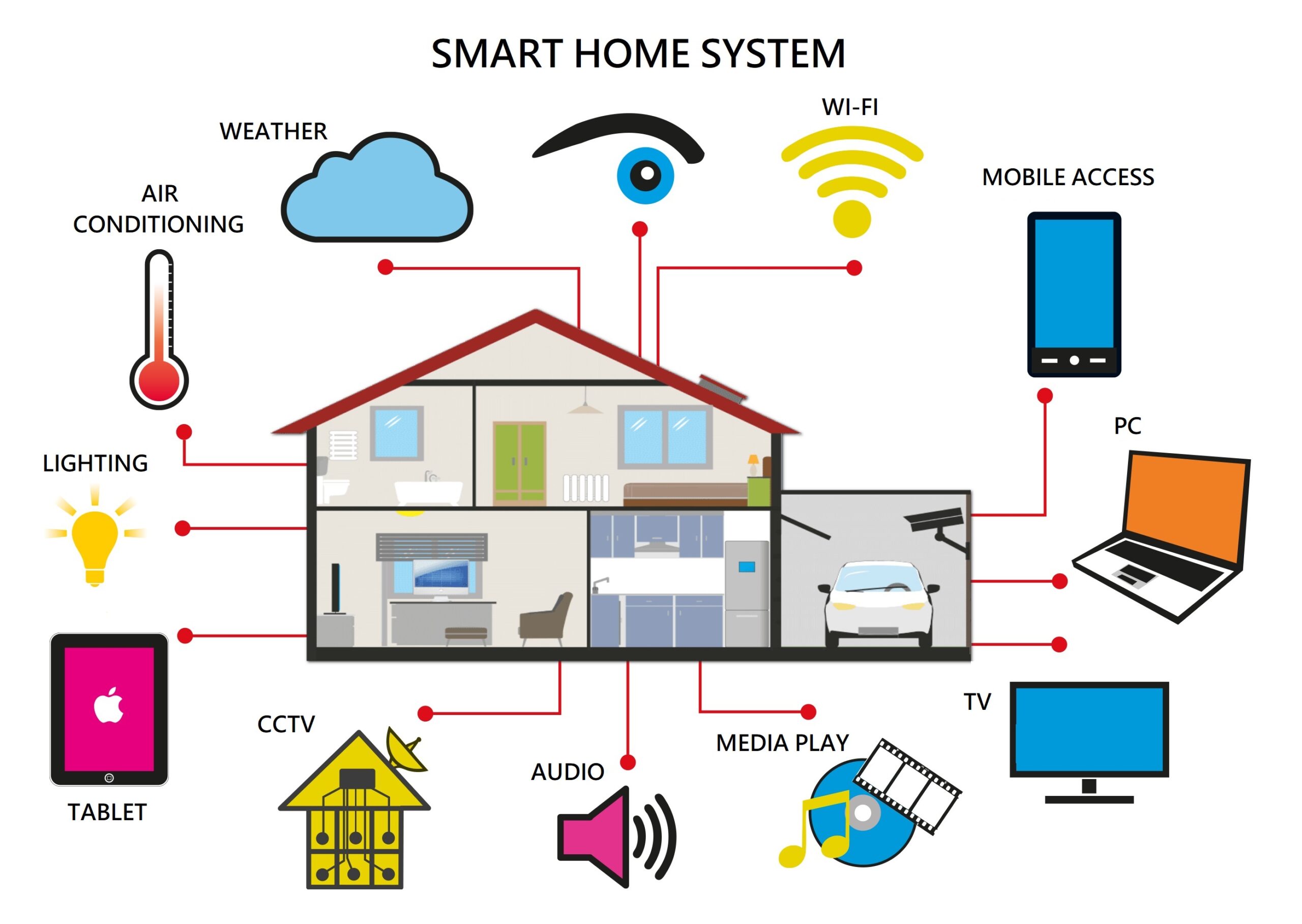
The concept of a "smart home," once confined to science fiction, has rapidly evolved into a tangible reality, transforming how we interact with our living spaces. From automated lighting and climate control to sophisticated security systems and voice-activated assistants, home automation promises unparalleled convenience, efficiency, and comfort. While its adoption is a global phenomenon, the Asian continent stands out as a particularly vibrant and complex landscape for this burgeoning industry. Driven by a confluence of rapid urbanization, burgeoning middle classes, technological prowess, and unique demographic shifts, Asia is not just a consumer but a significant innovator and manufacturer in the home automation sphere.
This article delves into the dynamic world of home automation systems in Asia, exploring the key drivers propelling its growth, the diverse market landscapes across the region, the technological innovations shaping its future, the challenges that need to be overcome, and the profound impact it is having on modern Asian living.
Asia’s Diverse Canvas: A Mosaic of Markets
Asia is not a monolithic entity; it is a continent of immense diversity in terms of economic development, technological adoption, cultural nuances, and regulatory environments. This diversity profoundly shapes the trajectory of home automation within its borders.
China: The Juggernaut of Smart Living
China stands as the undisputed giant in the Asian home automation market, both in terms of production and consumption. Its colossal population, rapid urbanization, and a tech-savvy generation have fueled explosive growth. The Chinese government’s strong push for "smart cities" and IoT initiatives has created a fertile ground for smart home technologies. Local giants like Xiaomi, Huawei, and Baidu have invested heavily, offering comprehensive ecosystems that integrate a vast array of devices, often at competitive price points. Tuya Smart, an IoT platform provider based in China, powers countless smart home devices globally, highlighting China’s role as a manufacturing and technology hub. Voice assistants like Baidu’s DuerOS and Alibaba’s Tmall Genie are deeply embedded, catering to the local language and cultural context. The sheer scale of the Chinese market allows for aggressive pricing strategies and rapid iteration of products.
India: The Emerging Frontier
India represents a market with immense potential, characterized by a rapidly expanding middle class, increasing disposable incomes, and a youthful, digitally literate population. However, adoption is more stratified, with smart home solutions initially finding traction in Tier-1 cities among affluent consumers. Price sensitivity remains a significant factor, leading to a demand for cost-effective and scalable solutions. Energy efficiency is a strong driver, given rising electricity costs. Local players, alongside global brands, are focusing on modular solutions that allow consumers to gradually build their smart homes. The penetration of smartphones and affordable internet data plans are critical enablers, making app-based control a common interface.
Japan: Early Adopter, Unique Needs
Japan was an early pioneer in home automation, driven by its technologically advanced society and unique demographic challenges. The aging population is a critical factor, leading to demand for smart home systems that enhance safety, provide remote monitoring for elderly care, and assist with daily tasks. Energy conservation, given Japan’s limited natural resources, is another major driver, with smart energy management systems being highly valued. Japanese consumers tend to favor high-quality, reliable, and meticulously designed products, often from established brands like Panasonic and Sony, which offer sophisticated, integrated solutions rather than fragmented devices. Privacy and data security are paramount concerns.
South Korea: Hyper-Connected and Integrated
South Korea boasts one of the world’s highest internet penetrations and is at the forefront of 5G deployment. This hyper-connectivity, coupled with a strong emphasis on smart city development, makes it a prime market for integrated home automation. Major conglomerates like Samsung and LG, global leaders in consumer electronics, offer comprehensive smart home ecosystems that seamlessly connect their appliances, entertainment systems, and security devices. Voice control, advanced AI, and interoperability are key features. The country’s dense urban living also drives demand for space-saving, multi-functional smart devices.
Southeast Asia: A Dynamic and Diverse Growth Story
The diverse nations of Southeast Asia, including Singapore, Malaysia, Thailand, Indonesia, and Vietnam, present a dynamic growth story. Singapore, with its "Smart Nation" initiative, is a leader in adopting advanced smart home technologies, often leveraging government support for integrated urban solutions. Other countries in the region are witnessing increasing adoption driven by rising disposable incomes, rapid urbanization, and a growing awareness of smart living benefits. Security is a primary concern in many cities, boosting demand for smart cameras and alarm systems. The market is characterized by a mix of global brands, Chinese imports, and local startups catering to specific regional needs and preferences.
Key Drivers Propelling Home Automation in Asia
The accelerating adoption of home automation systems across Asia can be attributed to several interconnected factors:
-
Rising Disposable Incomes and Urbanization: As economies in Asia grow, particularly in emerging markets, a burgeoning middle class has more disposable income to invest in lifestyle enhancements. Simultaneously, rapid urbanization leads to smaller living spaces in bustling cities, where efficiency, convenience, and security become paramount. Smart homes offer solutions to these modern urban challenges.
-
Technological Advancements and Digital Penetration: The widespread availability of affordable smartphones, pervasive internet connectivity (including 5G rollout), and advancements in IoT, AI, and cloud computing form the bedrock of the smart home ecosystem. Asian consumers are generally tech-savvy and quick to adopt new digital tools.
-
Convenience and Lifestyle Enhancement: The promise of a more convenient and comfortable lifestyle is a powerful motivator. From controlling lights and thermostats with a voice command to automating routine tasks, smart homes free up time and simplify daily living, aligning with the aspirations of modern Asian families.
-
Security and Safety Concerns: In densely populated urban environments, personal and property security is a significant concern. Smart home security systems – including smart locks, surveillance cameras, motion sensors, and remote monitoring – offer enhanced peace of mind, appealing strongly to homeowners and families.
-
Energy Efficiency and Sustainability: With growing environmental awareness and rising utility costs, energy management is a key driver. Smart thermostats, lighting systems, and appliance management can significantly reduce energy consumption, making homes more sustainable and cost-effective. This resonates strongly in energy-conscious nations like Japan and Singapore.
-
Aging Populations and Healthcare Integration: Countries like Japan, South Korea, and increasingly China, face rapidly aging populations. Smart home technologies offer solutions for elder care, including fall detection, medication reminders, remote health monitoring, and emergency alerts, allowing seniors to live independently and safely for longer.
-
Government Support and Smart City Initiatives: Many Asian governments are actively promoting "smart city" initiatives, integrating smart home technologies into broader urban development plans. This top-down support, coupled with investments in digital infrastructure, creates a conducive environment for smart home adoption.
Emerging Technologies and Trends Shaping the Market
The home automation landscape in Asia is continuously evolving, driven by relentless innovation:
-
Artificial Intelligence (AI) and Machine Learning (ML): AI is moving beyond simple automation to predictive and personalized experiences. Smart homes are learning user habits, anticipating needs, and optimizing settings autonomously. AI-powered voice assistants are becoming more sophisticated, understanding complex commands and natural language.
-
Voice Control Dominance: Voice assistants like Google Assistant, Amazon Alexa, and local alternatives (Baidu’s DuerOS, Alibaba’s Tmall Genie, Samsung’s Bixby) are becoming the primary interface for smart homes. The focus is on seamless integration and multi-language support.
-
Enhanced Interoperability and Ecosystems: The fragmentation of devices and platforms has been a major hurdle. Initiatives like Matter (backed by major tech companies) aim to create a universal standard for smart home devices, promising greater interoperability and a more unified user experience. Major brands are also strengthening their proprietary ecosystems.
-
Health and Wellness Integration: Smart homes are increasingly incorporating sensors and devices for health monitoring, air quality assessment, sleep tracking, and even mental well-being. This trend is particularly significant in Asia, given the focus on holistic health and the needs of aging populations.
-
Sustainability and Energy Management: Beyond basic smart thermostats, future smart homes will be deeply integrated into smart grids, optimizing energy consumption based on real-time pricing, renewable energy availability, and household demand. Smart appliances will communicate to manage peak loads.
-
DIY vs. Professional Installation Hybrid: While many basic smart devices are DIY-friendly, the growing complexity of integrated systems is leading to a demand for professional installation and customization, especially for whole-home solutions. Hybrid models, where consumers install basic devices and professionals handle complex integrations, are emerging.
-
5G and Edge Computing: The rollout of 5G networks provides the low latency and high bandwidth necessary for more responsive and complex smart home applications, especially for real-time video analytics and augmented reality interfaces. Edge computing allows for faster processing of data closer to the source, enhancing privacy and reducing reliance on the cloud.
Challenges and Hurdles
Despite the rapid growth, the Asian home automation market faces several significant challenges:
-
High Initial Cost: For many consumers, especially in emerging markets, the initial investment in smart home systems can be prohibitive. While prices are dropping, comprehensive whole-home solutions remain a luxury.
-
Interoperability and Fragmented Ecosystems: The lack of universal standards means devices from different manufacturers often struggle to communicate seamlessly. This fragmentation can lead to a disjointed user experience and vendor lock-in, frustrating consumers.
-
Data Privacy and Security Concerns: Smart homes collect vast amounts of personal data. Concerns about data breaches, unauthorized access, and how personal information is used and stored are significant barriers to adoption, particularly in privacy-conscious societies.
-
Lack of Awareness and Understanding: Many potential consumers are still unaware of the full capabilities and benefits of home automation, or perceive it as overly complex. Education and clear communication are crucial.
-
Reliable Internet Infrastructure: While major urban centers boast excellent connectivity, some rural and even secondary urban areas in Asia still struggle with consistent and high-speed internet, which is fundamental for smart home operation.
-
Installation Complexity and Technical Support: Setting up and troubleshooting smart home devices can be daunting for non-technical users. The availability of reliable technical support and user-friendly installation guides is vital.
-
Cultural Acceptance: In some traditional Asian households, there might be initial resistance to the idea of technology "taking over" aspects of home management, preferring manual control or fearing a loss of personal touch.
Major Players and Ecosystems
The Asian home automation market is a battleground for global tech giants, regional powerhouses, and innovative local startups:
- Global Giants: Google (Nest, Google Home), Amazon (Alexa, Ring, Eero), Apple (HomeKit), and Microsoft are all vying for market share, often adapting their offerings for regional preferences.
- Asian Powerhouses: Samsung (SmartThings), LG (ThinQ), Panasonic, Sony, and Huawei offer comprehensive ecosystems, leveraging their strong presence in consumer electronics. Xiaomi, with its vast and affordable range of smart devices, has built a formidable ecosystem in China and beyond. Tuya Smart provides the underlying IoT platform for countless brands worldwide.
- Local Innovators: Numerous startups and smaller companies are emerging across Asia, specializing in niche solutions, integrating local languages, or focusing on specific regional challenges (e.g., air quality monitors in polluted cities). Telecommunication companies are also playing a crucial role by bundling smart home services with their internet packages.
The Future Outlook: Smarter, Seamless, Sustainable
The trajectory of home automation in Asia is undeniably upward. The market is projected to grow exponentially, driven by continuous innovation and increasing consumer demand. We can anticipate several key developments:
- Greater Integration and Seamless Experiences: The future will see even deeper integration of devices, services, and AI, leading to truly seamless and intuitive smart home experiences where technology fades into the background.
- Hyper-Personalization: AI and machine learning will enable homes to become highly personalized, adapting not just to routines but also to moods, health states, and individual preferences.
- Focus on Health, Wellness, and Sustainability: Smart homes will play an increasingly vital role in monitoring and improving inhabitants’ health and well-being, while also becoming central to managing energy consumption and promoting sustainable living.
- Smart City Convergence: Home automation will become more deeply intertwined with broader smart city infrastructures, allowing for seamless transitions between smart homes, smart buildings, and smart urban environments.
- Increased Accessibility and Affordability: As technology matures and economies of scale take hold, smart home solutions will become more accessible and affordable, reaching a broader demographic across the continent.
In conclusion, Asia stands at the forefront of the global home automation revolution. Its diverse markets, driven by unique economic, social, and technological forces, are shaping the future of smart living. While challenges related to cost, interoperability, and privacy persist, the relentless pace of innovation, coupled with a tech-forward consumer base and supportive government initiatives, ensures that the continent will continue to be a hotbed for the development and adoption of intelligent living spaces. The smart home in Asia is not just about convenience; it is about building more efficient, secure, sustainable, and ultimately, more responsive environments that cater to the evolving needs of its rapidly modernizing societies.