Securing Your Sanctuary: A Comprehensive Guide to Home Security System Installation in Dubai
Dubai, a city synonymous with luxury, innovation, and an unparalleled standard of living, has consistently ranked among the safest cities globally. Its gleaming skyscrapers, vibrant expat communities, and futuristic vision create an environment where residents often feel a profound sense of security. Yet, even in such a secure metropolis, the importance of a robust home security system cannot be overstated. For homeowners and renters alike, investing in a sophisticated security setup is not merely a precautionary measure but an integral part of modern living, offering peace of mind, asset protection, and seamless integration with smart home ecosystems.
This comprehensive guide delves into every facet of home security system installation in Dubai, from understanding the local regulatory landscape and choosing the right components to the intricate process of professional installation and long-term maintenance.
Why Home Security is Paramount in Dubai, Even in a Safe City
While Dubai boasts an exceptionally low crime rate, dismissing the need for a home security system would be a misstep. Several compelling reasons underpin the importance of such an investment:
- Deterrence: The mere presence of visible security cameras, alarm systems, and smart locks acts as a powerful deterrent to potential intruders. Criminals are less likely to target properties that appear well-protected.
- Asset Protection: Dubai homes, whether villas or apartments, often house valuable assets, from electronics and jewelry to personal documents. A security system provides a crucial layer of protection against theft and vandalism.
- Peace of Mind for Expats: A significant portion of Dubai’s population comprises expatriates who may frequently travel for work or leisure. A reliable home security system allows them to monitor their property remotely, alleviating worries about their home while they are away.
- Insurance Requirements: Many home insurance policies in Dubai offer reduced premiums or even mandate the installation of certain security features. A professionally installed and monitored system can lead to significant savings and ensure compliance with policy terms.
- Smart Home Integration: Dubai is at the forefront of smart city initiatives. Home security systems seamlessly integrate with broader smart home ecosystems, allowing for unified control over lighting, climate, entertainment, and security from a single platform.
- Rapid Urbanization and Development: As Dubai continues its rapid growth, new residential areas emerge. While security is a priority in city planning, individual home security systems complement community-wide surveillance, offering personalized protection.
- Emergency Response: Modern security systems are linked to monitoring centers that can dispatch emergency services (police, fire, medical) quickly, reducing response times in critical situations.
Key Components of a Modern Home Security System
A comprehensive home security system is typically a multi-layered defense mechanism comprising several interconnected components:
-
CCTV Surveillance Systems:
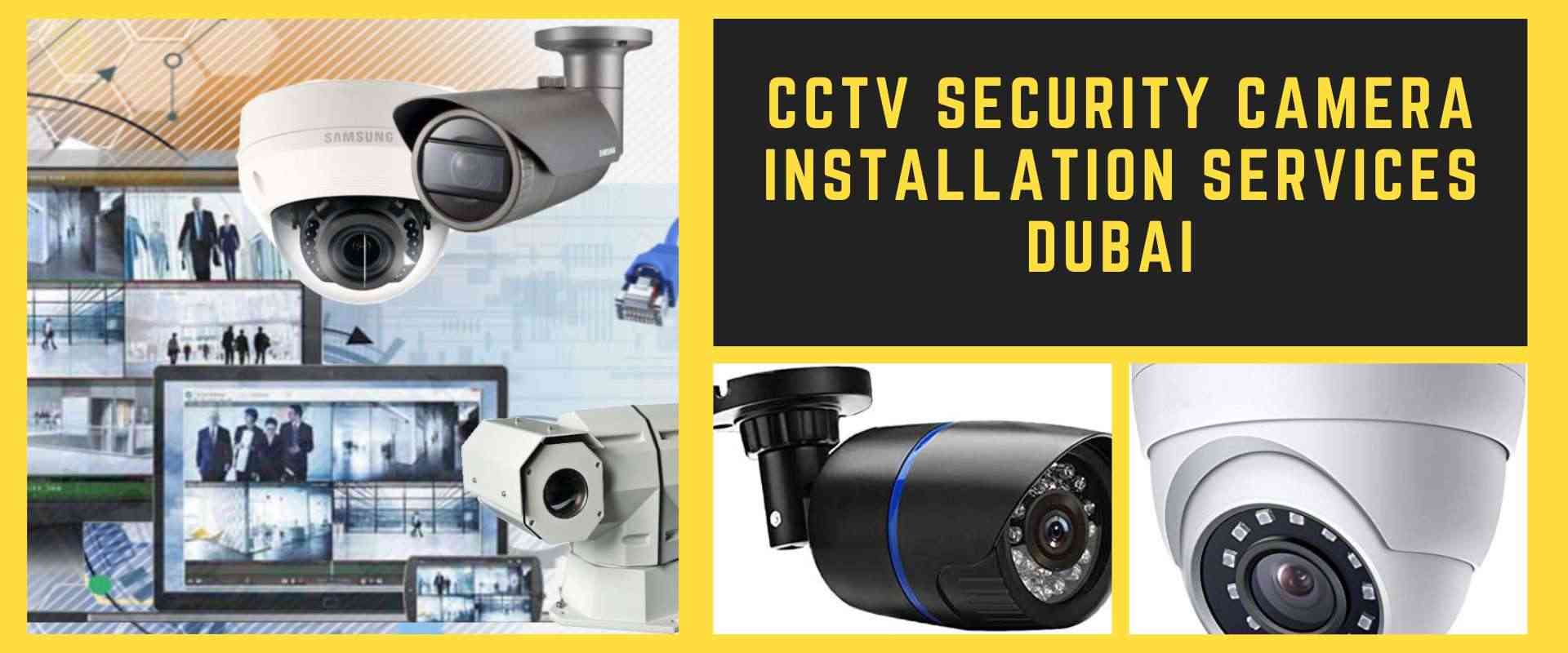
- Cameras: High-definition (HD) or 4K cameras are standard, offering clear footage. Options include dome cameras (discreet, vandal-resistant), bullet cameras (visible deterrent), PTZ (Pan-Tilt-Zoom) cameras for wider coverage, and doorbell cameras with two-way audio.
- Night Vision: Infrared (IR) technology ensures clear recording even in complete darkness.
- Motion Detection & Analytics: Advanced cameras can distinguish between humans, animals, and vehicles, reducing false alarms and focusing recording on relevant events. AI-powered analytics can detect suspicious behavior.
- Storage: Footage can be stored locally on Network Video Recorders (NVRs) or Digital Video Recorders (DVRs), or securely in the cloud for remote access and backup.
-
Alarm Systems:
- Sensors: These are the "eyes and ears" of the alarm system. Common types include:
- Door/Window Sensors: Detect when an opening is breached.
- Motion Sensors: Detect movement within a specified area (often pet-immune to prevent false alarms).
- Glass Break Sensors: Detect the sound frequency of breaking glass.
- Vibration Sensors: Detect forced entry attempts.
- Control Panel: The central hub that manages all sensors, arming/disarming the system, and communicating with monitoring services.
- Sirens: Loud audible alarms designed to deter intruders and alert neighbors.
- Keypads/Fobs: For easy arming and disarming.
- Sensors: These are the "eyes and ears" of the alarm system. Common types include:
-
Access Control Systems:
- Smart Locks: Keyless entry via codes, fingerprints, RFID cards, or smartphone apps.
- Video Intercoms: Allow residents to see and speak with visitors before granting access, even remotely.
- Gate Automation: Integrated control for automated gates and garage doors.
-
Environmental Sensors:
- Smoke and Carbon Monoxide (CO) Detectors: Crucial for fire safety and detecting dangerous CO levels.
- Water Leak Detectors: Alert homeowners to potential floods from burst pipes or appliance malfunctions, preventing costly damage.
-
Professional Monitoring Services:
- 24/7 monitoring by a central station that receives alerts from your system and dispatches appropriate emergency services (police, fire, ambulance) to your location. This is often a SIRA-mandated requirement for certain types of installations in Dubai.
-
Smart Home Integration:
- Connectivity with platforms like Amazon Alexa, Google Assistant, Apple HomeKit, or proprietary smart home hubs allows for voice control, automated routines (e.g., lights turn on when motion is detected), and remote management via smartphone apps.
The Dubai Regulatory Landscape: SIRA Compliance
A critical aspect of home security system installation in Dubai is adherence to the regulations set forth by the Security Industry Regulatory Agency (SIRA). SIRA is the governing body responsible for licensing, regulating, and controlling all security services and systems within the Emirate.
Key aspects of SIRA compliance for homeowners:
- Licensed Installers: It is mandatory to use SIRA-approved and licensed security companies for the installation, maintenance, and monitoring of security systems. This ensures that the installation meets stringent quality, safety, and operational standards.
- Approved Equipment: SIRA has specific requirements for the types of equipment that can be used, particularly for CCTV cameras and alarm systems. Installers will ensure that all components are SIRA-approved.
- Monitoring Requirements: For many installations, especially those involving alarms, linking the system to a SIRA-approved central monitoring station is a requirement. This ensures that emergency services are promptly notified in case of an incident.
- Data Privacy and Storage: SIRA regulations cover how CCTV footage is stored, accessed, and managed, addressing privacy concerns and ensuring data integrity.
- Permits: Depending on the scope and type of installation, specific permits might be required, which a SIRA-licensed installer will manage on your behalf.
Failing to comply with SIRA regulations can result in penalties, fines, or even the forced removal of non-compliant systems. Therefore, selecting a reputable, SIRA-licensed security provider is not just a recommendation but a legal necessity.
Planning Your Home Security System Installation
A well-planned installation is the foundation of an effective security system. This involves several crucial steps:
-
Needs Assessment:
- Property Type: Villa, apartment, townhouse? This influences camera placement, sensor types, and access control needs.
- Vulnerabilities: Identify potential entry points (doors, windows, balconies), blind spots, and areas requiring special attention.
- Lifestyle: Do you travel frequently? Do you have pets? Do you require remote monitoring?
- Budget: Determine a realistic budget for initial installation and ongoing monitoring/maintenance fees.
-
Choosing Between Wired and Wireless Systems:
- Wired Systems: Offer superior reliability, are less susceptible to interference, and generally have lower latency. Ideal for new constructions or major renovations where cabling can be concealed.
- Wireless Systems: Easier and quicker to install, more flexible for existing homes, and often integrate well with smart home devices. However, they rely on batteries and can be susceptible to signal jamming or interference. Many modern systems are hybrid, combining the best of both.
-
Selecting a SIRA-Licensed Installer: This is arguably the most critical step. Look for companies with:
- SIRA License and Certification: Verify their credentials.
- Experience: A proven track record in installing security systems in Dubai.
- Reputation: Check customer reviews, testimonials, and case studies.
- Comprehensive Services: Offering assessment, design, installation, configuration, user training, and ongoing support/maintenance.
- Technology Expertise: Familiarity with the latest security technologies and smart home integrations.
- 24/7 Support: Availability for emergencies and technical assistance.
The Installation Process: A Step-by-Step Overview
Once you’ve chosen a SIRA-licensed provider, the installation process typically follows these stages:
- Site Survey and Design: The security provider will conduct a thorough on-site survey to identify optimal camera angles, sensor placements, wiring routes (if applicable), and control panel locations. They will then present a detailed system design and quotation.
- Equipment Procurement: Based on the approved design, the necessary SIRA-approved equipment (cameras, sensors, control panel, wiring, etc.) is procured.
- Physical Installation:
- Mounting: Cameras are securely mounted in strategic locations, ensuring optimal coverage and protection from tampering.
- Wiring (for wired systems): Cables are meticulously run through walls, ceilings, or conduits, ensuring a neat and professional finish.
- Sensor Placement: Door/window contacts, motion detectors, and glass break sensors are installed at all vulnerable points.
- Control Panel Setup: The central hub is installed in an easily accessible yet secure location.
- Smart Lock Integration: Smart locks are fitted to designated doors.
- System Integration and Configuration:
- All components are connected to the central control panel.
- Software is installed, and the system is configured according to your specific needs (e.g., motion detection zones, alarm schedules, notification preferences).
- Integration with smart home platforms is established.
- Testing and Calibration:
- Every sensor, camera, and alarm component is rigorously tested to ensure it functions correctly and reliably.
- Camera angles are fine-tuned, and motion detection sensitivities are calibrated to minimize false alarms.
- The connection to the central monitoring station is verified.
- User Training: The installation team will provide comprehensive training on how to arm/disarm the system, access live camera feeds, review recordings, manage smart home integrations, and troubleshoot minor issues.
- SIRA Documentation and Handover: All necessary SIRA documentation is completed and submitted. Upon successful installation and testing, the system is officially handed over to the homeowner.
Advanced Features and Smart Home Integration
Modern home security systems in Dubai go beyond basic surveillance and alarms. They leverage cutting-edge technology to offer enhanced protection and convenience:
- AI-Powered Video Analytics: Facial recognition, license plate recognition, and object tracking for highly intelligent monitoring.
- Remote Access and Control: Manage your entire system from anywhere in the world via a smartphone app, receiving real-time alerts and viewing live feeds.
- Geofencing: Automatically arm or disarm your system based on your smartphone’s proximity to your home.
- Voice Control: Integrate with smart assistants like Alexa or Google Assistant for hands-free control.
- Automated Routines: Create custom scenarios, such as lights turning on when you disarm the system, or curtains closing when you activate "away" mode.
- Interoperability: Seamlessly connect with other smart devices like thermostats, lighting systems, and entertainment units for a truly integrated smart home experience.
Maintenance and Support: Ensuring Longevity
A security system is only as effective as its maintenance. Regular checks and professional support are vital:
- Routine Inspections: Annual or semi-annual checks by your security provider ensure all components are functioning optimally, batteries are replaced (for wireless systems), and software is updated.
- Software Updates: Firmware updates enhance system performance, patch vulnerabilities, and introduce new features.
- Troubleshooting and Repairs: Prompt technical support for any issues that arise.
- Monitoring Service Checks: Regular verification of the connection to the central monitoring station.
- Cleaning: Keeping camera lenses clean ensures clear footage.
Many security providers in Dubai offer comprehensive maintenance contracts that cover these aspects, providing continuous peace of mind.
Cost Considerations
The cost of a home security system installation in Dubai can vary widely depending on several factors:
- System Complexity: Basic alarm systems are less expensive than integrated smart home solutions with extensive CCTV coverage.
- Property Size: Larger homes require more cameras, sensors, and potentially longer wiring runs.
- Equipment Quality: High-end cameras, advanced sensors, and premium smart home integrations come at a higher price point.
- Wired vs. Wireless: Wired installations can be more labor-intensive and thus more expensive initially, but often offer greater long-term reliability.
- Monitoring Services: Ongoing monthly or annual fees for 24/7 professional monitoring.
- Customization: Bespoke solutions tailored to unique property layouts or specific security concerns.
While the initial investment might seem substantial, it’s crucial to view it as an investment in safety, asset protection, and peace of mind. The long-term benefits, including potential insurance savings and enhanced property value, often outweigh the upfront costs.
Common Mistakes to Avoid
- DIY for Complex Systems: While some basic systems can be self-installed, complex, integrated, or SIRA-mandated systems require professional expertise to ensure proper functionality and compliance.
- Ignoring SIRA Regulations: This is a critical error in Dubai. Always use a SIRA-licensed provider.
- Budgeting Too Low: Compromising on quality or coverage to save money can lead to an ineffective system.
- Poor Camera Placement: Placing cameras in easily obstructed areas or failing to cover crucial entry points.
- Neglecting Maintenance: An unmaintained system can fail when you need it most.
- Overlooking Environmental Sensors: Focusing solely on intrusion detection and forgetting about fire, CO, or water leak risks.
Conclusion
Dubai offers an unparalleled lifestyle, characterized by safety, luxury, and technological advancement. Complementing this environment with a state-of-the-art home security system is a wise decision for any resident. From the crucial role of SIRA compliance and the meticulous planning phase to the professional installation and ongoing maintenance, every step ensures your sanctuary remains secure.
By investing in a robust, intelligently designed, and expertly installed home security system, residents of Dubai can fully embrace the city’s promise of a superior quality of life, knowing that their homes, loved ones, and valuable possessions are protected by the latest technology and vigilant monitoring. In a city that constantly looks to the future, securing your present is the ultimate smart move.