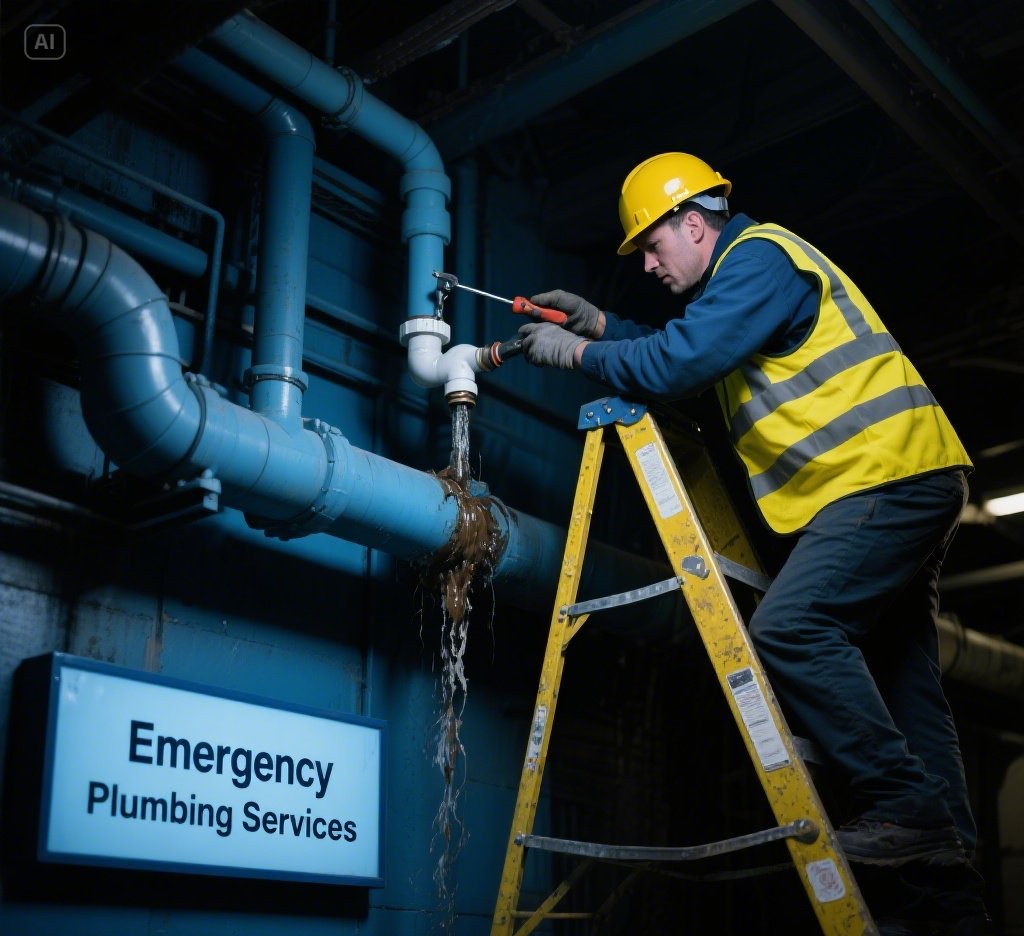
The Unseen Crisis: Why Emergency Plumbing Services are Indispensable in Singapore
Singapore, a bustling metropolis known for its stunning architecture, efficient infrastructure, and high standard of living, often masks the intricate network of systems that keep it running smoothly. Among the most critical, yet frequently overlooked, are its plumbing systems. For residents and businesses alike, a sudden plumbing failure can transform a peaceful day into an immediate crisis. This is where emergency plumbing services in Singapore step in – a lifeline that ensures the city’s inhabitants can navigate the unexpected, mitigating damage, ensuring safety, and restoring normalcy with speed and expertise.
This comprehensive article delves into the critical role of emergency plumbing services in Singapore, exploring what constitutes a plumbing emergency, why professional help is paramount, the dangers of delay, how to choose the right provider, and what to expect when disaster strikes.
The Singaporean Context: Unique Plumbing Challenges
Singapore’s unique urban landscape presents specific challenges for plumbing systems. The high density of residential buildings, particularly HDB flats and condominiums, means that plumbing issues can quickly escalate from an individual problem to a communal one. Shared risers, stacked units, and intricate pipe networks mean that a leak in one apartment can affect several others, leading to widespread damage and disputes.
Furthermore, Singapore’s tropical climate, characterized by high humidity and occasional heavy rainfall, can contribute to pipe corrosion over time, stress on drainage systems, and accelerate wear and tear on external plumbing fixtures. The city-state’s rigorous building codes and standards also mean that any plumbing work, especially repairs and installations, must adhere to strict regulations, emphasizing the need for licensed and experienced professionals. The high cost of property further underscores the importance of prompt and effective repairs to prevent costly structural damage and devaluation.
What Constitutes a Plumbing Emergency? More Than Just a Drip
Not every plumbing issue warrants a 24/7 emergency call. A slow drip from a faucet, while annoying, can usually wait for business hours. However, certain situations demand immediate attention to prevent significant property damage, health hazards, or severe disruption to daily life. Understanding the difference is crucial for homeowners and businesses.
Here are the most common scenarios that qualify as plumbing emergencies:
-
Burst Pipes: This is perhaps the most urgent. A burst pipe can unleash hundreds of liters of water in a short period, causing extensive damage to floors, walls, ceilings, furniture, and electrical systems. The sound of rushing water, visible bulging walls, or a sudden drop in water pressure are tell-tale signs. Immediate action is required to shut off the main water supply and call for help.
-
Severe Clogs and Overflows: A clogged toilet or sink is common, but when multiple fixtures are backed up, or wastewater is overflowing onto the floor, it’s an emergency. This indicates a blockage deeper within the main drainage system or sewer line. Beyond the obvious mess, raw sewage contains harmful bacteria and pathogens, posing a significant health risk.
-
No Water Supply or Extremely Low Water Pressure: While sometimes a municipal issue, if you’re the only one experiencing a complete loss of water or drastically reduced pressure, it could signal a severe problem within your property’s plumbing system, such as a major leak, a faulty main shut-off valve, or even a collapsed pipe. This renders basic hygiene and daily tasks impossible.
-
Water Heater Malfunctions (Leaking or No Hot Water): A leaking water heater can cause significant water damage and potentially create electrical hazards. If your water heater is producing no hot water, especially if it’s an electric or gas unit, it could indicate a faulty heating element, a gas leak (for gas heaters), or a wiring problem, all of which require immediate professional attention due to safety concerns.
-
Sewer Line Backups: When sewage backs up into your drains, toilets, or showers, it’s a critical health emergency. This usually signifies a severe blockage or damage to the main sewer line connecting your property to the municipal system. The contaminated water carries disease-causing organisms and can cause immense property damage.
-
Gas Leaks (related to water heaters or gas lines): While less common in plumbing, if your water heater uses gas and you detect the smell of rotten eggs (a common indicator of natural gas), it’s an extreme emergency. Turn off the gas supply immediately, evacuate the premises, and call both your gas provider and an emergency plumber/specialist. This poses a severe risk of explosion and carbon monoxide poisoning.
-
Persistent and Unexplained Leaks: While a slow drip might not be an emergency, a persistent leak that you cannot locate or stop, especially if it’s causing visible water stains, dampness, or a musty odor, can quickly lead to structural damage, mold growth, and compromise indoor air quality. If left unattended, it can evolve into a major problem.
Why Professional Emergency Plumbing Services Are Indispensable
When faced with any of the above scenarios, the immediate instinct might be to panic or attempt a DIY fix. However, relying on professional emergency plumbing services in Singapore offers distinct advantages that are crucial for effective problem resolution:
-
Rapid Response and Availability: Emergencies don’t adhere to business hours. Professional emergency plumbers operate 24/7, 365 days a year, ensuring that help is available whenever a crisis strikes. Their rapid response times are critical in mitigating damage, as every minute counts when water is flowing uncontrollably.
-
Expertise and Experience: Emergency plumbers are highly trained and experienced in diagnosing and resolving a wide array of complex plumbing issues. They possess the knowledge to quickly identify the root cause of the problem, rather than just treating the symptoms, ensuring a lasting solution.
-
Specialized Tools and Equipment: Most homeowners lack the specialized tools required for emergency plumbing repairs, such as industrial-grade drain snakes, hydro-jetting equipment, leak detection devices (thermal imaging cameras, acoustic sensors), and pipe inspection cameras. Professionals come equipped with these tools, enabling them to perform efficient and effective repairs.
-
Safety First: Plumbing emergencies often involve inherent dangers: contaminated water, slippery surfaces, potential electrical hazards (especially with water heaters), and even gas leaks. Professionals are trained to handle these situations safely, protecting themselves and your property from further harm.
-
Long-Term Solutions and Damage Mitigation: A quick patch-up might seem appealing, but it often leads to recurring problems. Emergency plumbers focus on long-term solutions, ensuring the repair is robust and prevents future occurrences. They also advise on how to mitigate secondary damage caused by the initial emergency, such as drying out affected areas to prevent mold.
-
Compliance with Regulations: In Singapore, plumbing work must comply with strict PUB (Public Utilities Board) regulations and other building codes. Licensed plumbers are knowledgeable about these requirements, ensuring all repairs are up to standard, which is crucial for safety and avoiding potential fines or issues with insurance claims.
-
Peace of Mind: Dealing with a plumbing emergency is incredibly stressful. Knowing that a team of competent professionals is on its way provides immense peace of mind, allowing you to focus on other priorities while they handle the crisis.
The Dangers of DIY or Delayed Action
While the urge to save money or fix things yourself can be strong, attempting DIY repairs on a plumbing emergency, or simply delaying calling for professional help, can lead to severe consequences:
- Worsening the Problem: Incorrect diagnosis or repair attempts can exacerbate the initial issue, turning a manageable problem into a much larger, more expensive one.
- Creating New Problems: Amateur repairs can inadvertently damage other parts of the plumbing system, fixtures, or even structural elements of your property.
- Health Hazards: Prolonged exposure to standing water or sewage can lead to mold growth, bacterial contamination, and respiratory issues.
- Increased Repair Costs: What might have been a minor repair if addressed promptly can become a major overhaul, including extensive water damage restoration, if left unattended.
- Safety Risks: Working with water and electricity, or dealing with potentially explosive gas lines, without proper training and equipment is extremely dangerous.
- Voiding Warranties: Attempting to fix appliances like water heaters yourself might void their manufacturer’s warranty.
- Insurance Complications: Some insurance policies may not cover damage resulting from delayed action or unauthorized repairs.
How to Choose the Right Emergency Plumber in Singapore
When a plumbing emergency strikes, you don’t have time for extensive research. It’s wise to have a trusted contact beforehand. Here’s what to look for when choosing an emergency plumbing service in Singapore:
- 24/7 Availability and Fast Response Time: This is non-negotiable for emergencies. Confirm their operational hours and their estimated arrival time.
- Licensed and Certified Plumbers: Ensure the company employs licensed plumbers who are registered with the relevant Singaporean authorities (e.g., PUB licensed plumbers). This guarantees they meet professional standards.
- Experience and Specialization: Look for companies with a proven track record in handling emergency situations. Some companies specialize in certain areas (e.g., leak detection, drain clearing), which can be beneficial.
- Transparent Pricing: Emergency services can be more expensive, but a reputable company will offer transparent pricing, provide a clear quote before starting work, and avoid hidden fees. Ask about call-out charges and hourly rates.
- Reputation and Reviews: Check online reviews, testimonials, and ask for recommendations. A company with consistently positive feedback is a good indicator of reliable service.
- Insurance: Ensure the plumbing company is adequately insured. This protects you from liability in case of accidents or damage to your property during the repair process.
- Warranty or Guarantee: A good company will stand behind its work, offering a warranty or guarantee on parts and labor for a certain period.
- Customer Service: Even in an emergency, clear communication, professionalism, and a helpful attitude from the initial phone call are important.
What to Expect During an Emergency Service Call
Once you’ve made the call, knowing what to expect can help ease your stress:
- Initial Information Gathering: The dispatcher will ask for details about the emergency, your location, and potentially provide initial advice (e.g., how to shut off your main water supply).
- Plumber’s Arrival and Assessment: The plumber will arrive, often in a clearly marked vehicle, and immediately assess the situation. They will locate the source of the problem and evaluate the extent of the damage.
- Diagnosis and Explanation: The plumber will explain their findings, outlining the cause of the emergency and the necessary steps for repair. They should answer any questions you have.
- Quotation and Approval: A clear, itemized quote for the repair work, including parts and labor, will be provided. Work should only commence after you have approved the cost.
- Repair Work: The plumber will proceed with the necessary repairs using their specialized tools and expertise. This might involve replacing pipes, clearing blockages, repairing water heaters, or sealing leaks.
- Testing and Cleanup: After the repair, the plumber will test the system to ensure it’s functioning correctly and that the problem is resolved. They should also clean up the work area, removing any debris or mess created during the repair.
- Payment and Follow-up Advice: You will make payment as agreed. The plumber might offer advice on preventive measures or suggest future maintenance to avoid similar emergencies.
Preventive Measures and Preparedness
While emergencies are unpredictable, a degree of preparedness can make a significant difference:
- Know Your Main Water Shut-Off Valve: Locate it and ensure everyone in the household knows how to turn it off in an emergency. This can prevent extensive water damage.
- Regular Maintenance: Schedule periodic plumbing inspections and maintenance to catch potential issues before they escalate.
- Avoid Harsh Drain Cleaners: These can damage pipes over time. Opt for enzymatic cleaners or call a plumber for stubborn clogs.
- Be Mindful of What Goes Down Drains: Avoid pouring grease, coffee grounds, or non-biodegradable items down sinks and toilets.
- Have a Trusted Plumber’s Number Handy: Save the contact details of a reliable 24/7 emergency plumbing service in your phone.
Conclusion
In a densely populated and highly developed city like Singapore, the integrity of plumbing systems is paramount to public health, property value, and daily convenience. Plumbing emergencies, though often sudden and stressful, are an inevitable part of urban living. The unsung heroes of these crises are the dedicated emergency plumbing services – teams of skilled professionals who stand ready 24/7 to tackle burst pipes, severe clogs, and water heater failures.
By understanding what constitutes an emergency, recognizing the indispensable value of professional expertise, and taking proactive steps to prepare, residents and businesses in Singapore can safeguard their properties, ensure their well-being, and maintain the smooth flow of life, even when unexpected plumbing challenges arise. Having a trusted emergency plumber on speed dial isn’t just a convenience; it’s a critical component of responsible homeownership and business management in the Lion City.