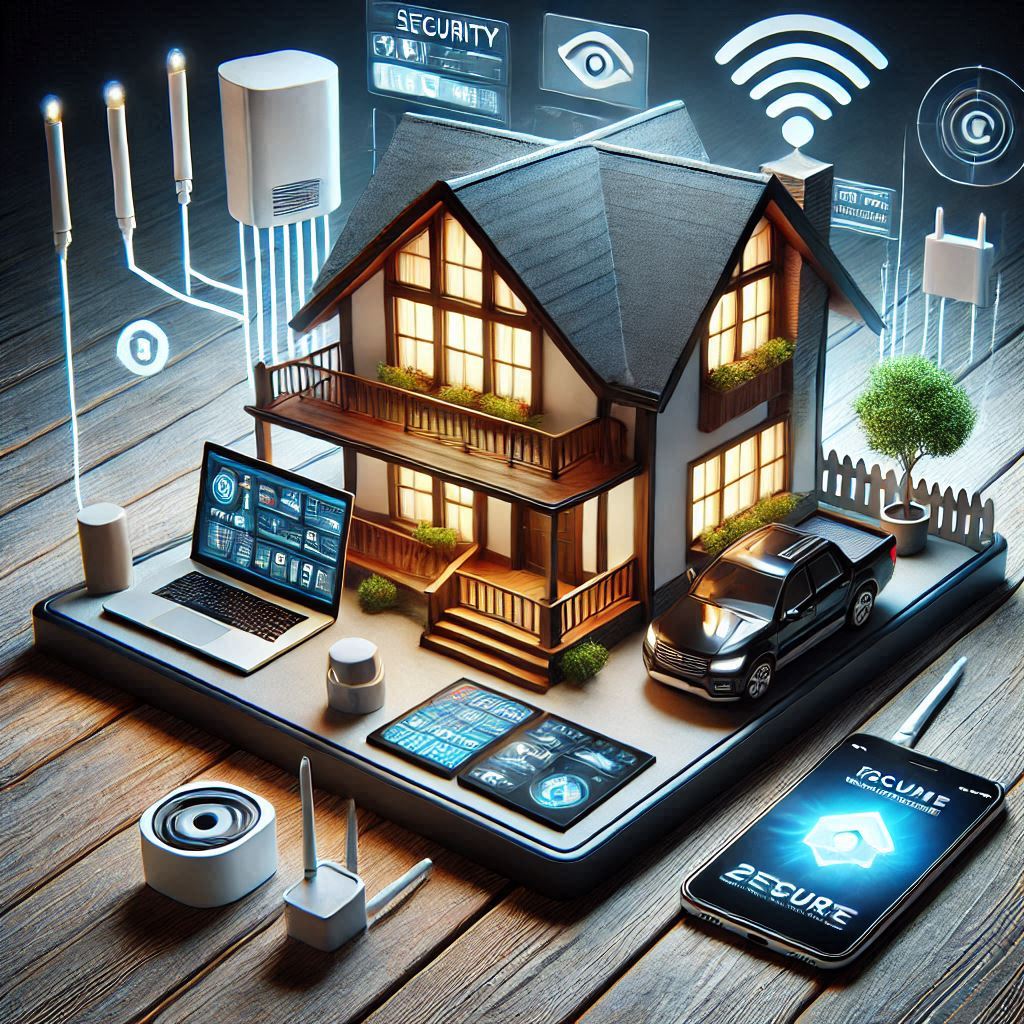
Fortifying Malaysian Homes: A Comprehensive Guide to Smart Home Security
In an increasingly connected world, the concept of a "smart home" has moved beyond mere convenience to become an essential pillar of modern living. Within this rapidly evolving landscape, smart home security stands out as a critical innovation, offering Malaysian homeowners unprecedented control, vigilance, and peace of mind. As technology intertwines more deeply with our daily lives, the traditional padlock and alarm system are giving way to intelligent networks of cameras, sensors, and smart locks that can be monitored and managed from anywhere, at any time.
This comprehensive guide delves into the intricate world of smart home security in Malaysia, exploring its core components, the myriad benefits it offers, the challenges homeowners might face, and how to choose the ideal system to safeguard your property and loved ones.
The Malaysian Context: Why Smart Security Now?
Malaysia, a nation known for its rapid technological adoption and bustling urban centers, presents a unique environment for the growth of smart home security. Several factors contribute to its rising prominence:
- Urbanization and Busy Lifestyles: As more Malaysians move to cities and juggle demanding careers, the need for remote monitoring and automated security solutions becomes paramount. Homeowners often spend long hours away from their properties, making the ability to check in remotely invaluable.
- Increased Awareness of Security: While crime rates fluctuate, public awareness and concern about property security remain consistently high. Smart security systems offer a proactive deterrent and a reactive response mechanism that traditional systems often lack.
- High Internet Penetration and Smartphone Usage: Malaysia boasts a high rate of internet connectivity and smartphone ownership. This digital readiness provides a fertile ground for smart home devices that rely heavily on internet access and app-based control.
- Affordability and Accessibility: What was once considered a luxury for the affluent is now becoming more accessible. A wide range of smart security products, from budget-friendly DIY kits to comprehensive professionally installed systems, are available, catering to various income brackets.
- Integration with Local Service Providers: Major telecommunication companies in Malaysia are increasingly offering smart home security packages, often bundled with internet services, making it easier for consumers to adopt these technologies.
Demystifying Smart Home Security: Core Components
A robust smart home security system is typically an integrated network of several key components, each playing a vital role in protecting your property:
1. Smart Surveillance Cameras (CCTV)
These are the eyes of your smart security system. Far more advanced than traditional CCTV, smart cameras offer:
- High-Definition Video: Crystal-clear footage, often in 1080p or 4K resolution.
- Night Vision: Infrared (IR) or color night vision for clear images in low light or complete darkness.
- Motion Detection: Triggers recording and alerts upon detecting movement, often with customizable zones to reduce false alarms.
- Two-Way Audio: Allows you to speak to and hear visitors or intruders through the camera’s built-in speaker and microphone.
- Remote Viewing: Access live feeds and recorded footage from anywhere via a smartphone app.
- Cloud Storage & Local Storage: Options to save footage securely online (subscription-based) or on a local SD card/NVR (Network Video Recorder).
- Advanced AI Features: Some cameras can differentiate between people, pets, and vehicles, reducing irrelevant notifications. Facial recognition is also emerging in high-end models.
- Types:
- Indoor Cameras: Often smaller, discreet, and sometimes with pan-and-tilt capabilities.
- Outdoor Cameras: Weather-resistant, more robust, and often include spotlights or sirens.
- Video Doorbell Cameras: Replace traditional doorbells, offering a wide-angle view of your doorstep, motion detection, and two-way audio, even when you’re not home.
2. Smart Locks & Access Control
These systems revolutionize how you secure and access your home:
- Keyless Entry: Unlock doors using PIN codes, fingerprint scanners (biometrics), or smartphone apps, eliminating the need for physical keys.
- Remote Locking/Unlocking: Grant access to family members, cleaners, or delivery personnel remotely, even when you’re not physically present.
- Temporary Access Codes: Create time-sensitive or single-use passcodes for guests or service providers.
- Activity Logs: Track who enters and exits your home and at what times.
- Integration: Can be programmed to trigger other smart home actions, like turning on lights when the door unlocks.
3. Sensors & Detectors
These devices are the silent guardians, alerting you to potential threats beyond just intruders:
- Door/Window Sensors: Detect if a door or window is opened or tampered with.
- Motion Sensors: Detect movement within a room, often with pet-immune features to prevent false alarms from animals.
- Glass Break Sensors: Listen for the specific sound of breaking glass, providing an early warning against forced entry.
- Environmental Sensors:
- Smoke/Carbon Monoxide (CO) Detectors: Smart versions send alerts to your phone and can be linked to professional monitoring services.
- Water Leak Sensors: Detect leaks from pipes, washing machines, or water heaters, preventing costly damage.
- Temperature/Humidity Sensors: Monitor environmental conditions for comfort and to prevent issues like mold.
4. Alarm Systems & Professional Monitoring
The heart of a reactive security system:
- Siren Integration: A loud siren to deter intruders and alert neighbors.
- Self-Monitoring: You receive all alerts on your smartphone and are responsible for contacting authorities if needed.
- Professional Monitoring: A central monitoring station receives alerts and dispatches security personnel or emergency services on your behalf, often requiring a monthly subscription. This offers an added layer of peace of mind, especially when you’re unreachable.
5. Central Hubs & Automation
The brain of your smart home security ecosystem:
- Smart Hub/Gateway: A central device that connects all your smart security components, allowing them to communicate with each other and with your smartphone.
- App Control: A single app to manage all your devices, view feeds, arm/disarm the system, and customize settings.
- Voice Control: Integration with popular voice assistants like Google Assistant or Amazon Alexa for hands-free control.
- Automation & Routines: Create custom scenarios, such as "Away Mode" that locks doors, arms the alarm, turns off lights, and activates cameras when you leave. Or "Welcome Home" which disarms the system and turns on selected lights.
The Unfolding Benefits: Why Malaysians Are Adopting Smart Security
The advantages of implementing a smart home security system extend far beyond simple intrusion detection:
- Enhanced Protection & Deterrence: Visible cameras and smart locks act as strong deterrents to potential intruders. Should an attempt occur, the system provides immediate alerts, often accompanied by a loud siren, and records evidence.
- Remote Monitoring & Control: The ability to check on your home from anywhere in the world provides unparalleled peace of mind. Whether you’re at work, on holiday, or just in another room, you can view live camera feeds, check sensor statuses, and arm/disarm your system with a tap.
- Proactive Alerts: Instead of discovering a problem after the fact, smart systems alert you in real-time about motion, open doors, smoke, or even water leaks, allowing for prompt action.
- Convenience & Automation: Automate routine security tasks, such as locking doors at a certain time or arming the system when you leave. Granting temporary access to visitors or delivery personnel becomes effortless.
- Evidence Collection: High-quality video recordings and activity logs provide crucial evidence for law enforcement in the event of a security breach.
- Property Value & Insurance Benefits: A sophisticated security system can increase your home’s appeal and potentially lead to lower home insurance premiums, as many insurers recognize the reduced risk.
- Safety Beyond Intruders: Environmental sensors protect against fires, carbon monoxide poisoning, and water damage, safeguarding both your property and the lives within it.
Navigating the Challenges & Considerations in Malaysia
While the benefits are compelling, adopting smart home security in Malaysia also comes with its own set of challenges and considerations:
-
Cost & Investment:
- Initial Outlay: Comprehensive systems can be a significant upfront investment, especially for high-end components and professional installation.
- Subscription Fees: Many advanced features, such as cloud storage for video, professional monitoring, or premium AI analytics, come with recurring monthly or annual subscription costs. It’s crucial to factor these into your long-term budget.
-
Privacy & Data Security:
- Cloud Storage Concerns: Storing video footage and personal data in the cloud raises questions about data privacy and potential unauthorized access. Choosing reputable brands with strong encryption and privacy policies is vital.
- Hacking Risks: Like any internet-connected device, smart security systems can be vulnerable to cyberattacks if not properly secured with strong passwords and regular firmware updates.
-
Connectivity & Reliability:
- Internet Dependency: Most smart security systems rely heavily on a stable and fast internet connection. Power outages or internet disruptions can compromise the system’s functionality, though some systems offer battery backup and cellular failover.
- Power Supply: Devices need consistent power. While many have battery backups, extended outages can affect performance.
-
Installation & Technical Proficiency:
- DIY vs. Professional: While many entry-level systems are designed for DIY installation, more complex setups, especially those involving hardwiring or intricate network configurations, might require professional expertise, adding to the cost.
- Technical Literacy: Homeowners need a basic level of technical comfort to set up apps, manage settings, and troubleshoot minor issues.
-
Interoperability & Ecosystem Lock-in:
- Brand Compatibility: Not all smart devices from different brands communicate seamlessly. Choosing a system within a single ecosystem (e.g., Google Home, Apple HomeKit, Samsung SmartThings) or one that supports universal protocols (Zigbee, Z-Wave) can prevent compatibility headaches.
- Vendor Lock-in: Once you invest heavily in one brand’s ecosystem, switching to another can be costly and inconvenient.
-
Cybersecurity Threats:
- Vulnerabilities: Outdated firmware, weak passwords, and unsecured Wi-Fi networks can make your smart security system a target for cybercriminals. Regular updates and robust network security are non-negotiable.
-
Local Support & Regulations:
- Customer Service: Ensure the brand or provider offers reliable local customer support in Malaysia for troubleshooting and warranty claims.
- Legal Compliance: Be aware of any local regulations regarding surveillance cameras, especially concerning public spaces or neighbor’s properties, to avoid legal issues.
Choosing the Right Smart Home Security System in Malaysia
Selecting the ideal smart home security system requires careful consideration of your specific needs, budget, and lifestyle:
-
Assess Your Needs:
- Property Type: Apartment, landed house, condo? This influences the number and type of sensors and cameras needed.
- Vulnerability Points: Identify entry points (doors, windows), potential blind spots, and valuable areas.
- Family Size & Habits: Do you have pets (requiring pet-immune sensors)? Do children need easy access?
- Budget: Determine your upfront investment capacity and willingness for recurring subscription fees.
-
DIY vs. Professional Installation & Monitoring:
- DIY: Cost-effective, flexible, but requires technical comfort. Ideal for smaller setups.
- Professional Installation: Ensures correct setup, often comes with warranty, but higher upfront cost.
- Self-Monitoring: Free, but requires you to be constantly vigilant.
- Professional Monitoring: Offers 24/7 peace of mind but incurs monthly fees. Consider if you travel frequently or want an immediate emergency response.
-
Connectivity Protocols:
- Wi-Fi: Common, easy to set up, but can consume bandwidth and battery.
- Zigbee/Z-Wave: Low-power, mesh networks ideal for many sensors and smart devices, creating a more robust and energy-efficient system, often requiring a dedicated hub.
- Bluetooth: Suitable for short-range connections, often used for smart locks.
-
Scalability & Future-Proofing:
- Choose a system that allows you to easily add more devices as your needs evolve.
- Consider compatibility with future smart home technologies.
-
Brand Reputation & Customer Support:
- Research brands known for reliability, strong cybersecurity, and excellent customer service in Malaysia.
- Read reviews from other Malaysian users.
-
Cloud Storage & Subscription Models:
- Understand the costs associated with cloud video storage and the duration of footage retention.
- Compare features offered by different subscription tiers.
Popular Smart Home Security Solutions in Malaysia
The Malaysian market offers a diverse range of smart home security solutions, catering to various budgets and preferences:
- Dedicated Security Brands: Companies like Arlo, Ring, Ezviz, and Yale offer robust, purpose-built security devices with strong ecosystems.
- Tech Giants: Google Nest (cameras, doorbells, thermostats), Xiaomi (affordable cameras, sensors, gateways), and Samsung SmartThings (a comprehensive smart home platform) provide integrated solutions.
- Local Telecommunication Providers: Maxis, Celcom, and Telekom Malaysia (TM) are increasingly venturing into smart home IoT services, often bundling smart security packages with their broadband plans, offering convenient integrated billing and support.
- DIY-Friendly Kits: Many brands offer starter kits that are easy to install and expand upon, perfect for those on a budget or who enjoy tinkering.
The Future of Smart Home Security in Malaysia
The evolution of smart home security is relentless. In Malaysia, we can expect to see:
- Advanced AI & Machine Learning: More sophisticated threat detection, predictive analytics, and personalized security routines.
- Enhanced Biometrics: Wider adoption of facial recognition, iris scanning, and voice biometrics for access control.
- Integration with Smart Cities: Seamless connectivity with municipal emergency services, smart streetlights, and public surveillance.
- Drone Integration: Autonomous security drones for larger properties or perimeter monitoring (though regulatory hurdles remain).
- Energy Efficiency: Security systems that are more power-efficient and can integrate with smart energy management.
- Edge Computing: More processing happening on the device itself, reducing reliance on the cloud and improving privacy and speed.
Conclusion
Smart home security is no longer a futuristic concept but a tangible reality transforming how Malaysians protect their homes and families. It offers an unparalleled blend of vigilance, control, and convenience, empowering homeowners to monitor their properties remotely, receive real-time alerts, and deter potential threats.
While challenges like cost, privacy concerns, and connectivity issues exist, the continuous advancement in technology and increasing competition in the market are making these systems more accessible, reliable, and user-friendly. By carefully assessing individual needs, researching reputable brands, and understanding the core components and considerations, Malaysian homeowners can confidently invest in a smart home security system that provides true peace of mind in our increasingly connected world. The future of home protection is smart, and Malaysia is embracing it wholeheartedly.