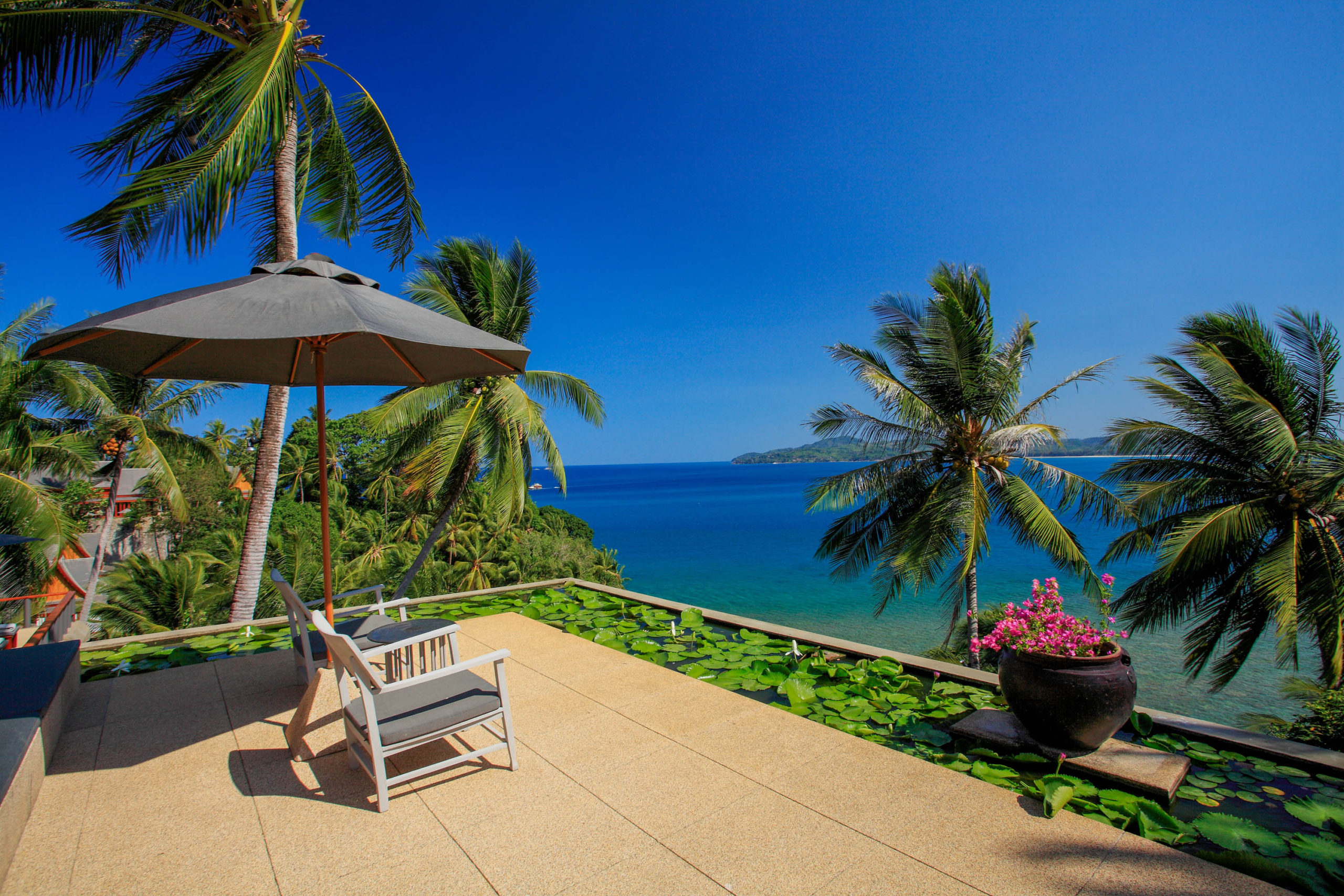
Paradise Found: Unlocking the Dream of Thailand Beachfront Property for Sale
Thailand, the "Land of Smiles," has long captivated the hearts of travelers with its pristine beaches, vibrant culture, delectable cuisine, and warm hospitality. Beyond the allure of a tropical holiday, this Southeast Asian gem has steadily emerged as a premier destination for those seeking to own a slice of paradise – specifically, a coveted beachfront property. The dream of waking to the sound of waves, stepping directly onto soft sand, and gazing at an endless turquoise horizon is not merely a fantasy here; it’s an attainable luxury that combines breathtaking natural beauty with robust investment potential.
This comprehensive article delves into the intricate world of Thailand beachfront property for sale, exploring why it’s a wise investment, the diverse regions offering such gems, the types of properties available, the legal framework for foreign ownership, and the essential steps to make your beachfront dream a reality.
Why Invest in Thailand Beachfront Property?
The decision to invest in beachfront property in Thailand is underpinned by a compelling blend of lifestyle advantages and sound financial rationale.
-
Unrivaled Natural Beauty and Lifestyle: Thailand’s coastlines are legendary. From the dramatic limestone karsts of the Andaman Sea to the tranquil, palm-fringed shores of the Gulf of Thailand, each region offers a unique aesthetic. Owning beachfront property means direct access to this natural splendor – daily swims, sunset strolls, and the therapeutic rhythm of the ocean become part of your everyday life. The lifestyle is one of relaxation, wellness, and immersion in a rich cultural tapestry, often at a significantly lower cost of living than many Western countries.
-
Robust Tourism Industry & Rental Potential: Thailand consistently ranks among the world’s most visited countries. This ever-growing tourism sector fuels a lucrative rental market for beachfront properties. High-end villas and condominiums with direct beach access are in constant demand from holidaymakers, offering owners substantial rental yields, especially through short-term luxury rentals. This makes beachfront property not just a personal haven but a potent income-generating asset.
-
Strong Capital Appreciation: True beachfront property is a finite resource. The limited supply, coupled with increasing demand from both domestic and international buyers, naturally drives up property values. Prime beachfront locations have historically shown strong capital appreciation, making them a secure long-term investment. Infrastructure improvements, such as new airports, roads, and ferry services, further enhance accessibility and boost property values in surrounding areas.
-
Economic Stability and Growth: Thailand boasts a resilient and growing economy, supported by a diverse industrial base and a proactive government keen on attracting foreign investment. This stability provides a secure environment for property ownership and investment.
-
World-Class Infrastructure & Services: Major tourist destinations like Phuket, Koh Samui, and Hua Hin offer excellent infrastructure, including international airports, modern hospitals, renowned international schools, upscale shopping malls, and a plethora of dining options ranging from street food to Michelin-starred restaurants. This ensures a comfortable and convenient living experience for residents.
-
Cultural Richness and Hospitality: Beyond the beaches, Thailand offers a deep dive into a vibrant Buddhist culture, ancient temples, bustling markets, and a culinary scene that is celebrated globally. The Thai people are renowned for their warmth and hospitality, making it easy for expatriates to integrate and feel at home.
Key Beachfront Destinations for Property Investment
Thailand’s extensive coastline presents a myriad of options for beachfront property. Each region possesses its distinct character, appealing to different buyer preferences.
-
Phuket: The Pearl of the Andaman Sea
- Vibe: Sophisticated, diverse, and well-developed. Phuket is Thailand’s largest island and arguably its most famous. It offers everything from bustling tourist hubs to secluded, ultra-luxury enclaves.
- Beachfront Appeal: Known for its stunning west coast beaches like Patong (vibrant nightlife), Kata, Karon, Surin, Bang Tao (upscale resorts and beach clubs), and the exclusive Layan and Naithon beaches. Properties here often feature contemporary designs, private infinity pools, and direct access to pristine sands.
- Property Types: A wide range of luxury villas, condominiums within resort developments, and occasional land plots for bespoke builds.
- Investment Highlight: Excellent infrastructure (international airport, world-class hospitals, golf courses), high rental yields, and strong capital appreciation due to its status as a global luxury destination.
-
Koh Samui: Island Paradise with Laid-Back Luxury
- Vibe: More relaxed and exclusive than Phuket, with a focus on natural beauty and boutique luxury. Samui retains a charming island feel while offering all modern conveniences.
- Beachfront Appeal: Iconic beaches include Chaweng (lively), Lamai (family-friendly), Bophut (Fisherman’s Village charm), Maenam (tranquil), and the more secluded shores of Choeng Mon and Plai Laem. Beachfront villas here are often designed with a blend of traditional Thai and contemporary styles, emphasizing indoor-outdoor living.
- Property Types: Predominantly luxury villas, often with stunning sea views and direct beach access, and a growing number of high-end condominium projects.
- Investment Highlight: Strong demand from European and Australian markets, a well-established expat community, and a consistent appeal for those seeking a tranquil yet luxurious island lifestyle.
-
Krabi & Ao Nang: Limestone Karst Wonders
- Vibe: Nature-centric, adventurous, and breathtakingly beautiful with its iconic limestone karsts rising from the emerald sea.
- Beachfront Appeal: While much of Krabi’s coastline is dramatic cliffs, there are stunning beachfront properties around Ao Nang, Klong Muang, and Tubkaek Beach. These locations offer unparalleled views and a sense of serenity away from the crowds.
- Property Types: Primarily boutique resorts, private villas, and some condominium developments.
- Investment Highlight: Growing popularity as an alternative to Phuket, focus on eco-tourism, and relatively more affordable beachfront options compared to its more established neighbors. Access to world-famous Railay Beach and Phi Phi Islands.
-
Hua Hin & Cha-am: The Royal Retreats
- Vibe: Sophisticated, family-friendly, and popular with Thai royalty and Bangkok residents seeking a convenient weekend escape. It offers a more understated charm than the southern islands.
- Beachfront Appeal: Long, sandy beaches suitable for swimming and water sports. Properties here range from traditional Thai-style homes to modern condominiums and luxury villas, many with direct access to the Gulf of Thailand.
- Property Types: A mix of luxury villas, resort-style condos, and some older, charming beach houses.
- Investment Highlight: Proximity to Bangkok (2-3 hours drive), excellent golf courses, international schools, and a reputation for safety and tranquility. Ideal for retirees and families.
-
Pattaya & Eastern Seaboard: Vibrant & Accessible
- Vibe: Energetic, diverse, and highly accessible from Bangkok. Pattaya has transformed from its reputation to offer a broader appeal, including family attractions, golf courses, and upscale residential areas.
- Beachfront Appeal: While Pattaya Beach itself is very lively, the surrounding areas like Jomtien, Na Jomtien, and Bang Saray offer beautiful and quieter beachfront properties.
- Property Types: Dominated by high-rise condominiums with sea views, but also a good selection of beachfront villas, especially in the more exclusive southern areas.
- Investment Highlight: Strong demand from Asian buyers, excellent infrastructure, proximity to U-Tapao International Airport, and a wide range of amenities. Offers some of the most competitively priced beachfront property in Thailand.
-
Emerging Markets (Koh Lanta, Khao Lak, Rayong, Koh Phangan):
- For those seeking a more tranquil, unspoiled, or potentially higher-growth investment, areas like Koh Lanta (laid-back island vibe), Khao Lak (eco-tourism focus, stunning natural beauty), Rayong (local charm, accessible from Bangkok), and Koh Phangan (wellness, yoga, and full moon parties) offer beachfront opportunities that might be more affordable now, with strong potential for future appreciation as infrastructure develops.
Types of Beachfront Properties Available
The market offers a diverse portfolio of beachfront properties to suit varying preferences and budgets:
-
Luxury Beachfront Villas & Estates: These are the epitome of tropical living, offering ultimate privacy, expansive living spaces, multiple bedrooms, private infinity pools, lush gardens, and often direct, exclusive access to the beach. Many come fully furnished to exquisite standards, often with bespoke services like private chefs and butlers. They are ideal for high-net-worth individuals, large families, or those seeking a premium rental income.
-
Beachfront Condominiums & Serviced Apartments: Often part of larger resort developments, these offer convenience, security, and access to shared amenities such as communal pools, gyms, restaurants, and professional management services. They are a popular choice for investors looking for a lock-and-leave holiday home with strong rental potential, and for those who prefer a lower maintenance lifestyle.
-
Land Plots for Bespoke Development: For the visionary buyer, acquiring a beachfront land plot offers the ultimate freedom to design and build a dream home precisely to their specifications. This requires careful due diligence regarding zoning, building regulations, and environmental considerations, but offers unparalleled customization.
-
Boutique Resorts & Hotels: For the entrepreneurial investor, purchasing an existing beachfront boutique resort or guesthouse offers an immediate business opportunity. These properties can provide both a lifestyle change and a steady income stream, especially in established tourist areas.
Understanding the Legalities of Foreign Ownership in Thailand
Navigating the legal landscape for foreign property ownership in Thailand is crucial. While foreigners cannot directly own freehold land, several secure and well-established legal structures allow them to acquire and control beachfront property.
-
Foreign Ownership of Land:
- General Rule: Foreigners are prohibited from owning freehold land in Thailand under the Land Code Act.
- Exception (Limited): A foreigner may own up to 1 rai (1,600 sqm) of land for residential purposes if they invest at least THB 40 million in specific Thai government bonds or property, and obtain approval from the Minister of Interior. This is a rarely used and highly restrictive option.
-
Leasehold Ownership (The Most Common Method for Villas/Land):
- This is the most popular and secure method for foreigners to acquire land or villas. A foreigner can lease land from a Thai national or company for a maximum period of 30 years.
- Renewability: The lease agreement typically includes clauses for two subsequent 30-year renewals, effectively granting 90 years of secure tenure. These renewals, however, are subject to the prevailing law at the time of renewal.
- Registration: The 30-year lease must be registered with the Land Department to be legally binding and enforceable.
- Benefits: Provides long-term control over the property, allowing the foreign owner to build, renovate, and live on the land as if it were freehold, subject to the terms of the lease.
-
Foreign Ownership of Condominiums (Freehold):
- The Condominium Act allows foreigners to directly own freehold condominium units.
- Quota: Foreigners can own up to 49% of the total unit area of a condominium project on a freehold basis. The remaining 51% must be owned by Thai nationals or Thai-majority companies.
- Funding: The funds used for the purchase must be remitted from outside Thailand in foreign currency and exchanged into Thai Baht by a Thai bank, which then issues a "Foreign Exchange Transaction Form" (FETF) or a letter of confirmation for amounts below $50,000 USD. This document is essential for registering ownership.
- Benefits: Provides direct, perpetual ownership of the unit, similar to freehold ownership in many Western countries.
-
Company Ownership (for Land/Villas):
- Foreigners can establish a Thai limited company to own freehold land.
- Structure: A Thai company must have a majority (at least 51%) Thai shareholding. However, foreigners can structure the company with preference shares or other mechanisms to maintain control over the property.
- Scrutiny: Thai authorities increasingly scrutinize companies used solely for foreign land ownership to prevent nominee shareholding, which is illegal. It’s crucial that the company is a legitimate operating entity with a clear business purpose beyond just holding property.
- Benefits: Allows for freehold ownership of land, but requires ongoing legal and accounting compliance, and careful structuring by experienced legal counsel.
-
Usufruct & Superficies: These are less common but legally valid options that grant specific rights over land or property without outright ownership. A Usufruct grants the right to use and benefit from a property for a specified period or lifetime, while Superficies grants the right to own buildings on another’s land.
Crucial Advice: Engaging a reputable, independent Thai lawyer specializing in property law is paramount. They will conduct thorough due diligence, advise on the most suitable ownership structure, draft and review all contracts, and ensure the entire process is legally sound and protects your interests.
The Purchase Process: A Step-by-Step Guide
Once you’ve identified your dream beachfront property and understood the legal framework, the purchase process typically involves these steps:
- Research and Property Selection: Begin by researching locations, property types, and market prices. Utilize reputable real estate agents specializing in beachfront properties.
- Engage Professionals: Appoint an independent Thai property lawyer. A good agent will guide you, but your lawyer represents your interests exclusively.
- Property Viewing & Due Diligence: Visit properties in person. Your lawyer will conduct thorough due diligence, verifying ownership, land titles, building permits, zoning regulations, and any encumbrances. For leasehold properties, the lease terms, renewal clauses, and registration status are meticulously checked.
- Offer and Negotiation: Once satisfied, make an offer. Your agent will assist in negotiations regarding price, payment terms, and inclusions (furniture, fixtures).
- Reservation Agreement & Deposit: Upon agreement, a Reservation Agreement is signed, and a deposit (typically 1-5% of the purchase price) is paid to secure the property. This deposit is usually non-refundable if the buyer defaults but fully refundable if the seller defaults or if due diligence reveals insurmountable issues.
- Sales & Purchase Agreement (SPA): Your lawyer will draft or review the comprehensive SPA, detailing all terms and conditions, payment schedules, and transfer procedures. Both parties sign, and a larger installment (typically 10-30%) is paid.
- Payment & Transfer of Ownership: The remaining balance is paid according to the SPA. For condominiums, the funds must be remitted from overseas as described above. For leasehold, the lease agreement is registered at the Land Department. For company ownership, the company transfer or setup is finalized. The Land Department officially transfers ownership or registers the lease, and you receive your title deed (for condos) or lease agreement.
- Post-Purchase Considerations: This includes setting up utilities, property insurance, and considering professional property management services if you intend to rent out the property or will be absent for extended periods.
Financing Your Purchase
While many foreign buyers opt for cash purchases, financing options exist:
- International Banks: Some international banks with a presence in Thailand or those specializing in overseas mortgages may offer financing, though conditions can be stringent for foreign non-residents.
- Thai Banks: Obtaining a mortgage from a Thai bank as a foreigner is challenging, often requiring Thai residency, a Thai spouse, or significant collateral in Thailand.
- Developer Financing: Some developers, particularly for larger projects, offer in-house financing options, often with higher interest rates but more flexible terms.
Rental Income and Property Management
For investors, the potential for rental income is a significant draw.
- Holiday Rentals: Beachfront properties, especially villas and high-end condos, command premium rates for short-term holiday rentals. Platforms like Airbnb, Booking.com, and specialized luxury villa rental agencies facilitate this.
- Long-Term Rentals: Less common for true beachfront properties, but an option for stability.
- Professional Property Management: Essential for absentee owners, these services handle everything from marketing and bookings to maintenance, cleaning, and guest relations, ensuring your investment is well-maintained and profitable. Many luxury developments offer integrated rental programs.
Future Outlook and Market Trends
The future of Thailand’s beachfront property market remains robust.
- Continued Tourism Growth: Despite global challenges, Thailand’s tourism sector consistently rebounds, driven by its enduring appeal.
- Infrastructure Development: Ongoing government investment in infrastructure (e.g., high-speed rail, airport expansions) will further enhance accessibility and drive regional development.
- Focus on Sustainability: A growing emphasis on sustainable tourism and eco-friendly development could lead to more green-certified properties, appealing to environmentally conscious buyers.
- Digital Nomads and Remote Work: The rise of remote work has created a new demographic of buyers seeking lifestyle properties in beautiful locations, further boosting demand for well-appointed homes with excellent connectivity.
Conclusion
Owning a beachfront property in Thailand is more than just an investment; it’s an acquisition of a lifestyle, a sanctuary, and a gateway to an enchanting culture. From the sophisticated shores of Phuket to the serene beaches of Koh Samui, the options are as diverse as the landscapes themselves. While the legalities require careful navigation, with the right professional guidance, the dream of waking up to the gentle lapping of the Andaman Sea or the Gulf of Thailand is entirely within reach.
For those seeking a blend of luxury, natural beauty, cultural immersion, and strong investment potential, Thailand’s beachfront property market offers an unparalleled opportunity to find your own piece of paradise. The time to invest in this enduring dream is now, as these limited and highly sought-after treasures continue to appreciate in value and desirability.