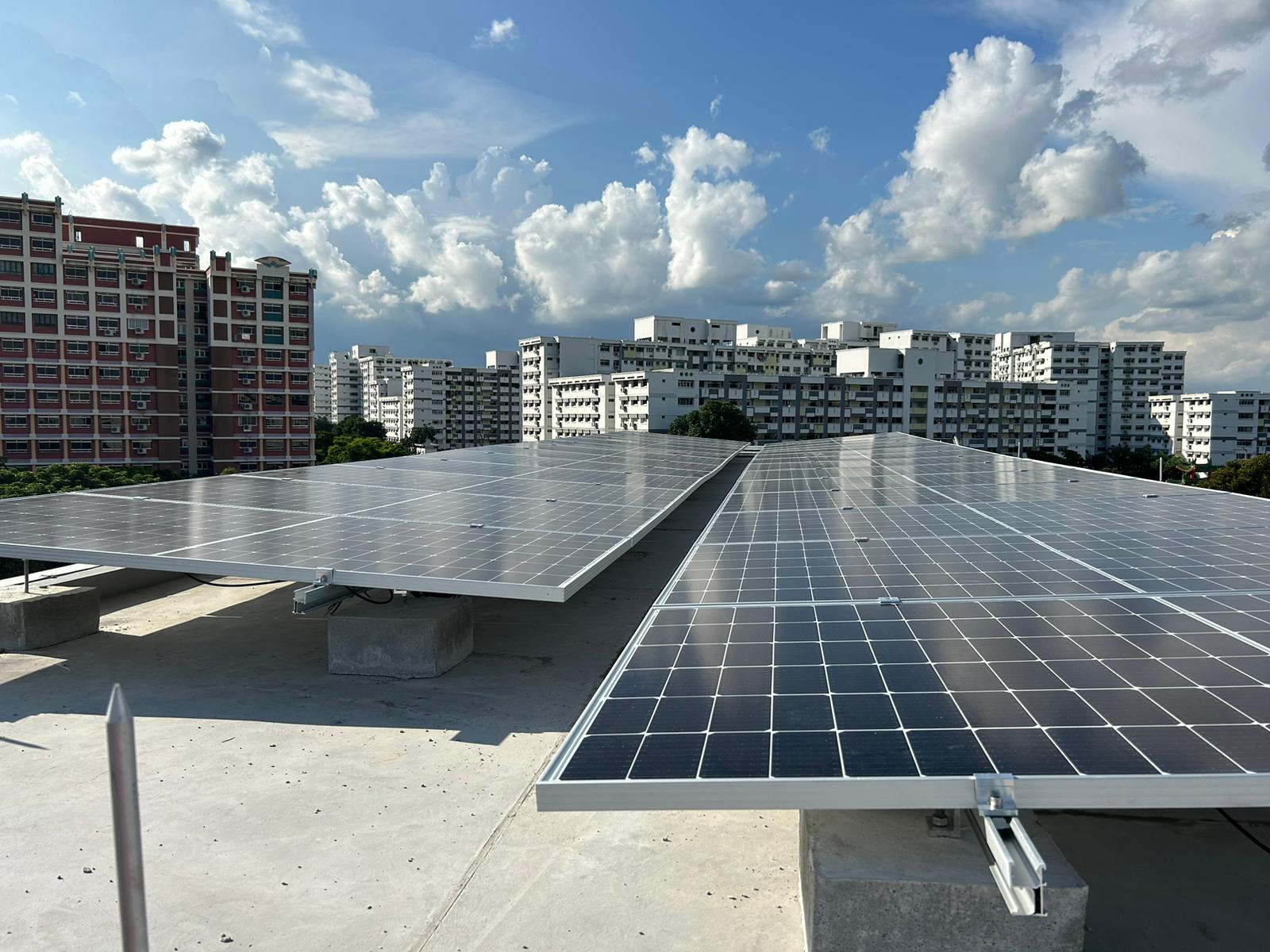
Powering Up the Lion City: A Comprehensive Guide to Solar Panel Installation Costs in Singapore
Singapore, a bustling metropolis known for its innovation and commitment to sustainability, is increasingly looking to the sun to power its future. With ambitious targets set under the Singapore Green Plan 2030, solar energy is at the forefront of the nation’s energy transition. While the benefits of harnessing solar power – from reducing carbon footprints to enjoying significant long-term electricity savings – are clear, prospective adopters often grapple with one major question: "What is the actual cost of installing solar panels in Singapore?"
This comprehensive guide aims to demystify the financial aspects of solar panel installation in the Lion City. We’ll delve into the various components that make up the total cost, provide average price ranges for different property types, explore the financial incentives available, and offer insights into the return on investment.
The Irresistible Lure of Solar in Singapore: Why Go Solar?
Before diving into the numbers, it’s worth reiterating why solar energy is such a compelling option in Singapore:
- High Electricity Tariffs: Singapore boasts some of the highest electricity prices in Southeast Asia. Generating your own power significantly reduces reliance on grid electricity, leading to substantial savings.
- Abundant Sunshine: Located near the equator, Singapore enjoys consistent and ample sunshine throughout the year, making it an ideal location for solar power generation.
- Environmental Stewardship: Contribute directly to Singapore’s climate goals and reduce your carbon footprint, fostering a greener environment for future generations.
- Energy Independence and Security: Reduce vulnerability to fluctuating energy prices and enhance your property’s energy resilience.
- Increased Property Value: Homes and businesses with solar installations are increasingly viewed as modern, energy-efficient, and more attractive to potential buyers or tenants.
- Government Push: Singapore’s government actively supports solar adoption through various initiatives, streamlining processes and encouraging innovation in the sector.
Deconstructing the Cost: What Influences Solar Panel Installation Prices?
The total cost of a solar panel system is not a single figure but a sum of several components and influencing factors. Understanding these elements is crucial for accurate budgeting:
1. System Size (kWp – kilowatt-peak)
This is perhaps the most significant factor. System size refers to the maximum power output of your solar array under ideal conditions. It’s typically measured in kilowatt-peak (kWp). Larger systems naturally cost more in absolute terms but often have a lower cost per kWp due to economies of scale. Your ideal system size depends on your electricity consumption, available roof space, and budget.
2. Equipment Costs
-
Solar Panels (Modules): The panels themselves are a major component.
- Monocrystalline: Most common, highest efficiency, sleek black appearance. Generally more expensive per panel but require less space for the same output.
- Polycrystalline: Slightly lower efficiency, blue appearance, more budget-friendly. Less common in Singapore due to space constraints.
- PERC (Passivated Emitter Rear Cell) & Half-Cut Cell Technology: These are advancements in panel technology that boost efficiency, even for monocrystalline panels, offering better performance in shaded conditions or high temperatures.
- Brand: Reputable brands (e.g., LG, SunPower, JinkoSolar, Trina Solar, JA Solar) come with longer warranties and proven reliability but might have a higher upfront cost.
-
Inverters: Convert the DC electricity from panels into AC electricity usable by your home or business.
- String Inverters: Most common for residential. One inverter for multiple strings of panels. Cost-effective but performance can be impacted if one panel is shaded.
- Microinverters: One inverter per panel. More expensive but optimize each panel independently, better for shaded roofs, and offer panel-level monitoring.
- Hybrid Inverters: Combine the functions of a solar inverter and a battery inverter, allowing for battery storage integration.
-
Mounting System (Racking): Secures the panels to your roof. The type of roof (pitched tile, flat concrete, metal deck) will dictate the mounting system and its complexity, impacting cost.
-
Cabling & Electrical Components: Includes wiring, conduits, circuit breakers, isolators, and other essential electrical hardware. Quality and safety standards are paramount here.
-
Battery Storage (Optional but Growing): While not always included in the initial solar PV system, battery storage (e.g., Tesla Powerwall, LG Chem) is gaining popularity for energy independence, blackout protection, and maximizing self-consumption. It significantly adds to the total cost but offers enhanced benefits.
-
Monitoring System: Allows you to track your system’s performance, energy production, and consumption via a mobile app or web portal. Often included with modern inverters.
3. Installation Labor & Expertise
This covers the cost of skilled technicians and electricians to design, install, and commission the system safely and efficiently. Labor costs vary based on:
- Roof Complexity: Steep roofs, multiple angles, or obstructions increase labor time and risk.
- Accessibility: Scaffolding or specialized equipment might be needed for hard-to-reach areas.
- Contractor Experience: Reputable installers with a proven track record might charge more but offer peace of mind, better warranties, and higher quality workmanship.
4. Permitting, Approvals & Grid Connection
Singapore has a stringent regulatory framework to ensure safety and quality. These costs cover:
- Professional Engineer (PE) Endorsement: Required for structural integrity checks and system design approval.
- Building and Construction Authority (BCA) Approval: For structural safety.
- Energy Market Authority (EMA) Approval: For grid connection.
- SP Group Application Fees: For connecting to the national grid and setting up net metering.
- Licensed Electrical Worker (LEW) Fees: For electrical safety checks and certification.
5. Other Factors
- Warranty: Longer product and workmanship warranties (e.g., 25 years for panels, 10-12 years for inverters) provide greater assurance but might be reflected in the price.
- After-Sales Service & Maintenance: Some installers include initial maintenance packages or offer ongoing service plans.
Average Solar Panel Installation Costs in Singapore by Property Type
It’s challenging to give exact figures due to the myriad of variables, but here are general cost ranges (as of late 2023 / early 2024) to help you budget. These figures are estimates for grid-tied systems without battery storage, which would add substantially to the cost.
General Rule of Thumb: The cost per kWp tends to decrease as the system size increases, due to economies of scale.
1. HDB Flats (High-Rise Public Housing)
While direct rooftop installation for individual HDB units is not common due to shared common property rules, HDB blocks as a whole are increasingly being outfitted with solar panels under programs like the SolarNova programme. For individual units, balcony solar solutions are emerging, but these are typically small-scale and less efficient than rooftop systems.
- Balcony Solar (small scale, 0.3-0.8 kWp): S$1,500 – S$4,000 (often DIY-friendly with simpler installation, less regulatory hurdles for small systems, but limited power output). These usually don’t involve grid export and are primarily for self-consumption.
2. Landed Homes (Terrace, Semi-Detached, Detached)
Landed properties offer the most straightforward path to solar adoption for homeowners, with ample roof space.
-
Small System (3-5 kWp): Suitable for smaller homes or those with moderate electricity consumption.
- Cost Range: S$15,000 – S$25,000
- Average Cost per kWp: S$4,500 – S$5,500 per kWp
-
Medium System (5-8 kWp): Most common for average-sized landed homes.
- Cost Range: S$25,000 – S$38,000
- Average Cost per kWp: S$4,000 – S$5,000 per kWp
-
Large System (8-12 kWp+): For larger homes, those with high energy demands (e.g., multiple air-conditioning units, pool pumps), or those aiming for near net-zero consumption.
- Cost Range: S$38,000 – S$55,000+
- Average Cost per kWp: S$3,800 – S$4,800 per kWp
Note: These prices are for standard monocrystalline systems with string inverters. Adding microinverters or premium panels could increase costs by 10-20%. Battery storage could add another S$10,000 – S$25,000+ depending on capacity.
3. Commercial & Industrial (C&I) Properties
C&I installations vary widely depending on the scale, from small shophouses to massive factory rooftops. They often benefit from greater economies of scale.
-
Small Commercial (10-30 kWp):
- Cost Range: S$35,000 – S$90,000
- Average Cost per kWp: S$3,000 – S$3,800 per kWp
-
Medium Commercial/Industrial (30-100 kWp):
- Cost Range: S$90,000 – S$300,000
- Average Cost per kWp: S$2,800 – S$3,500 per kWp
-
Large Industrial (>100 kWp):
- Cost Range: S$250,000+
- Average Cost per kWp: S$2,000 – S$3,000 per kWp (can go lower for very large utility-scale projects)
Commercial projects often have more complex structural requirements and electrical infrastructure, which can influence the final cost.
Financial Incentives and Support in Singapore
Unlike some countries that offer direct cash grants for residential solar, Singapore’s incentives are more focused on long-term savings and facilitating adoption.
-
Net Metering (Enhanced Central Intermediary Scheme – ECIS): This is the most significant financial incentive for residential and small commercial users.
- Operated by SP Group, net metering allows you to sell excess electricity generated by your solar panels back to the grid.
- When your solar panels produce more electricity than you consume, the surplus is exported, and you receive credit on your electricity bill at the prevailing electricity tariff rate.
- When your consumption exceeds production, you draw from the grid, paying the standard tariff.
- This scheme effectively allows your solar system to act as a "virtual battery" with the grid, maximizing your financial savings.
-
Green Loans and Financing: Many local banks (DBS, OCBC, UOB) offer attractive "green loans" or sustainability-linked financing options for homeowners and businesses investing in energy-efficient solutions, including solar panels. These often come with preferential interest rates or longer repayment periods.
-
No GST for Residential Solar: The installation of solar panels for residential use is generally exempt from Goods and Services Tax (GST) in Singapore, further reducing the upfront cost.
-
Tax Benefits for Businesses: Commercial and industrial entities may be able to claim capital allowances for solar PV systems, reducing their taxable income.
Return on Investment (ROI) and Payback Period
Calculating the ROI and payback period is crucial for evaluating the financial viability of a solar investment.
-
Payback Period: This is the time it takes for your cumulative electricity bill savings to offset the initial installation cost.
- Calculation: Total Installation Cost / (Annual Electricity Savings + Annual Net Metering Credits)
- Typical Range in Singapore: For residential systems, the payback period typically ranges from 4 to 8 years, heavily dependent on system size, electricity consumption patterns, and future electricity tariff changes. Commercial systems often have slightly shorter payback periods due to larger savings and potential tax benefits.
-
Return on Investment (ROI): Over the 25+ year lifespan of solar panels, the long-term ROI can be very attractive. After the payback period, the electricity generated is essentially free, leading to significant net savings. Many systems offer an internal rate of return (IRR) comparable to or exceeding traditional investments.
Factors Affecting Payback and ROI:
- Initial Cost: A lower upfront cost shortens the payback.
- Electricity Consumption: Higher consumption means greater savings from self-generated power.
- System Performance: Efficiency of panels, inverter, and minimal shading contribute to higher energy output.
- Electricity Tariffs: Rising electricity prices shorten the payback period as savings become more valuable.
- Maintenance: Minimal maintenance costs improve ROI.
The Installation Process: What to Expect
A typical solar panel installation in Singapore follows these steps:
- Site Assessment & Quotation: A solar installer will evaluate your roof space, orientation, shading, structural integrity, and electricity consumption to design a suitable system and provide a detailed quote.
- Design & Engineering: Based on the assessment, a detailed system design is created, including panel layout, electrical schematics, and structural calculations (often requiring a Professional Engineer’s endorsement).
- Permitting & Approvals: The installer will handle the necessary applications to BCA, EMA, and SP Group for structural approval, grid connection, and electrical safety. This phase can take several weeks.
- Procurement & Logistics: Once approvals are granted, the equipment is ordered and delivered to your site.
- Installation: This is the physical installation of mounting hardware, solar panels, inverters, and electrical wiring. For a typical landed home, this usually takes 2-5 days.
- Inspection & Commissioning: A Licensed Electrical Worker (LEW) inspects the system to ensure it meets safety standards. SP Group then connects your system to the national grid and installs a bidirectional meter for net metering.
- Monitoring & Handover: The system is switched on, and you’ll be shown how to monitor its performance. You’ll receive all relevant documentation and warranties.
Choosing the Right Solar Installer in Singapore
Selecting a reputable and experienced installer is paramount for a successful and safe solar investment. Look for:
- Accreditation & Licenses: Ensure they have the necessary licenses (e.g., BCA Builder’s License, relevant electrical contractor licenses) and employ qualified LEWs and PEs.
- Experience & Track Record: Look for installers with a proven portfolio of projects in Singapore, particularly for your property type.
- Reputation & Reviews: Check online reviews, testimonials, and ask for references.
- Warranty & After-Sales Service: Understand the warranties offered for panels, inverters, and workmanship. Inquire about maintenance packages.
- Transparency: A good installer will provide a clear, detailed quote with no hidden costs and explain the process thoroughly.
- Insurance: Ensure they have adequate insurance coverage.
- Multiple Quotes: Always obtain at least 2-3 quotes from different reputable installers to compare pricing, system designs, and offerings.
The Future is Bright: Solar’s Outlook in Singapore
The cost of solar technology has consistently decreased over the past decade, making it increasingly accessible. Coupled with Singapore’s rising electricity prices and strong governmental push towards sustainability, solar energy is poised for significant growth. Innovations in battery storage, smart home integration, and more efficient panel technologies will only further enhance its appeal.
Conclusion: An Investment in a Sustainable Future
Investing in solar panel installation in Singapore is a significant financial decision, but it’s one with profound long-term benefits. While the upfront costs can seem substantial, understanding the breakdown, leveraging net metering, and appreciating the long-term savings and environmental impact reveals a compelling value proposition.
By carefully researching, obtaining multiple quotes from reputable installers, and considering the specific needs of your property, you can embark on a journey towards energy independence, contribute to Singapore’s green future, and enjoy the tangible financial rewards that come with harnessing the power of the sun. The cost of going solar today is an investment not just in your property, but in a more sustainable and resilient Singapore.