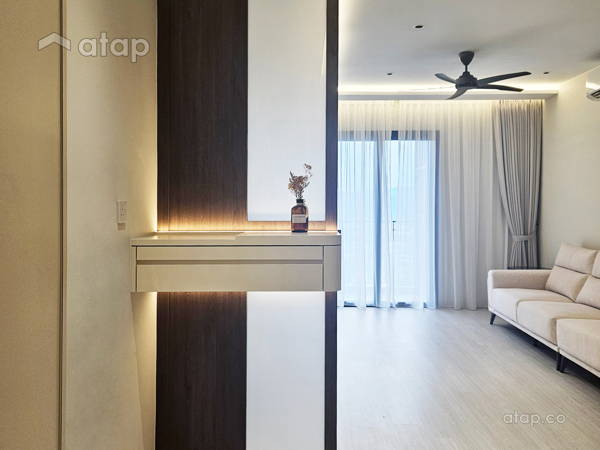
The Art of Investment: Demystifying Interior Design Services Prices in Malaysia
Malaysia, a vibrant tapestry of cultures, modern architecture, and lush landscapes, is experiencing a burgeoning demand for sophisticated interior design. From bustling city apartments in Kuala Lumpur to serene beachfront villas in Penang, and innovative commercial spaces across the nation, Malaysians are increasingly recognizing the profound impact of well-designed environments. However, for many embarking on this journey, the question that often looms largest is: "How much does interior design services cost in Malaysia?"
Navigating the pricing landscape of interior design can feel like deciphering a complex code. Unlike a fixed-price commodity, the cost of interior design services is highly fluid, influenced by a myriad of factors unique to each project and designer. This comprehensive guide aims to demystify the pricing structures, illuminate the value proposition, and equip you with the knowledge to make informed decisions when investing in interior design services in Malaysia.
The Irrefutable Value of Professional Interior Design
Before delving into figures, it’s crucial to understand why engaging an interior designer is an investment, not merely an expense. A professional interior designer brings a wealth of expertise that transcends mere aesthetics:
- Optimized Functionality & Space Planning: Designers are masters of spatial relationships, ensuring every square foot is utilized efficiently, enhancing flow and practicality.
- Aesthetic Cohesion & Vision: They translate your vague ideas into a cohesive, aesthetically pleasing reality, reflecting your personality or brand identity.
- Cost & Time Efficiency: By preventing costly mistakes, leveraging trade discounts, and managing timelines, designers often save clients money and stress in the long run.
- Access to Resources & Network: Designers have established relationships with trusted contractors, suppliers, and artisans, ensuring quality execution and unique sourcing.
- Increased Property Value: A professionally designed interior can significantly enhance a property’s market appeal and resale value.
- Stress Reduction: From conceptualization to completion, designers handle the complexities, allowing clients to enjoy the creative process without the burden of day-to-day management.
- Problem-Solving Expertise: They anticipate and resolve design challenges before they become expensive issues.
Understanding this intrinsic value is the first step in appreciating the cost associated with these specialized services.
Key Factors Influencing Interior Design Service Prices in Malaysia
The cost of interior design services in Malaysia is not a one-size-fits-all figure. It’s a dynamic sum shaped by several critical elements:
1. Scope and Complexity of the Project
This is arguably the most significant determinant.
- Full Renovation vs. Styling: A complete overhaul involving structural changes, new plumbing, electrical work, and bespoke furniture will naturally cost more than a simple re-styling project (e.g., furniture arrangement, decor selection, paint refresh).
- New Build vs. Existing Space: Designing a new property often allows for greater freedom but can involve more comprehensive planning. Renovation of an existing space might include demolition, structural alterations, and dealing with existing limitations, adding to complexity.
- Number of Rooms/Areas: A single room design will be less expensive than designing an entire house, apartment, or multi-floor commercial space.
- Level of Customization: Projects requiring bespoke furniture, custom built-ins, or unique architectural features demand more design time and expertise than those utilizing off-the-shelf items.
2. Project Size (Square Footage)
While not always a direct linear relationship, larger spaces generally require more design work, planning, and supervision. Commercial projects, such as offices, retail spaces, or hospitality venues, often command higher fees due to their scale, specialized requirements (e.g., compliance, heavy foot traffic durability), and more complex functional needs compared to residential projects.
3. Designer’s Experience, Reputation, and Firm Size
- Experience Level: A junior designer or a fresh graduate might charge less than a seasoned professional with years of award-winning projects under their belt.
- Reputation & Portfolio: Highly sought-after designers or firms with extensive portfolios of high-profile projects often command premium fees due to their proven track record, unique design philosophy, and brand recognition.
- Firm Size: Boutique studios might offer more personalized services, while larger firms may have a broader team, specialized departments, and the capacity for larger-scale projects, often reflected in their pricing.
4. Level of Service and Deliverables
What exactly is included in the design package?
- Basic Consultation: May involve initial advice, mood boards, and preliminary layouts.
- Concept Design: Includes detailed mood boards, material palettes, 2D layouts, and some 3D visuals.
- Full Design & Project Management: Encompasses everything from concept to detailed construction drawings, material sourcing, furniture selection, procurement, site supervision, and final styling. The more comprehensive the service, the higher the fee.
- 3D Renderings: High-quality realistic 3D renderings require significant time and specialized software, often adding to the cost.
5. Materials and Finishes Specification
While the cost of materials themselves is separate from the design service fee, the specification of high-end, imported, or bespoke materials requires more research, sourcing time, and detailed documentation from the designer, potentially influencing their fee structure.
6. Location within Malaysia
While less impactful on the design fee itself compared to the other factors, designers operating in prime urban centers like Kuala Lumpur, Johor Bahru, or Penang might have slightly higher overheads or demand higher rates due to market conditions. More significantly, the cost of contractors and materials can vary considerably between states and regions.
7. Project Timeline and Urgency
Rush projects that demand expedited timelines often incur additional charges as designers may need to prioritize your project over others, work overtime, or allocate more resources.
Common Fee Structures for Interior Design Services in Malaysia
Interior designers in Malaysia typically employ several methods to charge for their services, or often, a hybrid approach:
1. Hourly Rate
- How it works: The designer charges a fixed hourly rate for their time spent on your project. This includes consultations, design work, sourcing, meetings, and site visits.
- Typical Range in Malaysia: RM 80 to RM 300+ per hour, depending on the designer’s experience and reputation.
- Pros: Transparent for small, well-defined tasks; you only pay for the time used.
- Cons: Can be unpredictable for larger projects; difficult to budget precisely if the scope changes or unforeseen issues arise.
- Best for: Small projects, consultations, specific problem-solving, or when the client wants to be heavily involved in managing other aspects.
2. Flat Fee / Project-Based Fee
- How it works: A single, all-inclusive fee is quoted for the entire project scope, agreed upon before work begins. This fee is calculated based on the estimated hours, complexity, and deliverables.
- Pros: Predictable budgeting for the client; clear understanding of total design cost.
- Cons: Less flexible if the scope significantly changes; requires a very detailed initial brief to avoid disputes.
- Best for: Well-defined projects with a clear scope and deliverables (e.g., designing a specific room, a small office).
3. Percentage of Total Project Cost
- How it works: The designer charges a percentage of the overall project budget, which typically includes renovation, furniture, and fittings.
- Typical Range in Malaysia: 8% to 20% of the total project cost. For instance, if your total renovation and furnishing budget is RM100,000, the design fee could be RM8,000 to RM20,000.
- Pros: Aligns the designer’s interest with the client’s budget (as higher quality often means higher cost, leading to higher fees); flexible for projects where the scope might evolve.
- Cons: The client needs a clear understanding of the overall project budget early on; can be perceived as less transparent if the designer receives kickbacks from suppliers (though reputable designers prioritize client interest).
- Best for: Larger, more complex projects like full home renovations or commercial spaces where the total budget is substantial.
4. Cost-Plus / Markup (for Procurement)
- How it works: Designers charge a markup on the cost of furniture, fixtures, and materials they procure on behalf of the client. They might get trade discounts from suppliers and pass some or all of the savings to the client, while taking a percentage as their fee.
- Typical Markup: 10% to 30% above trade cost.
- Pros: Clients gain access to trade discounts and the designer handles all procurement logistics.
- Cons: Can lack transparency if not clearly outlined; clients might question the actual cost of items.
- Best for: Clients who want the designer to handle all sourcing and purchasing, leveraging their network. Often used in conjunction with other fee structures.
5. Hybrid Models
Most designers in Malaysia use a combination of these methods. For example, a flat fee for the design phase, an hourly rate for additional consultations, and a markup for procurement. Always ask for a clear breakdown in the proposal.
Typical Price Ranges for Interior Design Services in Malaysia (Estimates)
It’s crucial to preface these figures with a strong disclaimer: These are rough estimates and can vary dramatically based on all the factors mentioned above. Always request a detailed quote tailored to your specific project.
A. Initial Consultation
- Free to RM 500+: Many designers offer a free initial consultation to discuss your needs and assess the project scope. More in-depth consultations (e.g., a few hours with preliminary advice) might be charged.
B. Residential Projects (Design Fees Only)
These figures represent the designer’s service fee and do not include the cost of renovation, furniture, materials, or contractor fees.
- Basic Design Package (e.g., Space planning, mood board, material selection):
- RM 3 – RM 8 per square foot (sqft)
- Flat fee: RM 3,000 – RM 15,000+ per room/area, depending on complexity.
- Full Design & Project Management Package (Comprehensive services for a typical apartment/house):
- RM 8 – RM 25+ per square foot (sqft)
- For a 1,000 sqft apartment, this could translate to RM 8,000 – RM 25,000+ for design fees alone.
- For a larger house (2,000 – 3,000 sqft), it could range from RM 16,000 – RM 75,000+.
C. Commercial Projects (Design Fees Only)
Commercial projects generally have higher design fees due to specialized requirements, larger scale, and regulatory compliance.
- Office, Retail, F&B: RM 10 – RM 40+ per square foot (sqft)
- For a 1,500 sqft office, design fees could range from RM 15,000 to RM 60,000+.
D. Total Project Cost (Design + Renovation + Furniture)
While this article focuses on service fees, it’s helpful to have a ballpark idea of the overall investment. Again, these are extremely broad estimates.
- Small Condo Refresh (minimal renovation, basic furnishings): RM 30,000 – RM 80,000
- Mid-Range Apartment Renovation (moderate changes, good quality furnishings): RM 80,000 – RM 250,000
- Luxury Home / Extensive Renovation (bespoke elements, high-end materials): RM 250,000 – RM 1,000,000+
- Commercial Fit-out: RM 50,000 – RM 1,000,000+ depending on size and industry.
Remember: The design fee is typically a fraction of the total project cost, but it’s the investment that ensures the rest of your budget is spent wisely and effectively.
What to Expect in an Interior Design Service Package
A comprehensive interior design service package typically includes:
- Initial Consultation & Briefing: Understanding your needs, budget, lifestyle, and aesthetic preferences.
- Site Analysis & Measurement: Detailed assessment of the existing space.
- Concept Development: Mood boards, material palettes, preliminary sketches to establish the overall design direction.
- Space Planning: Detailed floor plans showing furniture layout, traffic flow, and functional zones.
- Design Development: Refined plans, elevations, and sections.
- Material & Finishes Selection: Specification of all surfaces, fabrics, and decorative elements.
- Lighting Design: Plan for ambient, task, and accent lighting.
- Custom Furniture Design: If required, detailed drawings for bespoke pieces.
- 3D Visualizations/Renderings: Realistic images to help you visualize the final outcome.
- Technical Drawings: Detailed drawings for contractors (e.g., electrical, plumbing, ceiling plans, built-in joinery).
- Procurement Assistance: Sourcing and purchasing furniture, fixtures, and equipment (FF&E).
- Project Management & Site Supervision: Overseeing the renovation works to ensure adherence to design intent and quality standards.
- Styling & Staging: Final placement of decor, artwork, and accessories.
Not all packages include all these elements, so it’s vital to clarify what your chosen service covers.
Budgeting for Interior Design Services
- Define Your Total Project Budget: Before approaching designers, have a clear idea of how much you are willing to spend on the entire project (design, renovation, furniture, decor).
- Allocate Design Fees: As a general rule of thumb, expect to allocate 10-20% of your total project budget for design services. For highly customized or complex projects, this could go higher.
- Be Transparent: Share your budget openly with potential designers. This allows them to tailor their proposals and design solutions to fit your financial parameters.
- Contingency Fund: Always set aside 10-15% of your total budget for unforeseen circumstances or desired upgrades during the project.
Choosing the Right Interior Designer in Malaysia
Beyond price, selecting the right designer is paramount for a successful outcome:
- Review Portfolio: Does their style align with your vision? Do they have experience with similar projects?
- Check References & Testimonials: What do previous clients say about their professionalism, communication, and project management?
- Communication & Chemistry: A good designer relationship is built on trust and clear communication. Do you feel comfortable and understood?
- Detailed Proposal & Contract: Ensure the proposal clearly outlines the scope of work, deliverables, fee structure, payment schedule, and terms and conditions.
- Transparency: A reputable designer will be transparent about their fees, procurement methods, and any potential markups.
- Professional Affiliations: While not mandatory, membership in professional bodies like the Malaysian Institute of Interior Designers (MIID) can indicate adherence to professional standards.
Conclusion: An Investment in Lifestyle and Well-being
Investing in professional interior design services in Malaysia is a strategic decision that extends far beyond aesthetics. It’s an investment in functionality, comfort, efficiency, and ultimately, your quality of life or business success. While the price range can be broad and intimidating at first glance, understanding the influencing factors, fee structures, and the immense value a designer brings can empower you to approach the process with confidence.
By carefully considering your needs, budget, and the expertise offered by various designers, you can find a professional partner who will transform your space into a reflection of your dreams, ensuring every ringgit spent contributes to a beautifully designed, functional, and enduring environment. Don’t shy away from asking detailed questions, comparing proposals, and seeking clarity – your ideal space is worth the effort.