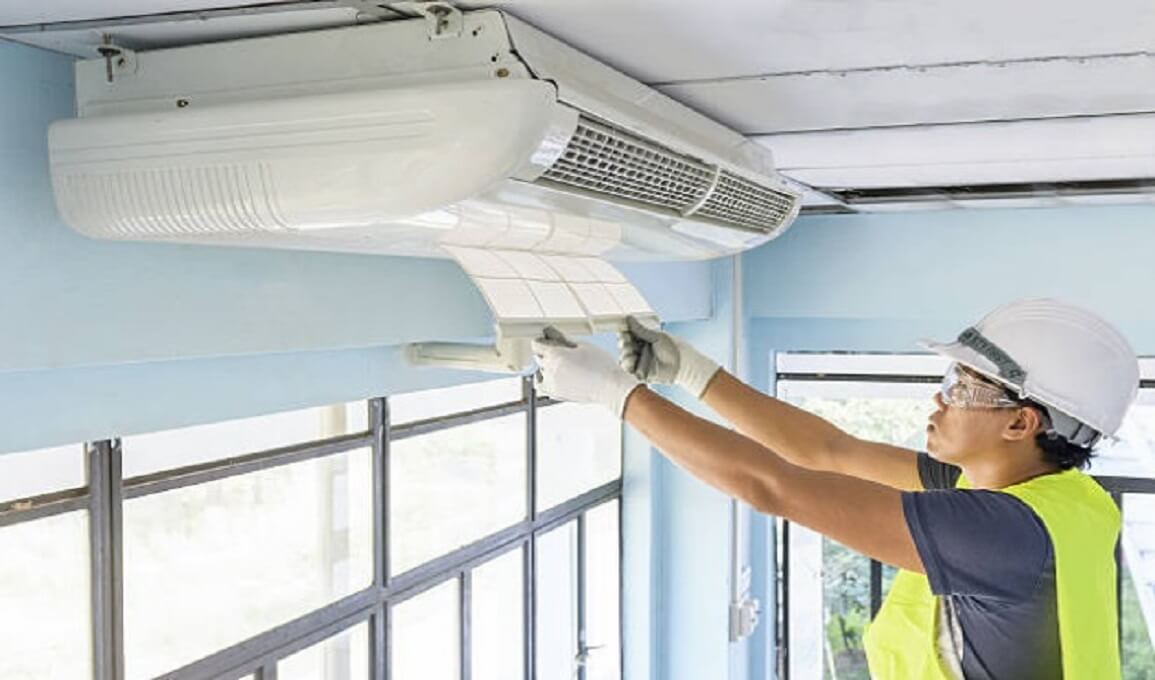
The Cool Comfort of the Lion City: A Comprehensive Guide to Air Conditioning Installation in Singapore
Singapore, a vibrant island nation nestled just one degree north of the equator, experiences a tropical rainforest climate characterized by high temperatures, abundant humidity, and frequent rainfall throughout the year. While this climate fosters lush greenery and supports a diverse ecosystem, it also makes air conditioning an indispensable necessity rather than a luxury for residents and businesses alike. From towering skyscrapers to cozy HDB flats, efficient air conditioning systems are the silent heroes that ensure comfort, productivity, and well-being across the city-state.
The demand for reliable and professional air conditioning installation services in Singapore is consistently high. However, navigating the myriad of options, understanding technical specifications, adhering to local regulations, and choosing the right contractor can be a complex endeavor. This comprehensive guide aims to demystify the process, offering insights into everything you need to know about air conditioning installation in Singapore, from system types and pre-installation considerations to the actual installation process, regulatory frameworks, and post-installation care.
The Indispensable Role of Air Conditioning in Singapore
The pervasive heat and humidity in Singapore make air conditioning crucial for several reasons:
- Comfort and Quality of Life: Without AC, indoor environments can become sweltering and uncomfortable, leading to restless nights, reduced concentration, and overall discomfort. Air conditioning provides a cool, dry haven from the oppressive outdoor climate.
- Productivity and Performance: In offices, schools, and homes, a comfortable indoor temperature is directly linked to enhanced productivity, better focus, and improved learning outcomes. Overheated environments can lead to fatigue and decreased efficiency.
- Health and Well-being: High humidity can foster the growth of mold, mildew, and dust mites, which can trigger allergies and respiratory issues. Air conditioning, especially units with dehumidifying functions, helps maintain healthier indoor air quality. It also prevents heat stress and related health problems.
- Preservation of Property: High humidity can also damage electronics, furniture, and other household items. Air conditioning helps to control moisture levels, thereby protecting valuable assets.
Given these factors, investing in a properly installed and well-maintained air conditioning system is a critical decision for anyone living or working in Singapore.
Types of Air Conditioning Systems Popular in Singapore
The choice of AC system depends largely on the space, budget, and specific cooling needs. Here are the most common types found in Singapore:
-
Split System Air Conditioners:
- Description: This is the most prevalent type for residential and small commercial spaces. It consists of two main units: an indoor unit (evaporator) that blows cool air into the room and an outdoor unit (condenser) that dissipates heat outside.
- Variations:
- Wall-Mounted Split: The most common, installed high on a wall.
- Cassette Split: Recessed into the ceiling, distributing air in multiple directions, often seen in larger rooms or commercial spaces.
- Ducted Split: Hidden above a false ceiling, distributing cool air through a network of ducts and vents, offering a discreet aesthetic.
- Pros: Energy efficient (especially inverter models), quiet operation indoors, individual room temperature control.
- Cons: Requires drilling for refrigerant lines and drainage, outdoor unit placement can be a challenge in some HDBs/condos.
-
Multi-Split System Air Conditioners (MRU – Multi-Refrigerant Unit):
- Description: Similar to a split system but allows multiple indoor units (up to 5 or more) to be connected to a single outdoor unit. Each indoor unit can be controlled independently.
- Pros: Space-saving (only one outdoor unit), aesthetic appeal (fewer visible outdoor units), energy efficient for cooling multiple rooms simultaneously.
- Cons: If the outdoor unit fails, all connected indoor units cease to function; initial installation cost can be higher than multiple single split systems. This is very popular in HDBs and condos in Singapore.
-
VRV/VRF Systems (Variable Refrigerant Volume/Flow):
- Description: Primarily used in larger commercial buildings, offices, and high-end residential properties. These systems can connect a large number of indoor units to a single outdoor unit, offering advanced control over individual zones and superior energy efficiency.
- Pros: Highly energy-efficient, excellent zoning capabilities, can provide simultaneous heating and cooling in different zones, long piping runs possible.
- Cons: High initial investment, complex installation and maintenance, generally overkill for standard residential use.
-
Centralized Ducted Systems:
- Description: A single large outdoor unit cools air, which is then distributed throughout the entire building via a network of ducts and vents. Common in larger homes and commercial buildings with dedicated plant rooms.
- Pros: Discreet appearance (only vents are visible), uniform cooling across the entire space.
- Cons: Higher initial cost, less individual room control than multi-splits, if the system fails, the entire building loses cooling.
-
Window and Portable Air Conditioners:
- Description: Less common in Singapore due to aesthetic and efficiency reasons, but still available. Window units are self-contained and fit into a window opening, while portable units are movable and vent hot air through a hose.
- Pros: Low initial cost, easy installation (portable), no outdoor unit needed (window).
- Cons: Noisy, less energy efficient, obstructs views (window), limited cooling capacity, often require window modifications.
Pre-Installation Considerations: Laying the Groundwork for Success
Before any drilling or wiring begins, a thorough assessment and planning phase are crucial to ensure optimal performance, energy efficiency, and compliance with regulations.
-
Sizing the Air Conditioner (BTU Calculation):
- This is perhaps the most critical step. An undersized unit will struggle to cool the space, run constantly, and consume excessive energy. An oversized unit will cycle on and off too frequently (short-cycling), leading to poor dehumidification, uneven cooling, and premature wear.
- Factors influencing BTU (British Thermal Units) requirements: Room size (length x width), ceiling height, number of windows, amount of direct sunlight, insulation quality, number of occupants, and heat-generating appliances (computers, TVs).
- A professional installer will conduct a heat load calculation to determine the precise BTU needed for each room.
-
Unit Placement (Indoor and Outdoor):
- Indoor Units: Should be placed where they can distribute cool air evenly, away from direct sunlight, and without obstruction. Consideration must be given to condensate drainage.
- Outdoor Units: Need ample space for airflow around them to dissipate heat efficiently. They should be placed on a sturdy, level surface, away from bedrooms (due to potential noise), and where they are accessible for maintenance. In Singapore, HDB and condo regulations often dictate specific locations and mounting methods for outdoor units.
-
Drainage System:
- Air conditioners generate condensate (water) during operation. A proper drainage system must be installed to safely channel this water away, typically into a nearby bathroom floor trap or an external drainage pipe. Incorrect drainage can lead to leaks, water damage, and mold growth.
-
Electrical Requirements:
- Air conditioners require dedicated electrical circuits to handle their power consumption. The existing electrical infrastructure must be assessed to ensure it can support the new AC units without overloading the system. This may involve upgrading circuit breakers or installing new wiring.
-
HDB/Condo Regulations and Management Approval:
- HDB (Housing & Development Board): Strict guidelines apply to AC installation, particularly regarding the placement of outdoor units, drilling through walls, and noise levels. Residents must adhere to these rules to avoid fines or requiring removal.
- Condominiums: Management corporations often have their own set of rules regarding AC installation, including approved contractors, designated areas for outdoor units, and specific aesthetic requirements. It’s imperative to obtain approval from the condo management before commencing work.
-
Budget and Brand Selection:
- Establish a realistic budget that includes the cost of the units, installation, and any necessary electrical or plumbing modifications.
- Research reputable brands known for reliability, energy efficiency (check MEPS ratings – more on this later), and good after-sales service in Singapore (e.g., Daikin, Mitsubishi Electric, Panasonic, LG, Midea).
The Air Conditioning Installation Process: A Step-by-Step Guide
A professional AC installation involves several critical steps that ensure the system operates efficiently, safely, and for its intended lifespan.
-
Site Survey and Planning:
- The contractor will visit your premises to assess the space, conduct heat load calculations, determine optimal unit placements, plan piping and drainage routes, and identify any potential challenges. A detailed proposal and quotation will then be provided.
-
Mounting Indoor Units:
- The indoor units are carefully mounted on the designated wall or ceiling location. This involves ensuring the mounting bracket is level and securely fastened to the structure.
-
Installing Outdoor Units:
- Outdoor units are positioned on a sturdy platform or wall bracket, ensuring proper vibration dampening and adequate clearance for airflow. This step often requires specialized lifting equipment for larger units or units on higher floors.
-
Refrigerant Piping:
- High-quality copper tubing is cut, bent, and connected between the indoor and outdoor units. This piping carries the refrigerant that absorbs and releases heat. Proper insulation of the refrigerant lines is crucial to prevent energy loss and condensation. The pipes must be flared correctly to prevent leaks.
-
Drainage System Installation:
- PVC pipes are connected to the indoor units to channel condensate water away. These pipes must have a continuous downward slope to ensure gravity drainage and prevent water stagnation or backflow, which can lead to leaks.
-
Electrical Wiring:
- Electrical cables are run from the main power supply to both the indoor and outdoor units. This must be done by a qualified electrician, ensuring proper grounding, circuit protection, and adherence to Singapore’s electrical safety standards.
-
Vacuuming and Charging Refrigerant:
- Before charging the system with refrigerant, the entire piping system must be thoroughly vacuumed using a vacuum pump. This removes all moisture and non-condensable gases, which can severely impair the AC’s efficiency and longevity if left inside.
- Once vacuumed, the system is charged with the correct type and amount of refrigerant (e.g., R32, R410A) as specified by the manufacturer. Over- or under-charging can lead to poor performance and damage.
-
Testing and Commissioning:
- The installer will power on the system and conduct a series of tests:
- Leak Detection: Checking all connections for refrigerant leaks using specialized detectors.
- Temperature Differential: Measuring the temperature difference between the air entering and leaving the indoor unit to ensure effective cooling.
- Pressure Readings: Verifying refrigerant pressures are within optimal ranges.
- Drainage Check: Ensuring water drains properly without leaks.
- Noise and Vibration Check: Confirming smooth and quiet operation.
- The installer will also demonstrate the remote control functions and explain basic operation to the client.
- The installer will power on the system and conduct a series of tests:
-
Cleanup and Handover:
- The work area is cleaned, and all debris is removed. The contractor provides the client with a warranty, user manuals, and any necessary documentation.
Choosing the Right AC Installation Contractor in Singapore
The success and longevity of your air conditioning system heavily depend on the expertise of the installer. Choosing the right contractor is paramount.
- Experience and Expertise: Look for companies with a proven track record specifically in AC installation in Singapore. Experienced technicians understand local building structures, climate challenges, and regulatory nuances.
- Licenses and Certifications: Ensure the company and its technicians are properly licensed to perform electrical and refrigeration work. Reputable companies often have certifications from industry bodies or manufacturers.
- Reputation and Reviews: Check online reviews (Google, Facebook, local forums), ask for references, and inquire about their standing with relevant authorities. A good reputation is built on consistent quality and customer satisfaction.
- Transparency in Pricing: A reputable contractor will provide a detailed, itemized quotation that clearly breaks down costs for units, labor, materials, and any additional services. Beware of vague or unusually low quotes.
- Warranty and After-Sales Support: Inquire about the warranty offered on both the AC units (manufacturer’s warranty) and the installation workmanship. Good contractors stand behind their work and offer reliable after-sales service and maintenance packages.
- Safety Standards: Ensure the contractor adheres to all safety regulations, especially when working at heights or with electrical systems. This protects both the workers and your property.
- Knowledge of Local Regulations: The contractor should be well-versed in HDB/condo regulations, BCA (Building and Construction Authority) guidelines, and NEA (National Environment Agency) requirements.
Regulatory Landscape and Best Practices in Singapore
Singapore has a robust regulatory framework to ensure safety, quality, and environmental responsibility in the construction and building services sector, including AC installation.
- Building and Construction Authority (BCA): The BCA oversees building safety and quality. While they don’t directly license AC installers, they set standards for building structures, which impact where and how AC units can be mounted.
- National Environment Agency (NEA) – Energy Efficiency: The NEA promotes energy efficiency through the Minimum Energy Performance Standards (MEPS) for air conditioners. All new AC units sold in Singapore must display an energy label with a star rating (1-5 stars, 5 being the most efficient). It is highly recommended to choose units with higher star ratings to save on electricity bills in the long run.
- NEA – Refrigerant Handling: Proper handling and disposal of refrigerants are crucial to prevent ozone depletion and global warming. Installers must be knowledgeable about environmental regulations concerning refrigerants.
- Ministry of Manpower (MOM): MOM sets workplace safety and health standards. Contractors must comply with these regulations, especially for installations involving working at heights.
- HDB/Condominium Management: As mentioned, these bodies have specific rules that must be followed. Failing to do so can result in penalties or the need for costly reinstallation.
Common Challenges and How to Avoid Them
Even with careful planning, challenges can arise. Being aware of them can help you mitigate risks.
- Improper Sizing: Leads to inefficient cooling, high energy bills, and premature system failure. Avoid by: Engaging a professional for a proper heat load calculation.
- Poor Installation Workmanship: Can result in refrigerant leaks, water leaks, noisy operation, poor cooling, and reduced lifespan. Avoid by: Choosing a reputable and experienced contractor with good reviews.
- Inadequate Drainage: Causes water damage, mold growth, and unpleasant odors. Avoid by: Ensuring the installer creates a continuous slope for drainage and uses quality piping.
- Electrical Issues: Overloaded circuits, improper wiring, or insufficient power supply. Avoid by: Having a qualified electrician assess existing electrical infrastructure and perform all wiring.
- Ignoring Regulations: Fines, forced removal, or disputes with HDB/condo management. Avoid by: Ensuring your chosen contractor is aware of and adheres to all local regulations and obtains necessary approvals.
- Neglecting Maintenance: Reduces efficiency, increases energy consumption, leads to breakdowns, and shortens the AC’s lifespan. Avoid by: Scheduling regular professional servicing after installation.
Post-Installation Care and Maintenance
An air conditioning system is a significant investment, and its longevity and efficiency depend heavily on proper post-installation care and regular maintenance.
- Regular Servicing: Professional servicing, typically every 3-6 months in Singapore’s humid climate, is crucial. This includes:
- Cleaning of indoor and outdoor coils.
- Checking refrigerant levels and pressures.
- Cleaning and flushing drainage pipes to prevent blockages.
- Checking electrical connections.
- Lubricating moving parts.
- Inspecting for leaks and wear and tear.
- Cleaning Filters: Homeowners should regularly clean or replace the air filters (monthly or bi-monthly, depending on usage). Clogged filters restrict airflow, reduce efficiency, and compromise air quality.
- Checking Drainage: Periodically inspect the drainage pan and pipe for any signs of blockage or overflow.
- Professional vs. DIY: While basic filter cleaning can be done by homeowners, comprehensive servicing should always be left to qualified technicians. They have the tools and expertise to diagnose issues and perform tasks that ensure the system’s optimal performance and safety.
The Cost of AC Installation in Singapore
The cost of AC installation in Singapore can vary widely based on several factors:
- Type of AC System: Multi-split systems generally cost more than single-split systems for the same cooling capacity, though they offer long-term savings in outdoor unit space and potentially energy. VRV/VRF systems are the most expensive.
- Brand and Model: Premium brands with advanced features (e.g., smart controls, advanced filtration) will naturally cost more. Inverter models, while more expensive upfront, offer significant energy savings over time.
- BTU Capacity: Higher cooling capacity units cost more.
- Number of Units: More indoor units mean more piping, wiring, and labor, increasing the overall cost.
- Installation Complexity:
- Piping Length and Routing: Longer refrigerant pipes and more complex routes (e.g., through false ceilings or concealed in walls) increase material and labor costs.
- Drainage Solutions: If gravity drainage isn’t possible, a condensate pump might be required, adding to the cost.
- Electrical Work: Upgrading existing electrical circuits can incur additional charges.
- Mounting Challenges: Installations at height or in difficult-to-access locations.
- Dismantling Old Units: Removal and disposal of existing AC units will add to the cost.
- Contractor’s Fees: Different contractors will have varying labor rates, but beware of prices that seem too good to be true, as they may indicate compromises in quality or service.
A typical residential installation for a multi-split system in an HDB flat might range from SGD 3,000 to SGD 7,000 or more, depending on the number of units, brand, and complexity. This usually includes the units, standard piping, insulation, wiring, and basic installation. Always request a detailed quote to understand what is included.
Conclusion
Air conditioning installation in Singapore is a critical investment in comfort, health, and productivity. Given the nation’s tropical climate, a well-chosen and expertly installed AC system is not just a convenience but a necessity. By understanding the different types of systems available, meticulously planning the installation, adhering to local regulations, and most importantly, selecting a reputable and experienced contractor, you can ensure your air conditioning system provides reliable, energy-efficient, and long-lasting cool comfort for years to come. Do your research, ask the right questions, and prioritize quality workmanship for a truly refreshing indoor environment in the Lion City.