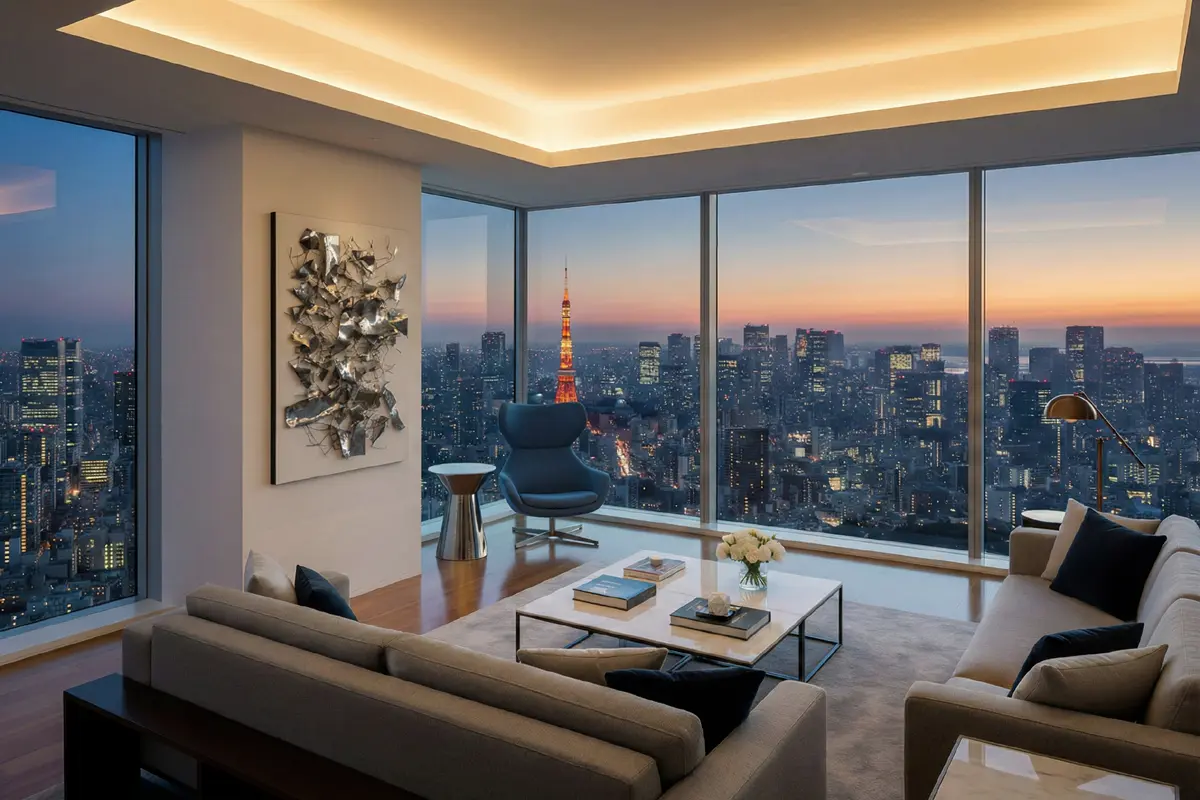
Unlocking Opportunities: A Comprehensive Guide to Tokyo Apartment Investment
Tokyo, a city that seamlessly blends ancient traditions with futuristic innovation, stands as a global economic powerhouse, a cultural beacon, and a magnet for talent and capital. For astute investors looking beyond traditional markets, the Tokyo apartment market presents a compelling, stable, and potentially lucrative opportunity. Its unique blend of robust economic fundamentals, a transparent legal system, and consistent demand for quality housing makes it a prime destination for real estate investment.
This comprehensive guide will delve deep into the intricacies of investing in Tokyo apartments, covering everything from market dynamics and property types to the investment process, associated costs, and critical considerations for foreign investors.
I. Why Tokyo? A Glimpse into a Resilient Market
Tokyo’s appeal as a real estate investment hub is multifaceted:
- Economic Stability and Growth: As the capital of the world’s third-largest economy, Tokyo boasts a diverse and resilient economic base. Home to numerous multinational corporations, a thriving startup scene, and a robust service sector, the city consistently attracts business and talent, underpinning strong housing demand.
- Population Dynamics: While Japan faces an overall aging and declining population, Tokyo continues to defy this trend. The metropolitan area sees a net inflow of residents, particularly young professionals and students, drawn by job opportunities and lifestyle. This sustained population growth ensures a steady demand for rental properties.
- Global City Status: Tokyo consistently ranks among the safest, cleanest, and most livable cities globally. Its world-class infrastructure, efficient public transportation, and rich cultural offerings make it an attractive destination for both residents and expatriates. Major events, like the recent Olympic Games, further cement its international standing.
- Low Interest Rates: Japan has maintained ultra-low interest rates for an extended period, which, while challenging for some aspects of the economy, can be advantageous for real estate investors, potentially offering favorable financing conditions for those who qualify.
II. The Compelling Case for Tokyo Apartment Investment
Investing in Tokyo apartments offers several distinct advantages:
- Steady Rental Yields: Compared to many other global gateway cities, Tokyo often provides relatively stable and attractive rental yields, particularly for well-located properties. Low vacancy rates are common in desirable areas, ensuring consistent rental income.
- Capital Appreciation Potential: While not prone to speculative booms and busts, prime Tokyo real estate has demonstrated steady capital appreciation over the long term. Strategic investments in areas undergoing revitalization or with high demand can yield significant returns upon sale.
- Safety and Stability: Japan’s robust legal framework, transparent property registration system, and low crime rates offer investors a high degree of security and peace of mind. Property rights are well-protected, and the market operates with clear regulations.
- High Demand for Rental Properties: A significant portion of Tokyo’s population, especially young professionals, students, and expatriates, prefers renting over owning, creating a large and consistent tenant pool.
- Quality Construction and Infrastructure: Japanese building standards are among the strictest in the world, particularly concerning earthquake resistance. This ensures high-quality, durable properties that require less immediate maintenance compared to some other markets.
- Transparent Market: Data on property transactions, rental rates, and market trends is generally accessible, allowing investors to make informed decisions based on solid information rather than speculation.
III. Navigating the Challenges and Risks
While attractive, Tokyo apartment investment is not without its considerations:
- Language and Cultural Barriers: Navigating the Japanese real estate market often requires overcoming language barriers and understanding unique cultural nuances. Professional assistance is crucial.
- Earthquake Risk: While building codes are exceptionally strict and properties are engineered to withstand significant seismic activity, the psychological aspect of earthquake risk remains a factor for some investors.
- Aging Population and Depreciation: Older buildings in Japan tend to depreciate faster than in some Western markets, primarily due to the strong preference for newer properties and the unique depreciation rules. Investors must factor this into their long-term strategy, though land value often holds strong.
- High Transaction Costs: The upfront costs associated with purchasing property in Japan (taxes, fees) can be substantial.
- Financing for Foreigners: Obtaining a mortgage from Japanese banks can be challenging for non-residents, often requiring a Japanese guarantor or significant down payment. Foreign banks with a presence in Japan may offer options, but terms can vary.
- Yen Fluctuation: For international investors, currency exchange rate fluctuations between their home currency and the Japanese Yen can impact both purchase price and rental income.
IV. Types of Tokyo Apartments & Strategic Locations
Understanding the types of properties and their locations is paramount:
Property Types:
- Mansion (マンション): This refers to condominiums, which are typically concrete-reinforced buildings. They range from compact studios (1R/1K) popular with singles and students, to larger family-sized units (2LDK, 3LDK). Mansions are the primary focus for most apartment investors due to their durability, amenities, and established management systems.
- New vs. Old: Newer mansions often command higher prices and rents but may offer lower yields initially. Older mansions can be more affordable, potentially offering higher yields, but might require more maintenance or face faster depreciation of the building structure itself (though land value remains).
- Aparto (アパート): These are generally older, wooden-framed buildings, often smaller and with fewer amenities than mansions. While cheaper, they typically have a shorter lifespan and are less common for foreign investment due to lower appreciation potential and higher maintenance needs.
Key Investment Areas:
Location is king in Tokyo. Proximity to train stations, commercial hubs, and desirable amenities significantly impacts rental demand and property value.
- Central Business Districts (CBDs):
- Marunouchi, Otemachi, Ginza: Primarily commercial, but surrounding areas offer luxury apartments with premium rents, appealing to high-income professionals and expatriates.
- Trendy & High-Demand Residential Areas:
- Shibuya, Shinjuku, Meguro, Ebisu: These areas offer a vibrant mix of entertainment, dining, and business. Properties here are consistently in high demand, attracting young professionals and families. Excellent transportation links are a major draw.
- Daikanyama, Nakameguro: Known for their chic atmosphere, boutiques, and cafes, these areas command premium rents and attract a sophisticated tenant base.
- Expat-Friendly & Upscale:
- Azabu, Hiroo, Roppongi: These neighborhoods are popular among expatriates due to their international schools, foreign embassies, and Western-style amenities. Rents are significantly higher, making them suitable for investors targeting the expat market.
- Up-and-Coming & Family-Oriented:
- Kichijoji, Nakano, Sangenjaya: Offering a slightly more relaxed pace than the absolute center, these areas provide excellent quality of life, good schools, and convenient access to central Tokyo. They often present better value and strong demand from local families.
- University Areas: Areas near major universities (e.g., Waseda, Keio, Tokyo University) are excellent for student housing, offering consistent demand for compact units.
V. The Investment Process: A Step-by-Step Guide
The process of buying an apartment in Tokyo, especially for foreigners, requires careful navigation:
- Research and Due Diligence: Begin by thoroughly researching the market, identifying target areas, and understanding property types and pricing.
- Engage a Real Estate Agent: This is perhaps the most crucial step for foreign investors. Seek out agents specializing in international clients, as they can bridge language gaps, explain local customs, and guide you through the legalities.
- Property Viewing and Selection: Your agent will help you identify suitable properties. Conduct thorough viewings, either in person or virtually.
- Offer and Negotiation: While less common than in some Western markets, limited negotiation on price might be possible, especially for older properties or in slower markets. Your agent will advise.
- Financing: If you require a mortgage, secure pre-approval. Non-residents may find it challenging to get loans from major Japanese banks without a strong existing relationship or a Japanese guarantor. Some international banks with branches in Japan might offer options. Many foreign investors opt for cash purchases or finance through banks in their home countries.
- Legal and Contractual Steps:
- Letter of Intent (申込書 – Mōshikomisho): A non-binding offer to purchase.
- Important Matters Explanation (重要事項説明 – Jūyōjikō Setsumei): A mandatory explanation by the agent regarding the property’s legal status, zoning, risks, and contract terms, typically delivered by a licensed real estate professional (宅地建物取引士 – Takuchi Tatemono Torihikishi). This is a critical step to ensure you understand all aspects before signing.
- Sales and Purchase Agreement (売買契約書 – Baibai Keiyakusho): The binding contract.
- Deposit (手付金 – Tetsukekin): Typically 5-10% of the purchase price, paid upon signing the agreement.
- Property Inspection: While not as common as in the US, it’s highly recommended to conduct an independent property inspection to identify any structural issues or hidden defects.
- Closing the Deal (決済 – Kessai): On the closing day, the remaining balance of the purchase price is paid, along with various taxes and fees. A judicial scrivener (司法書士 – Shihōshoshi) handles the legal registration of ownership.
VI. Understanding the Costs and Taxes
Tokyo real estate investment involves several significant costs:
Purchase Costs (typically 6-8% or more of the property value):
- Real Estate Agent Fees: Usually 3% + ¥60,000 + 10% consumption tax.
- Stamp Duty (印紙税 – Inshizei): Varies based on property value.
- Registration Tax (登録免許税 – Tōroku Menkyozei): Paid to register ownership, based on fixed asset valuation.
- Real Estate Acquisition Tax (不動産取得税 – Fudōsan Shutokuzei): Paid a few months after purchase, typically 3-4% of the fixed asset valuation (which is usually lower than the market price).
- Judicial Scrivener Fees (司法書士報酬 – Shihōshoshi Hōshū): For handling the legal registration.
- Legal/Tax Advisor Fees: If you engage additional professionals.
Ongoing Costs:
- Property Tax (固定資産税 – Koteishisanzei): Annual tax based on the fixed asset valuation.
- City Planning Tax (都市計画税 – Toshikeikakuzei): Annual tax for properties within urban planning zones.
- Management Fees (管理費 – Kanrihi) & Repair Reserve Fund (修繕積立金 – Shūzen Tsumitatekin): Monthly fees for condominiums, covering building maintenance, common area upkeep, and future large-scale repairs.
- Building Insurance (火災保険 – Kasai Hoken): Mandatory fire and earthquake insurance.
- Rental Management Fees: If you hire a property manager (typically 5-8% of gross rent).
Taxes on Rental Income:
- Income Tax (所得税 – Shotokuzei): Rental income is subject to progressive income tax rates, varying based on your total income (including rental income). Non-residents are typically taxed at a flat rate of 20.42% (including special reconstruction income tax) on their Japanese-sourced income.
- Residency Tax (住民税 – Jūminzei): If you are a resident of Japan, this is also applicable. Non-residents generally do not pay residency tax on Japanese income, but rules can be complex.
- Depreciation: You can deduct depreciation expenses for the building portion of your property, reducing your taxable income.
Capital Gains Tax (Upon Sale):
- Short-Term Capital Gains (Sold within 5 years): Taxed at a higher rate (approx. 39.63% – 30.63% income tax + 9% residency tax).
- Long-Term Capital Gains (Sold after 5 years): Taxed at a lower rate (approx. 20.315% – 15.315% income tax + 5% residency tax).
- Note: These rates include the special reconstruction income tax. Foreign investors’ tax obligations can be complex and require professional advice.
VII. Rental Management: Ensuring Passive Income
For overseas investors, professional property management is almost essential. A good property manager will:
- Market the Property: Find suitable tenants quickly.
- Tenant Screening: Conduct background checks and ensure reliable tenants.
- Rent Collection: Handle rent payments and pursue late payments.
- Maintenance and Repairs: Coordinate necessary repairs and upkeep.
- Lease Renewals and Terminations: Manage all aspects of tenant turnover.
- Legal Compliance: Ensure adherence to Japanese tenancy laws.
- Financial Reporting: Provide regular statements on income and expenses.
Management fees typically range from 5% to 8% of the monthly gross rent, a worthwhile investment for peace of mind and efficient operation.
VIII. Exit Strategy: Maximizing Your Return
Having a clear exit strategy is important for any investment. Consider:
- Market Conditions: Monitor real estate trends and economic indicators to determine the optimal time to sell.
- Personal Financial Goals: Your individual financial situation and investment horizon will influence when you decide to divest.
- Tax Implications: Holding a property for more than five years significantly reduces your capital gains tax burden, making a long-term hold often more advantageous.
- Property Condition: A well-maintained property will command a better resale price. Consider minor renovations or upgrades to enhance appeal.
IX. Legal and Regulatory Framework for Foreign Investors
Japan has one of the most liberal foreign ownership laws globally:
- No Restrictions on Foreign Ownership: Foreigners can own land and property in Japan outright, with the same rights as Japanese citizens. There are no special permits or residency requirements to purchase real estate.
- Importance of Legal Counsel: While straightforward, engaging a legal professional or a judicial scrivener is crucial to ensure all documents are correctly processed and your rights are protected.
- Tax Agent: Non-residents are required to appoint a tax agent in Japan to handle their tax filings related to rental income and property sale.
X. Partnering for Success: The Right Team
Building a reliable team is key to a successful Tokyo apartment investment:
- Real Estate Agent: Crucial for market access, negotiation, and navigating the buying process. Look for agents experienced with foreign clients.
- Judicial Scrivener (Shihōshoshi): Handles the legal aspects of property registration.
- Tax Accountant (Zeirishi): Advises on Japanese tax laws, helps with tax planning, and files your annual tax returns.
- Property Manager: Manages the day-to-day operations of your rental property.
- Lawyer (optional, but recommended for complex cases): Provides legal advice on contracts and potential disputes.
XI. The Future Outlook
Tokyo’s real estate market is expected to remain stable and attractive. Continued urbanization, strong economic fundamentals, and the city’s status as a global hub suggest sustained demand for quality housing. While significant short-term speculative gains are less likely, well-chosen properties in prime locations are poised for steady long-term appreciation and consistent rental income.
Conclusion
Investing in Tokyo apartments offers a unique opportunity for diversification and long-term wealth creation within a stable, transparent, and dynamic market. While the process involves navigating specific Japanese customs and legalities, the rewards can be substantial. By conducting thorough due diligence, assembling a competent team of local professionals, and understanding the nuances of the market, foreign investors can confidently unlock the vast potential that Tokyo’s vibrant real estate landscape has to offer. The key to success lies in a patient, informed, and strategic approach to this fascinating global city.