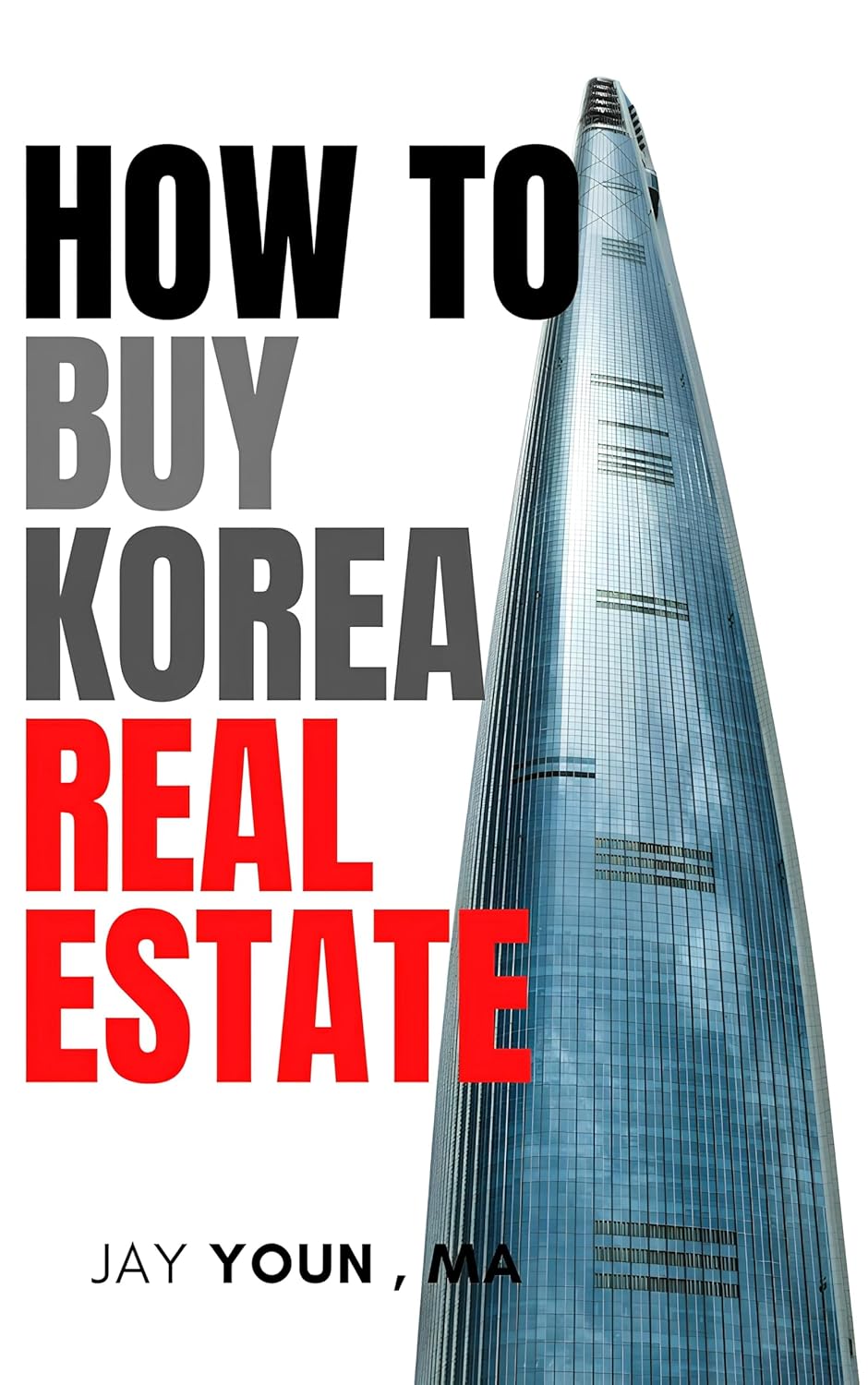
Unlocking Value: A Comprehensive Guide to South Korea Real Estate Investment Tips
South Korea, a nation synonymous with technological innovation, K-pop global dominance, and a robust economy, presents a dynamic and often rewarding landscape for real estate investors. From the gleaming skyscrapers of Seoul to the burgeoning tech hubs of Gyeonggi Province, the Korean property market offers a unique blend of opportunities and challenges. For foreign investors looking to diversify their portfolios or capitalize on the country’s economic prowess, understanding the intricacies of this market is paramount.
This comprehensive guide will delve into the essential tips, strategies, and considerations for navigating South Korea’s real estate investment landscape, helping you unlock its potential value.
1. Understanding the South Korean Real Estate Market Dynamics
Before diving into specific tips, it’s crucial to grasp the overarching characteristics of the Korean property market:
- High Urbanization & Concentration: A vast majority of the population resides in urban areas, particularly Seoul and its surrounding Gyeonggi Province. This leads to high demand and limited land supply in major cities.
- Government Intervention: The South Korean government frequently intervenes in the real estate market, primarily to curb speculative investments and stabilize housing prices, especially in Seoul. These policies can include tax hikes, loan restrictions, and supply-side measures, making the market highly sensitive to regulatory changes.
- Unique Rental System (Jeonse & Wolse): Unlike many Western countries, South Korea has a distinctive Jeonse system, where tenants pay a large lump-sum deposit (often 50-80% of the property value) instead of monthly rent. This system profoundly impacts investment strategies and cash flow.
- Rapid Development & Infrastructure: South Korea continually invests in advanced infrastructure, including high-speed rail, smart cities, and new economic zones, which can significantly boost property values in connected areas.
- Demographic Shifts: While urbanization continues, South Korea faces an aging population and declining birth rates. This trend influences demand for different property types (e.g., smaller units for single-person households, elderly care facilities) and might affect long-term appreciation in some regions.
2. Why Invest in South Korea Real Estate?
Despite its complexities, South Korea offers compelling reasons for real estate investment:
- Strong Economic Fundamentals: As the world’s 10th largest economy (by nominal GDP), South Korea boasts a stable and innovative economy driven by global powerhouses in technology, automotive, and shipbuilding.
- High Demand in Key Areas: Persistent demand for housing and commercial spaces in metropolitan areas, particularly Seoul, ensures a relatively liquid market for well-located properties.
- Excellent Infrastructure: World-class public transportation, digital infrastructure, and smart city initiatives enhance liveability and property value.
- Global Cultural Influence (Hallyu): The "Korean Wave" (K-pop, K-drama, K-culture) draws significant tourism and international interest, potentially boosting demand for hospitality and commercial properties.
- Potential for Appreciation: Historically, real estate in prime Korean locations has shown strong appreciation, though recent government measures aim to stabilize growth.
- Relatively Stable Legal System: The country operates under a transparent legal framework, providing a degree of security for property rights.
3. Key Challenges and Risks to Consider
No investment is without risk. For South Korea, these include:
- High Entry Costs: Property prices, especially in Seoul’s prime districts (e.g., Gangnam, Yongsan), are among the highest globally, requiring substantial capital.
- Regulatory Uncertainty: Frequent and sometimes abrupt changes in real estate policies can impact property values, taxes, and rental income.
- Interest Rate Fluctuations: Rising interest rates can increase mortgage burdens for buyers and affect the viability of Jeonse contracts for landlords.
- Demographic Headwinds: Long-term implications of an aging population and declining birth rates could temper demand growth in certain segments or regions outside major hubs.
- Currency Risk: For foreign investors, fluctuations in the Korean Won (KRW) against their home currency can impact returns.
- Liquidity Risk in Niche Markets: While apartments in Seoul are liquid, properties in less popular regions or highly specialized commercial assets might take longer to sell.
4. Identifying Promising Investment Areas
Strategic location selection is paramount:
- Seoul Metropolitan Area:
- Core Business Districts (Gangnam, Yongsan, Yeouido, Jamsil): Always in high demand for luxury residential and premium commercial properties, offering stable appreciation but with very high entry prices.
- Emerging & Gentrifying Areas (Seongsu-dong, Mapo-gu, Hongdae/Sinchon): These areas attract younger populations, creative industries, and offer a blend of residential and commercial opportunities, often with strong rental yields and potential for future appreciation as they develop.
- Transit-Oriented Developments (TODs): Properties near subway stations or major transportation hubs consistently command higher prices and rental demand due to convenience.
- Gyeonggi Province:
- Satellite Cities (Bundang, Pangyo, Gwacheon, Hanam, Incheon, Suwon): These cities offer a more affordable alternative to Seoul while still benefiting from strong economic ties to the capital. Pangyo, for instance, is a major IT and biotech hub, attracting high-income professionals. Incheon, with its international airport and Free Economic Zones, offers unique commercial and logistics opportunities.
- Other Major Cities:
- Busan: As South Korea’s second-largest city and a major port, Busan is a hub for tourism, trade, and logistics. Coastal properties, resort developments, and commercial real estate around Haeundae and Centum City can be attractive.
- Daejeon & Daegu: These cities are known for their R&D and manufacturing sectors, respectively. They offer more stable, albeit slower, growth compared to Seoul.
5. Understanding Property Types
Different property types cater to various investment goals:
- Apartments (아파트 – Apateu): The most common residential type, especially in urban areas. High demand, good liquidity, but also high prices. Look for "Brand Apartments" from reputable developers (e.g., Samsung Raemian, Hyundai Hillstate) as they often command a premium.
- Officetels (오피스텔 – Opiseutel): Hybrid residential/commercial units, popular among single professionals, students, and small businesses. They offer convenience, typically smaller sizes, and are often located near business districts or universities. They can offer good rental yields.
- Villas & Townhouses (빌라 – Villa, 연립주택 – Yeonripjutaek): Generally older, lower-rise residential buildings. More affordable than apartments but may have lower liquidity and appreciation potential, though some newer, high-end townhouses cater to a niche luxury market.
- Commercial Properties (상업용 부동산 – Sangup-yong Budongsan): Retail spaces, office buildings, and hotels. These require higher capital but can generate stable rental income. Consider areas with high foot traffic or growing business districts.
- Industrial & Logistics Properties (산업용 부동산 – Sanup-yong Budongsan): With the e-commerce boom, warehouses and logistics centers are increasingly attractive. Look at areas near major ports, airports, and highway networks.
- Land (토지 – Toji): High risk, high reward. Investing in land requires deep local knowledge, understanding of zoning laws, and a long-term perspective. Significant capital gains can be realized if an area undergoes re-zoning or major infrastructure development.
6. Navigating the Unique Rental System: Jeonse vs. Wolse
This is a critical aspect for residential investors:
- Jeonse (전세):
- How it works: The tenant pays a large lump-sum deposit (e.g., $300,000 for a $500,000 apartment) to the landlord, typically for a two-year contract. No monthly rent is paid. The landlord keeps the deposit for the contract duration and returns it in full at the end.
- Landlord’s Benefit: The landlord invests the Jeonse deposit (e.g., in a bank or other assets) and profits from the interest or returns. This can be a way to acquire properties with less upfront capital.
- Tenant’s Benefit: Tenants avoid monthly rent payments, effectively living rent-free, and receive their deposit back, making it a form of forced savings.
- Risks: For landlords, there’s the risk of not being able to return the deposit if their investments fail or if property prices drop and they can’t secure a new Jeonse tenant or sell the property for enough. For tenants, there’s a risk of the landlord defaulting or filing for bankruptcy (though government insurance schemes exist).
- Wolse (월세):
- How it works: This is the standard monthly rent system, where the tenant pays a smaller security deposit (e.g., 10-50 million KRW) and a monthly rent.
- Landlord’s Benefit: Provides stable, predictable monthly income.
- Tenant’s Benefit: Lower upfront cost compared to Jeonse.
- Considerations: Wolse yields in South Korea can sometimes be lower than in other countries due to the prevalence of Jeonse and relatively high property prices.
Investment Tip: For foreign investors seeking stable cash flow, Wolse properties are generally more straightforward. Jeonse properties can be complex due to the large deposit management and the risk of needing to return a significant sum at contract end. Some properties offer a "Ban-Jeonse" (반전세), a hybrid with a larger deposit than Wolse but still involving monthly rent.
7. Legal and Regulatory Framework for Foreigners
- Property Ownership: Foreigners generally face no major restrictions on owning real estate in South Korea. You can buy residential, commercial, and industrial properties, as well as land.
- Reporting Requirements: Under the Foreign Exchange Transaction Act, foreigners must report property acquisitions and dispositions to a foreign exchange bank or the local district office. This is crucial for legal ownership and future repatriation of funds.
- Visa Status: While you don’t need to be a permanent resident to buy property, having a long-term visa (e.g., D-8 for investment, F-5 for permanent residency) can simplify processes like opening bank accounts and securing financing.
- Taxes:
- Acquisition Tax (취득세): Paid upon purchase, typically 1-4% of the property value, plus surtaxes.
- Registration Tax (등록면허세): A smaller tax for registering ownership.
- Holding Tax (재산세, 종합부동산세): Annual property tax (재산세) is paid by all owners. If you own multiple properties or high-value properties, you might be subject to the Comprehensive Real Estate Tax (종합부동산세), which is designed to curb speculation.
- Capital Gains Tax (양도소득세): Imposed on profits from selling property. Rates can be high, especially for short-term holdings or multiple properties, due to government anti-speculation policies.
- Inheritance & Gift Tax: South Korea has high inheritance and gift taxes, which should be considered for long-term estate planning.
- Legal Counsel: Engaging a reputable Korean real estate lawyer is essential to navigate contracts, verify titles, understand zoning, and ensure compliance with all regulations.
8. Due Diligence: Your Essential Steps
Thorough due diligence is non-negotiable:
- Market Research: Analyze local market trends, comparable sales (실거래가 – Silgeoraega), rental yields, vacancy rates, and future development plans for your target area.
- Professional Advice:
- Licensed Real Estate Agent (공인중개사 – Gongin Junggaesa): Essential for finding properties, negotiating, and handling paperwork. Ensure they are licensed and have good local knowledge.
- Legal Counsel: As mentioned, a lawyer is crucial for contracts and legal compliance.
- Accountant/Tax Advisor: To understand and plan for tax implications.
- Property Inspection: Conduct a thorough physical inspection of the property to identify any structural issues, maintenance needs, or potential liabilities.
- Verify Documents: Scrutinize the property’s title deed (등기부등본 – Deungibu Deungbon), building register (건축물대장 – Geonchumul Daejang), and zoning information (토지이용계획확인서 – Toji Iyong Gyehoek Hwak-inseo).
- Understand Zoning & Regulations: Be aware of local zoning laws, building codes, and any restrictions on renovation or development.
- Review Contracts Carefully: All contracts (purchase, rental) should be meticulously reviewed by your legal counsel.
9. Financial Considerations & Funding
- Financing:
- Local Banks: Obtaining mortgages from Korean banks can be challenging for non-residents or those without stable income in Korea. Requirements often include a long-term visa, proof of income, and a significant down payment.
- International Banks: Some international banks with a presence in South Korea might offer financing options for foreigners, but terms can vary.
- Loan-to-Value (LTV) Ratios: Government regulations often impose strict LTV ratios, especially for residential properties in designated "speculative" zones, meaning you’ll need a larger down payment.
- Transaction Costs: Beyond the property price, factor in acquisition taxes, registration fees, legal fees, agent commissions (typically 0.4-0.9% of transaction value), and potential renovation costs.
- Repatriation of Funds: Plan how you will repatriate rental income or sale proceeds. This typically involves using a foreign exchange bank and adhering to reporting requirements.
10. Long-Term Outlook & Future Trends
- Urban Regeneration: Expect continued investment in urban regeneration projects, revitalizing older districts and creating new value.
- Smart Cities & Technology Integration: South Korea is at the forefront of smart city development. Properties in these integrated environments may see increased demand and value.
- Demographic Impact: The aging population and rise of single-person households will continue to drive demand for smaller, more efficient living spaces and potentially specialized housing for seniors.
- Sustainability: Growing emphasis on green buildings and sustainable development will likely influence property values and regulations.
- Government Policy: Government policy will remain a significant determinant of market direction. Staying informed about proposed and enacted regulations is crucial.
Conclusion
South Korea’s real estate market offers a compelling proposition for astute investors. Its strong economy, advanced infrastructure, and unique cultural appeal create a vibrant environment for property ownership. However, the market’s high entry costs, frequent government interventions, and distinctive rental systems demand a cautious, informed, and strategic approach.
By conducting thorough due diligence, understanding the legal and tax frameworks, strategically selecting locations and property types, and leveraging professional advice, foreign investors can successfully navigate this dynamic landscape. While challenges exist, the potential for long-term appreciation and stable returns in key areas makes South Korea a market worth serious consideration for those ready to unlock its value. Always remember to consult with local experts – lawyers, real estate agents, and tax advisors – before making any investment decisions.