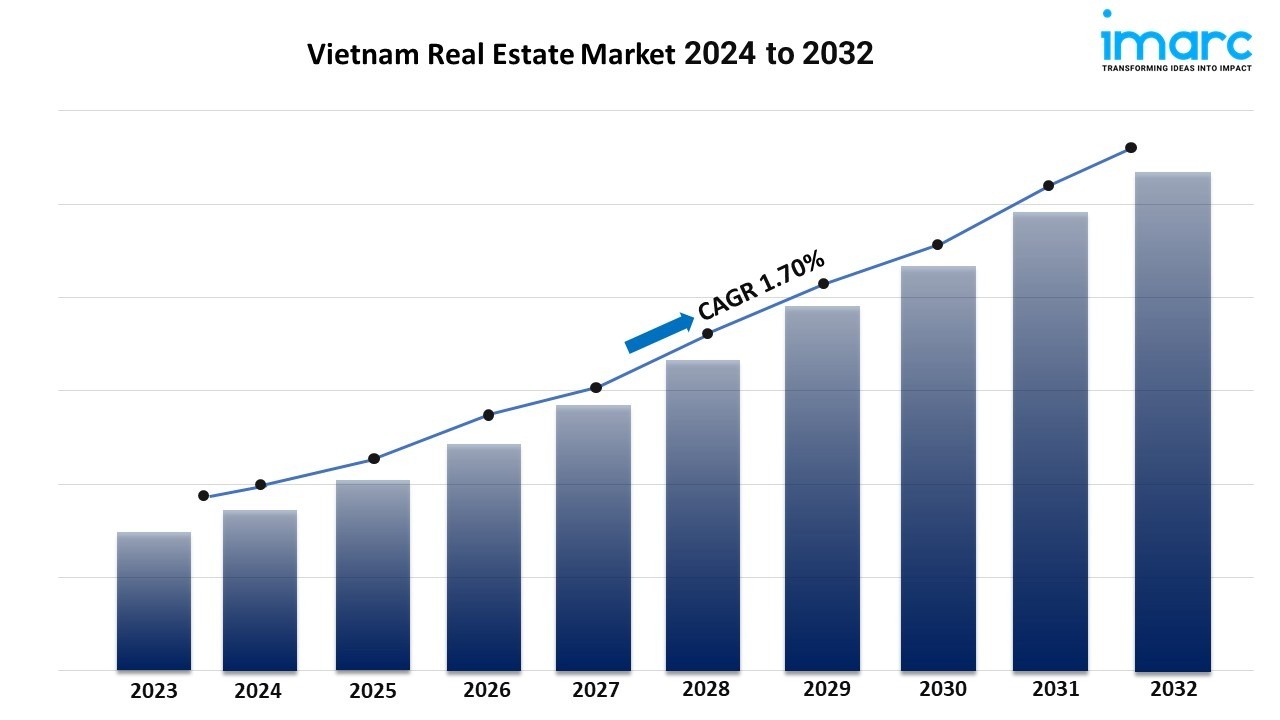
Vietnam Real Estate Investment 2026: Navigating a Landscape of Dynamic Growth and Emerging Opportunities
Vietnam, a nation that has consistently defied expectations, stands on the cusp of a new era of economic prosperity. Its real estate market, a vibrant reflection of this upward trajectory, is increasingly drawing the attention of global investors. As we look towards 2026, the confluence of robust economic fundamentals, ambitious infrastructure development, a burgeoning middle class, and strategic government policies positions Vietnam as a compelling destination for property investment. This article delves into the intricate dynamics of Vietnam’s real estate market, exploring the key drivers, emerging opportunities across various segments, critical considerations for investors, and potential challenges that will shape the landscape in 2026.
I. Vietnam’s Economic Trajectory: A Foundation for Real Estate Growth
The narrative of Vietnam’s economic ascent is nothing short of remarkable. From a war-torn nation, it has transformed into one of Southeast Asia’s fastest-growing economies, often dubbed a "rising Asian tiger." This transformation is not accidental but a result of consistent market-oriented reforms, a strategic embrace of globalization, and an industrious workforce.
By 2026, Vietnam’s GDP is projected to continue its robust growth trajectory, driven by strong domestic consumption, booming exports, and significant foreign direct investment (FDI). The "golden population" structure, with a large proportion of young, working-age individuals, fuels both labor supply and consumer demand. Urbanization rates are accelerating, with major cities like Ho Chi Minh City, Hanoi, and Da Nang expanding rapidly, creating immense demand for housing, commercial spaces, and infrastructure.
Furthermore, the expansion of the middle class is a critical demographic shift. As incomes rise, so does the aspiration for better living standards, leading to increased demand for quality residential properties, modern retail experiences, and leisure facilities. This upward mobility creates a powerful endogenous demand for real estate, cushioning the market against external shocks and providing a stable base for long-term growth.
The Vietnamese government’s proactive stance in attracting FDI, evidenced by its participation in numerous free trade agreements (FTAs) and continuous efforts to improve the business environment, has been a cornerstone of its economic success. Major multinational corporations are increasingly diversifying their supply chains, with Vietnam emerging as a preferred "China Plus One" destination. This influx of manufacturing and technology companies not only creates jobs but also necessitates significant investment in industrial parks, logistics facilities, and housing for expatriate and local workers, directly fueling real estate demand.
II. Key Drivers Shaping the 2026 Real Estate Landscape
Several overarching trends and government initiatives will profoundly influence Vietnam’s real estate market by 2026:
-
Infrastructure Boom: The government’s ambitious infrastructure development plan is a game-changer. Key projects like the Long Thanh International Airport, the North-South Expressway, and various metro lines in Ho Chi Minh City and Hanoi are progressing rapidly.
- Long Thanh International Airport: Poised to become a major regional aviation hub, this mega-project will significantly enhance connectivity, boost tourism, and stimulate economic growth in Dong Nai province and the wider Southern Economic Zone, driving demand for hospitality, logistics, and residential properties in its vicinity.
- Expressways and Ports: Improved road networks and port expansions (e.g., Cai Mep-Thi Vai) will reduce logistics costs, enhance trade efficiency, and unlock the development potential of previously underserved areas, particularly for industrial and logistics real estate.
- Urban Metro Systems: The completion of metro lines in major cities will transform urban mobility, reduce congestion, and create new development corridors, significantly increasing property values along these routes.
-
Manufacturing and Supply Chain Relocation: The ongoing global trend of supply chain diversification, accelerated by geopolitical tensions and the desire for resilience, continues to position Vietnam as a prime manufacturing hub. This directly translates to soaring demand for:
- Industrial Parks: Modern, ready-built factories and warehouses in well-connected industrial zones are highly sought after by foreign investors.
- Logistics Facilities: The boom in e-commerce and manufacturing necessitates state-of-the-art logistics centers, cold storage, and distribution hubs.
-
Tourism Resurgence and Development: Post-pandemic, Vietnam’s tourism sector has rebounded strongly, with the government actively promoting sustainable tourism and developing new attractions. By 2026, this will drive demand for:
- Hospitality Properties: Luxury resorts, boutique hotels, and integrated entertainment complexes in popular destinations like Phu Quoc, Da Nang, Hoi An, and Nha Trang, as well as emerging eco-tourism sites.
- Serviced Apartments and Vacation Homes: Catering to both domestic and international tourists seeking longer stays or unique experiences.
-
Urbanization and Smart City Initiatives: Vietnam’s urban centers are experiencing rapid population growth, necessitating smart planning and sustainable development. Cities are increasingly adopting smart city technologies, which will influence property development by:
- Integrated Developments: Mixed-use projects that combine residential, commercial, and retail spaces with smart infrastructure, green spaces, and advanced connectivity.
- Focus on Sustainability: Green buildings, energy-efficient designs, and environmentally friendly materials are becoming increasingly important, driven by both consumer preference and government incentives.
-
Digital Transformation and E-commerce: The burgeoning digital economy and rapid adoption of e-commerce platforms are reshaping retail and logistics real estate. The demand for data centers, last-mile delivery hubs, and modern retail spaces that offer experiential shopping is on the rise.
III. Emerging Opportunities Across Property Segments
By 2026, various property segments in Vietnam will present distinct investment opportunities:
-
Residential Real Estate:
- Affordable and Mid-Market Housing: With a growing middle class and young population, demand for well-located, affordable, and mid-range apartments remains robust, especially in the peripheries of major cities and in developing secondary cities.
- Luxury and Branded Residences: For high-net-worth individuals and expatriates, the luxury segment (condominiums, villas, serviced apartments) continues to attract investment, particularly in prime districts of HCMC and Hanoi, and coastal resort towns. Branded residences, often linked to international hotel chains, offer premium amenities and management.
- Secondary Cities: Cities like Hai Phong, Can Tho, Binh Duong, and Dong Nai are witnessing significant economic growth due to industrialization and infrastructure development. Their residential markets offer higher growth potential and more attractive entry prices compared to the saturated tier-1 cities.
-
Industrial and Logistics Real Estate:
- This segment is arguably the most dynamic. The "China Plus One" strategy, combined with Vietnam’s participation in FTAs, makes it a magnet for manufacturing relocation.
- Ready-Built Factories (RBFs) and Warehouses: Developers offering modern, flexible RBFs and logistics warehouses with good connectivity are well-positioned.
- Specialized Logistics: Demand for cold storage, e-commerce fulfillment centers, and data centers is surging, driven by the growth of food retail, pharmaceuticals, and digital services.
- Industrial Parks: Investment in new or expansion of existing industrial parks, especially those with good infrastructure and environmental compliance, will remain highly attractive.
-
Commercial Real Estate (Office & Retail):
- Grade A Office Space: Despite global economic uncertainties, demand for premium Grade A office space in central business districts (CBDs) of HCMC and Hanoi remains strong, driven by multinational corporations and growing local businesses. Co-working spaces are also gaining traction.
- Retail Space: Modern retail malls and mixed-use developments that integrate retail with entertainment, F&B, and lifestyle components will thrive, catering to the evolving consumer preferences of the young and affluent population. Experiential retail is key.
- E-commerce Impact: While e-commerce reduces the need for traditional brick-and-mortar stores, it also drives demand for smaller, strategically located showrooms and pickup points, alongside massive logistics hubs.
-
Hospitality and Tourism:
- Luxury Resorts and Hotels: Vietnam’s stunning coastline, cultural heritage, and natural beauty make it an attractive destination for high-end tourism. Investment in luxury resorts, boutique hotels, and eco-lodges in established and emerging tourist hotspots offers significant returns.
- Integrated Resorts: Projects combining hotels, casinos, entertainment, and convention facilities are being developed to attract a wider range of tourists, including MICE (Meetings, Incentives, Conferences, Exhibitions) travelers.
-
Niche Markets:
- Healthcare and Education: With an aging population and increasing affluence, demand for modern healthcare facilities (hospitals, clinics) and international schools is growing, presenting opportunities for specialized real estate development.
- Data Centers: The rapid digitalization of Vietnam’s economy and the expansion of cloud services are creating a strong need for robust, secure, and scalable data center infrastructure.
IV. Navigating the Investment Landscape: Critical Considerations for 2026
While the opportunities are compelling, investors must approach Vietnam’s real estate market with a strategic and informed perspective:
-
Regulatory Environment: Vietnam’s legal framework for foreign property ownership has become more open but remains complex and subject to change. Investors need to understand land-use rights, ownership limits (e.g., caps on foreign ownership in residential projects), and the process for obtaining necessary licenses and permits. Engaging local legal counsel is paramount.
-
Market Dynamics and Due Diligence: The market can be dynamic, with localized supply-demand imbalances and price fluctuations. Thorough due diligence is essential, including feasibility studies, market analysis, and assessment of project viability. Understanding local cultural nuances and business practices is also crucial.
-
Financing and Capital Markets: Access to financing, both local and international, will play a significant role. While Vietnamese banks are increasingly sophisticated, international funds and private equity firms are active in the market, offering various financing options.
-
Local Partnerships: For foreign investors, collaborating with reputable local developers or partners can mitigate risks, navigate bureaucratic processes more efficiently, and leverage local expertise and networks.
-
Sustainability and ESG Factors: Environmental, Social, and Governance (ESG) considerations are gaining prominence. Investors are increasingly evaluating projects based on their environmental impact, social responsibility, and corporate governance practices. Green building certifications and sustainable development practices will enhance project value and appeal.
-
Infrastructure Connectivity: While infrastructure development is a major driver, investors must carefully assess the actual connectivity of a specific location to major transport hubs, utilities, and population centers. Proximity to planned infrastructure will drive future appreciation.
V. Challenges and Risks
Despite its bright prospects, Vietnam’s real estate market in 2026 is not without its challenges:
-
Global Economic Headwinds: As an export-oriented economy, Vietnam is susceptible to global economic slowdowns, inflation, and interest rate hikes in major economies, which could impact FDI, consumer spending, and overall market sentiment.
-
Regulatory Inconsistencies and Bureaucracy: While improvements are being made, navigating the administrative processes can still be time-consuming and sometimes inconsistent, requiring patience and expert guidance.
-
Market Overheating and Speculation: Periods of rapid growth can lead to speculation and asset bubbles in certain segments or locations. Investors must exercise caution and conduct thorough valuations to avoid overpaying.
-
Environmental Concerns: Rapid urbanization and industrialization bring environmental challenges. Developers must adhere to increasingly stringent environmental regulations and consider the long-term sustainability of their projects.
-
Land Compensation and Clearance: Acquiring and clearing land for large-scale developments can be complex and fraught with social issues related to compensation for existing occupants, requiring sensitive and legally compliant approaches.
Conclusion
Vietnam’s real estate market in 2026 presents a compelling narrative of growth, driven by a robust economy, strategic infrastructure investments, a dynamic demographic profile, and an increasingly favorable business environment. From the burgeoning residential sector to the red-hot industrial and logistics segment, and the rebounding hospitality market, opportunities abound across various property types.
However, success in this vibrant market hinges on a nuanced understanding of its intricacies. Investors must adopt a long-term perspective, commit to rigorous due diligence, navigate the evolving regulatory landscape with expert guidance, and consider local partnerships to mitigate risks. By strategically aligning with Vietnam’s development trajectory and embracing sustainable practices, investors can unlock significant value and contribute to the continued economic transformation of this exciting Southeast Asian nation. The journey towards 2026 promises a dynamic and rewarding landscape for those prepared to invest wisely and patiently in Vietnam’s promising real estate future.